Nepal floods: Chinese national rescued alive from hydropower tunnel on Day 10
Source Entity
KARAN MANRAL
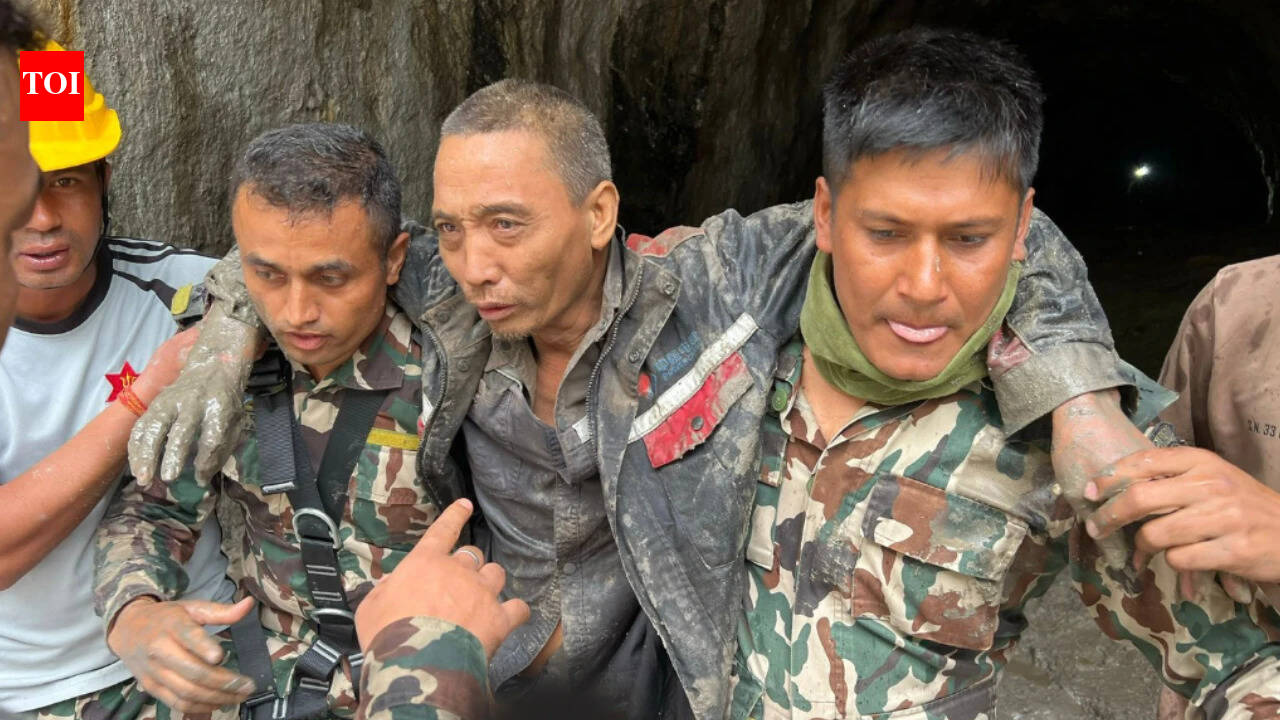
Rescuers in Nepal are engaged in a desperate search for survivors trapped in tunnels following devastating glacial floods that have claimed over 1,250 lives. While some missing tourists have made contact, thousands remain unaccounted for as recovery efforts continue under harrowing conditions.
The Himalayan Tragedy: A Crisis of Unprecedented Scale
Eight days after a catastrophic glacial collapse in the Himalayas triggered massive flash floods along the Nepal-Tibet border, the humanitarian situation remains dire. The disaster, which sent torrents of water and debris crashing through villages and infrastructure, has resulted in a staggering death toll of at least 1,252 people. With over 4,200 individuals still missing, the event ranks among the most severe natural disasters to strike the region in recent memory, leaving a trail of destruction along the Trishuli River.
The Struggle for Survival in Subterranean Spaces
One of the most harrowing aspects of this crisis is the plight of approximately 900 people feared trapped within six different hydropower plants. These tunnels, intended to harness the power of the mountain rivers, have become potential death traps filled with mud and silt. Recent footage showing the rescue of two workers from a tunnel offers a rare, fleeting moment of hope, demonstrating that despite the overwhelming odds, survival is possible even after more than a week of isolation.
The Plight of Foreign Nationals and Pilgrims
As search operations continue, the international community is closely monitoring the status of hundreds of foreign nationals who remain unaccounted for. Among those reported missing are Indian nationals and individuals of Indian origin, many of whom were pilgrims traveling toward the sacred Kailash Mansarovar region. The disappearance of these travelers has turned the tragedy into a transnational crisis, complicating search efforts and placing immense pressure on local authorities to coordinate with international agencies.
Psychological and Social Impact
In Kathmandu, the human cost of the disaster is physically manifested in the 'wall of the missing,' where desperate families gather, clinging to the hope that their loved ones might be found. The reality of the situation, however, has forced some families to begin holding symbolic funerals, a somber acknowledgment of the high probability that many of the missing will never be recovered. The psychological toll on the survivors and the families of the missing is immense, as the landscape itself—once home to thriving villages—has been reduced to nothing but mud and silt.
Environmental Context and Future Implications
The root cause of this catastrophe—a glacial collapse—highlights the increasing volatility of the Himalayan ecosystem. As climate patterns shift, the stability of high-altitude glacial lakes becomes a critical concern for regional safety. The destruction of infrastructure, particularly hydropower plants, underscores the vulnerability of development projects in geologically sensitive areas. Moving forward, the region will face the dual challenge of recovery and a comprehensive re-evaluation of how to manage the risks associated with rapid environmental changes in high-altitude zones.
Conclusion
While the rescue of survivors provides a necessary glimmer of hope, the scale of this disaster is monumental. The ongoing search efforts along the Trishuli River and within the damaged hydropower tunnels remain the primary focus, yet the broader recovery will require sustained international attention and support. As the region begins the long process of mourning and rebuilding, the lessons learned from this tragedy will undoubtedly shape future disaster management and infrastructure safety protocols throughout the Himalayan belt.
Multiple Citing Sources