China rare earth firms halt some US shipments over geopolitical worries, sources say
Source Entity
Yahoo Finance
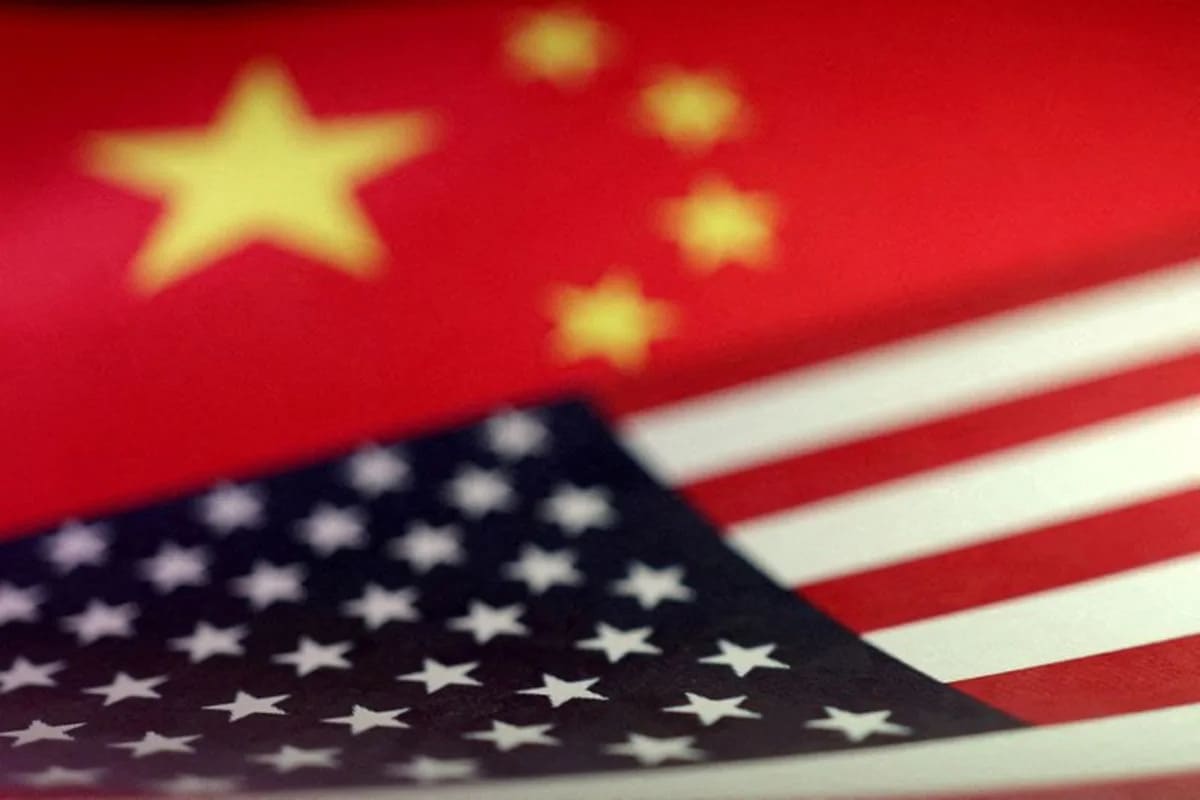
Chinese rare earth suppliers are restricting shipments to the U.S. due to geopolitical tensions and fears of Beijing's repercussions. This supply chain bottleneck has become a critical agenda item ahead of President Xi Jinping's upcoming visit to Washington.
The Strategic Squeeze: Rare Earth Supply Chain Tensions
Recent reports indicate that Chinese rare earth suppliers have begun declining shipments to U.S. companies, a move driven by deep-seated anxiety over potential repercussions from Beijing. This development, occurring just weeks before President Xi Jinping’s scheduled visit to Washington on September 24, highlights the fragile nature of the global supply chain for critical minerals. By restricting access to these essential materials, these suppliers are effectively navigating a complex geopolitical landscape where commercial interests are increasingly subservient to state-level diplomatic friction.
The Impact of Regulatory Uncertainty
Since early August, a segment of Chinese suppliers has actively refused to fulfill orders for U.S.-based firms. This disruption is not merely a logistical hurdle; it is a direct consequence of the regulatory environment in China, where firms fear that engaging in trade with the U.S. could invite scrutiny or punishment. The lack of clarity regarding export licenses has left American companies in a state of limbo, unable to secure the rare earths required for high-tech manufacturing, defense systems, and green energy technologies.
Diplomatic Pressure and Prior Commitments
Despite ongoing diplomatic efforts, the issue remains unresolved. U.S. officials have consistently urged their Chinese counterparts to uphold commitments made during previous discussions in Busan and Beijing. These agreements were intended to guarantee the smooth flow of export licenses, yet the persistent refusal of suppliers to ship materials suggests a significant gap between high-level diplomatic promises and on-the-ground execution. This failure to normalize trade flows has elevated the matter to a top-tier priority for U.S. planners.
Historical Context of Resource Nationalism
Rare earth elements are the bedrock of the modern industrial economy, essential for everything from electric vehicle motors to advanced weaponry. China’s dominance in the processing of these minerals has historically provided it with significant leverage. By utilizing export restrictions as a tool of statecraft, Beijing can exert pressure on the U.S. without resorting to traditional trade tariffs. This current situation reflects a broader trend of resource nationalism, where nations leverage their control over critical supply chains to achieve strategic objectives.
Future Implications and Strategic Outlook
As the September 24 visit approaches, the rare earth dispute will likely serve as a litmus test for the future of U.S.-China economic relations. If the supply chain remains constricted, it may force the United States to accelerate its "de-risking" strategy, which involves diversifying supply sources and investing in domestic processing capabilities. For now, however, the uncertainty surrounding these shipments underscores the precarious reliance of U.S. industry on Chinese-controlled materials, a vulnerability that will continue to shape bilateral negotiations for the foreseeable future.