Seatbelt sign off, pilot tests positive for drugs: What AI flight probe found
Source Entity
VIJAYA SRIVASTAVA
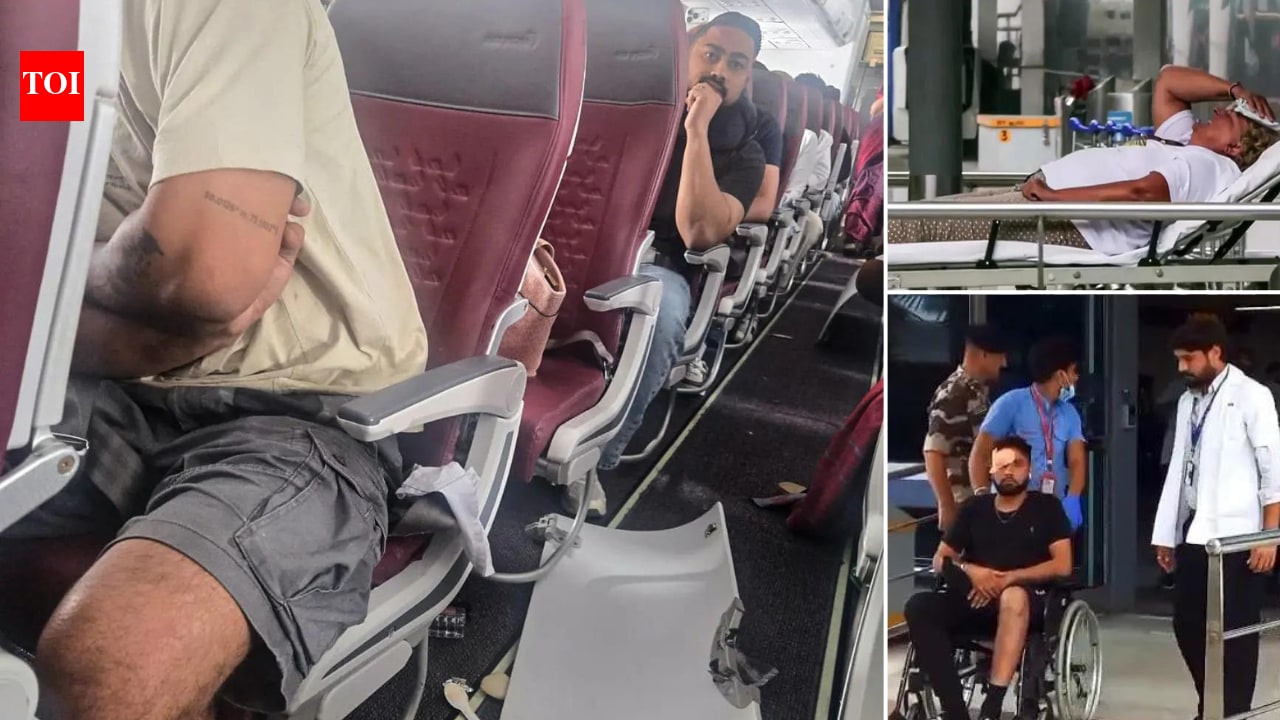
An Air India A320 flight experienced a sudden triple hydraulic failure over Odisha, causing a 300-foot altitude drop and injuries to 24 people. The investigation is now scrutinizing both the mechanical failure and the pilot-in-command, who tested non-negative for psychoactive substances.
Investigation into Air India Phuket-Delhi Flight Incident
On August 4, an Air India Airbus A320neo (VT-EXO) operating a flight from Phuket to Delhi encountered a severe in-flight emergency while cruising at 36,000 feet. According to the preliminary report from the Aircraft Accident Investigation Bureau (AAIB), the aircraft experienced a simultaneous, rapid loss of pressure across all three hydraulic systems—green, blue, and yellow—while navigating through the Kolkata Flight Information Region. This catastrophic mechanical failure occurred within a five-second window, leading to an immediate autopilot disengagement and a sudden altitude drop of approximately 300 feet.
The Human Factor: Psychoactive Substance Concerns
Compounding the gravity of the mechanical failure, the post-flight investigation revealed a deeply concerning development regarding the pilot-in-command. While standard breath analyzer tests for alcohol were satisfactory, a subsequent test for psychoactive substances returned a non-negative result. This finding has prompted the AAIB to issue a formal recommendation to the Directorate General of Civil Aviation (DGCA) to implement rigorous measures to prevent the abuse of such substances among flight crews, highlighting a potential lapse in safety oversight that transcends mere mechanical malfunction.
Impact on Passengers and Crew
The sudden loss of altitude and the resulting turbulence caused significant distress to the 145 individuals on board. Twenty passengers and four cabin crew members sustained injuries during the brief, violent event. Reports indicate that the seatbelt sign was off at the time of the incident, which likely contributed to the severity of the injuries. Despite the considerable cabin damage and the loss of hydraulic control, the crew made the decision to continue the flight to Delhi, a move that is currently under intense scrutiny by investigators.
Technical Implications of Triple Hydraulic Failure
In modern aircraft like the A320neo, hydraulic systems are the lifeblood of flight control surfaces. The loss of all three systems—green, blue, and yellow—represents an extreme scenario that severely limits the pilot's ability to maneuver the aircraft effectively. The AAIB is currently conducting a deep-dive forensic analysis to determine how such a comprehensive failure could occur within a five-second window on an eight-year-old aircraft. This mechanical aspect of the investigation is critical for the global aviation community, as it may necessitate a review of maintenance protocols for similar Airbus models.
Regulatory Response and Future Trends
This incident has spotlighted the need for more stringent pilot health monitoring and emergency response protocols. The DGCA is now tasked with evaluating the AAIB’s recommendations regarding psychoactive substance testing, which may lead to more frequent or randomized drug screening for pilots across Indian carriers. As the investigation progresses, the focus remains on whether the pilot's state, combined with the mechanical failure, significantly compromised the safety of the flight. The final report is expected to provide definitive answers on the causal link between these two major findings and will likely shape future aviation safety regulations in India.