Amid noise pollution concerns, loudspeakers allowed till midnight on 5 days during Ganeshotsav in Pune
Source Entity
Latest News: Todays Latest News Headlines from India & World | Hindustan Times | Hindustan Times
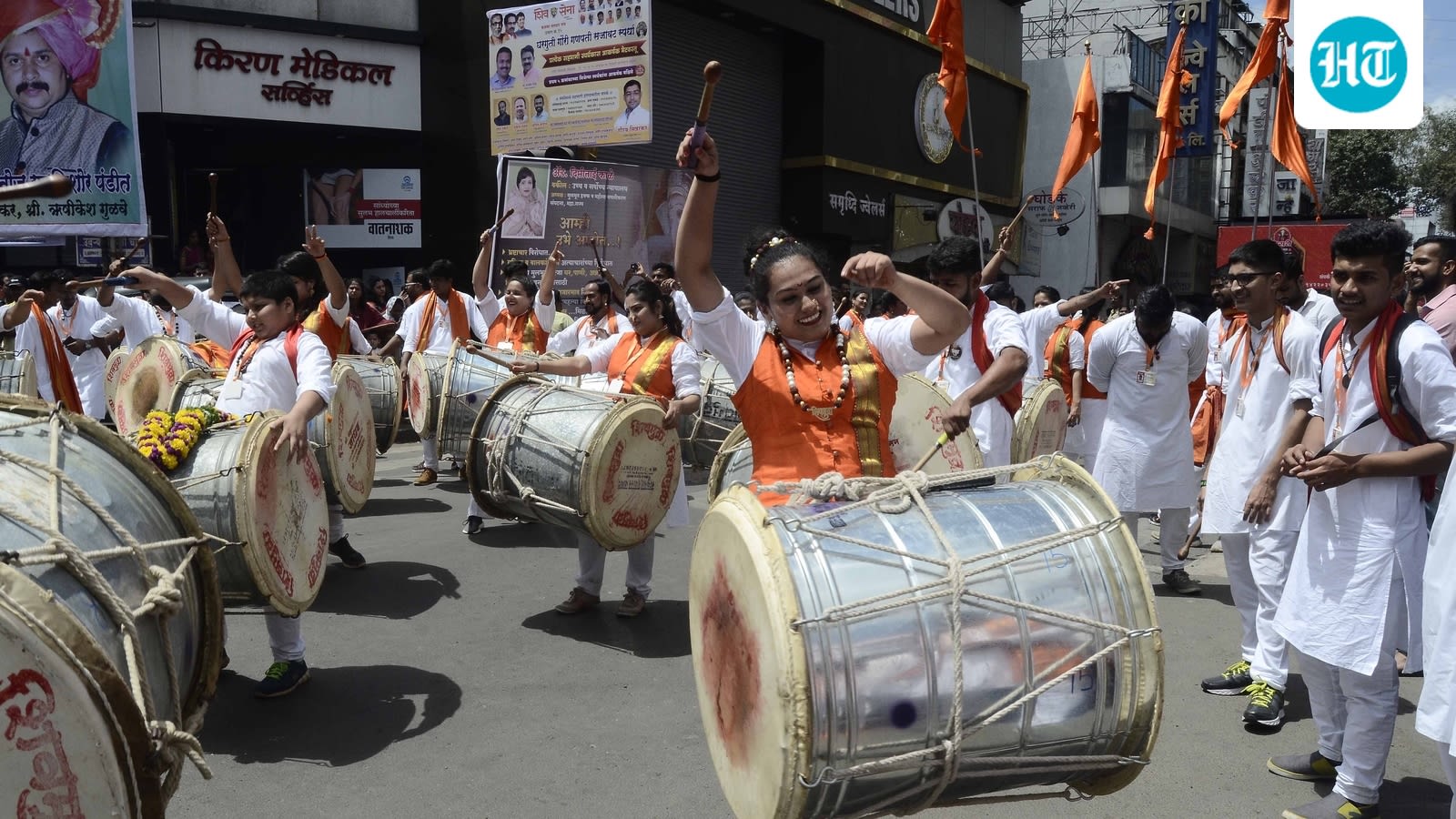
Pune police have granted a limited relaxation for loudspeaker usage until midnight on five specific days during Ganeshotsav. This decision balances cultural festivities with noise pollution regulations, capping speaker setups at four bass and four top units.
Balancing Tradition and Regulation: Pune's Ganeshotsav Loudspeaker Policy
The Ganeshotsav festival holds immense cultural and religious significance in Pune, often characterized by vibrant processions and large-scale public gatherings. As the city prepares for this year’s celebrations, the Pune police, under Commissioner Amitesh Kumar, have announced a strategic compromise regarding noise regulation. By permitting the use of loudspeakers until midnight on September 19, 20, 22, 23, and 25, authorities are attempting to accommodate the traditional fervor of the festival while maintaining a framework of civic order.
Addressing the Noise Pollution Debate
This policy shift arrives against a backdrop of intensifying public discourse regarding noise pollution in urban environments. For years, activists and residents have raised concerns about the health impacts of high-decibel sound systems, which can disrupt sleep patterns and pose risks to vulnerable populations. The police decision to enforce a 10 PM cutoff on all other days of the festival reflects a concerted effort to mitigate these concerns, ensuring that the community-wide celebrations do not result in prolonged environmental strain.
Technical Constraints on Sound Systems
Beyond temporal restrictions, the authorities have introduced structural limitations on the equipment permitted during these public celebrations. By capping the setup at four bass speakers and four top speakers, the administration is targeting the use of extreme, high-powered sound systems that have previously contributed to excessive noise levels. This technical regulation serves as a safeguard, preventing the uncontrolled escalation of sound amplification that often accompanies large processions.
The Role of Ganesh Mandals
The tension between festival organizers, known as Ganesh mandals, and the local administration remains a defining feature of the event. While mandals advocate for the freedom to celebrate with traditional intensity, the police must act as mediators, weighing cultural expression against the Noise Pollution (Regulation and Control) Rules. This year’s decision suggests a middle path, providing specific windows for extended celebration while requiring organizers to adhere to standardized equipment limits.
Future Implications for Urban Festivities
This regulatory approach in Pune sets a precedent for how metropolitan areas might manage large-scale cultural events in the future. As cities become increasingly dense, the ability to balance public sentiment with public health standards becomes paramount. The reliance on specific, pre-approved dates for noise relaxations may serve as a template for other Indian cities, signaling a transition toward more structured and predictable festival management protocols.
Conclusion
The Pune police’s recent announcement serves as a measured response to a complex social challenge. By codifying both time-based constraints and hardware limitations, the administration seeks to preserve the spirit of Ganeshotsav while minimizing the negative externalities associated with noise pollution. Ultimately, the success of these measures will depend on the compliance of local mandals and the continued oversight of law enforcement to ensure a harmonious environment for all citizens.
Verification Required?