Air pollution may be quietly damaging your kidneys, even if you’re young, study warns
Source Entity
Anonna Dutt
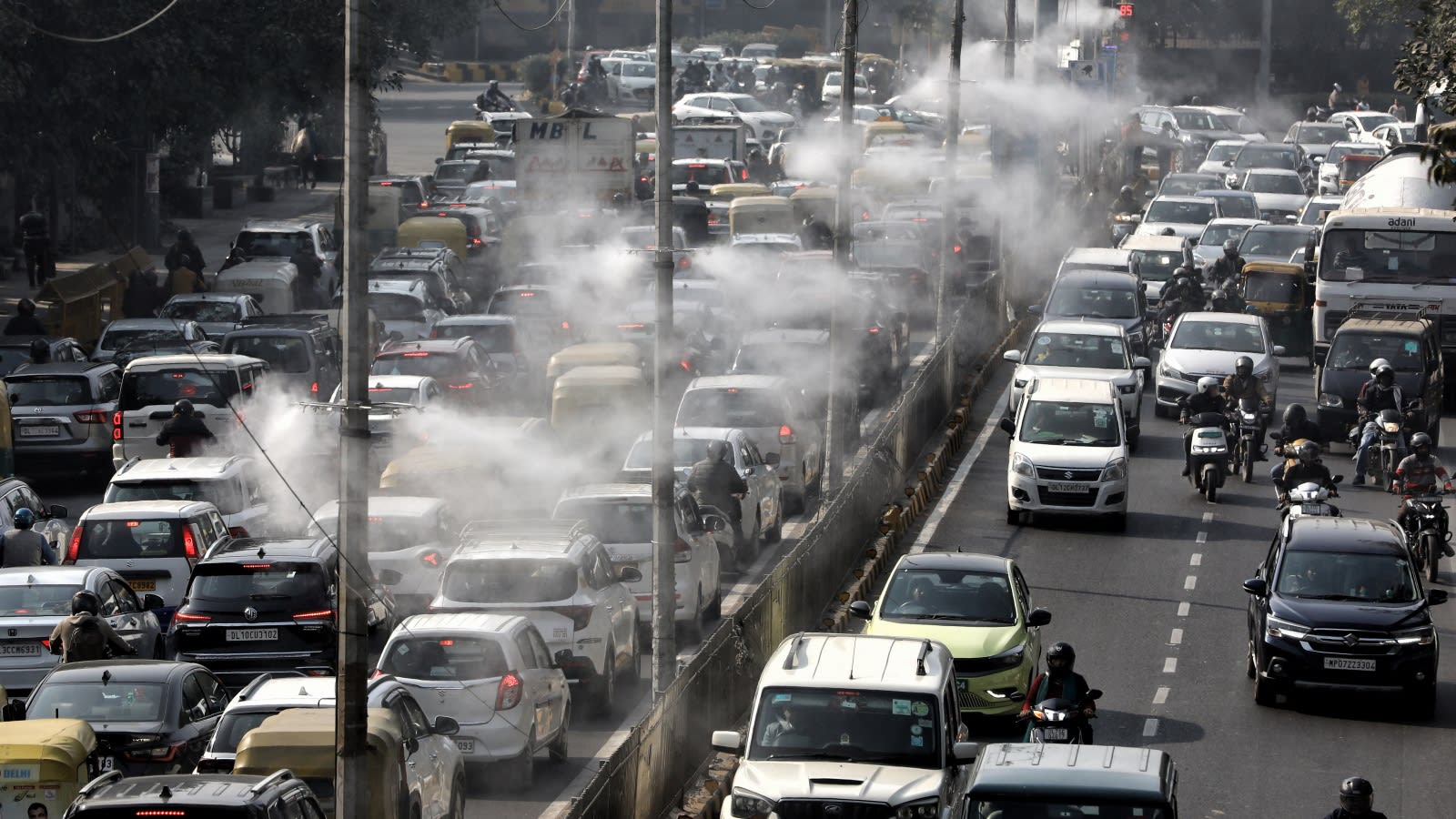
A study of over 12,000 people published in Kidney International Reports links PM2.5 air pollution to reduced kidney filtration efficiency. The research indicates that pollution damages kidneys independently of other risk factors like diabetes and hypertension.
The Invisible Threat: Air Pollution's Impact on Renal Health
For decades, the primary health concerns associated with air pollution have centered on the respiratory and cardiovascular systems. However, emerging research is revealing a more systemic and insidious threat. Recent findings published in the journal Kidney International Reports suggest that high levels of air pollution—specifically fine particulate matter known as PM2.5—may be quietly damaging the kidneys, potentially affecting individuals even at a young age. This shift in understanding highlights that the toxins we breathe do not remain confined to the lungs but enter the bloodstream, impacting vital organs far removed from the point of entry.
Longitudinal Evidence and Study Scale
The strength of these findings lies in the scale and duration of the research. The study followed a substantial cohort of over 12,000 participants over a period spanning six to ten years. This longitudinal approach allows researchers to observe the gradual decline of organ function rather than providing a mere snapshot in time. The primary metric of concern was the filtration efficiency of the kidneys, which is the organ's ability to remove waste and excess fluid from the blood. The data indicates a clear correlation: as exposure to PM2.5 increases, the efficiency of this filtration process decreases, suggesting a progressive degradation of renal health tied to environmental quality.
The Role of PM2.5 and Systemic Inflammation
PM2.5 refers to atmospheric particulate matter with a diameter of less than 2.5 micrometers. Due to their microscopic size, these particles can penetrate deep into the lung tissue and cross into the circulatory system. Once in the blood, they can trigger systemic inflammation and oxidative stress. In the context of the kidneys, this can lead to damage in the glomeruli—the tiny filters of the kidney. The research underscores that the kidneys are particularly vulnerable to these pollutants, as they are responsible for filtering the very blood that carries these airborne toxins throughout the body.
Interconnected Comorbidities: Hypertension and Diabetes
According to Dr. Mohan, this research is part of a broader series of studies examining how air pollution contributes to various chronic diseases. The analysis reveals a dangerous synergy between pollution and metabolic disorders. Specifically, higher levels of air pollution are associated with an increased risk of:
- Hypertension: High blood pressure that puts mechanical strain on kidney vessels.
- Diabetes: A leading cause of kidney failure that may be exacerbated by pollutants.
- Dyslipidemia: Elevated levels of blood fats, such as cholesterol and triglycerides, which can further impair vascular health.
Dr. Mohan suggests that these conditions may serve as the primary pathways through which air pollution facilitates kidney damage, creating a vicious cycle of deteriorating health.
Independent Damage: Beyond Existing Risk Factors
One of the most critical revelations of the study is that the decline in kidney filtration efficiency was evident even when the researchers controlled for existing risk factors. This means that the damage caused by PM2.5 is not merely a byproduct of pollution causing diabetes or hypertension, which then damages the kidneys. Instead, there is evidence of a direct, independent toxic effect of air pollution on renal tissues. This finding is particularly alarming because it suggests that even "healthy" individuals without pre-existing metabolic conditions are at risk of kidney impairment if they live in highly polluted environments.
Geographic Urgency and Public Health Implications
The practical implications of this study are profound, particularly for residents of megacities. Dr. Prabhakaran specifically highlighted the urgent need to address air pollution levels in cities like Delhi, where PM2.5 levels frequently exceed safe limits. When thousands of people are exposed to chronic pollution, the resulting burden on the healthcare system—in the form of chronic kidney disease (CKD)—could be catastrophic. This necessitates a shift in public health policy, moving from treating kidney disease as a purely lifestyle-driven or genetic issue to recognizing it as an environmental health crisis.
Conclusion: A Call for Environmental Intervention
In summary, the link between PM2.5 and reduced kidney filtration efficiency represents a critical warning for global health. By demonstrating that pollution acts both through comorbidities like dyslipidemia and diabetes and as a direct nephrotoxin, the study emphasizes the necessity of aggressive air quality management. Protecting the kidneys of future generations will require more than medical intervention; it will require a systemic reduction in urban air pollution to prevent a silent epidemic of renal failure among the young and healthy.