Why Akhilesh replaces Mahant with a Muslim face as Uttarakhand SP chief
Source Entity
Lalmani Verma
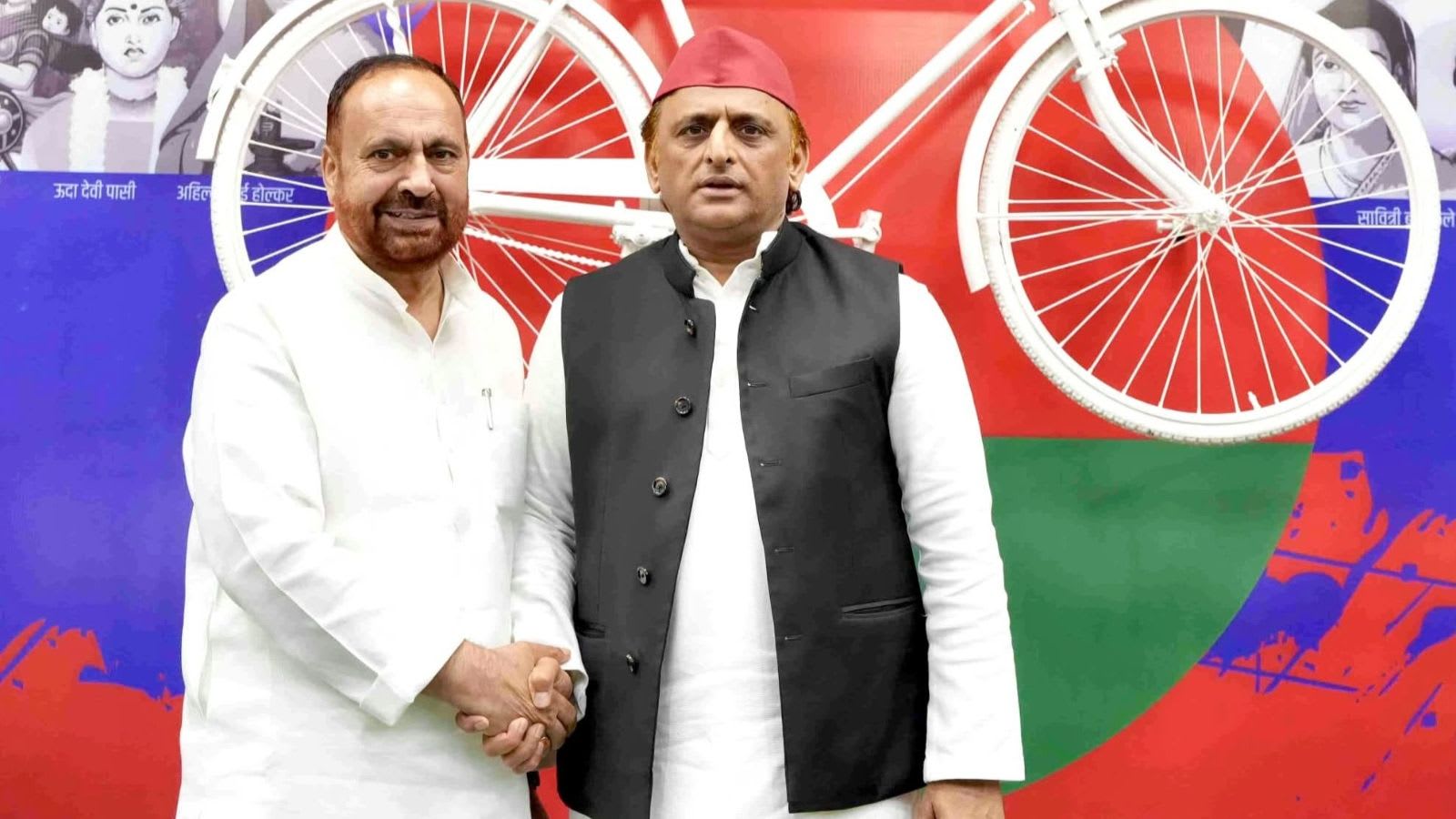
Samajwadi Party chief Akhilesh Yadav has appointed Abdul Mateen Siddiqui as the Uttarakhand state unit president. This strategic shift replaces a Hindu religious leader with a Muslim veteran ahead of the 2027 assembly elections.
Strategic Reshuffling in Uttarakhand
In a significant organizational shift occurring less than five months before critical regional electoral cycles, Samajwadi Party (SP) chief Akhilesh Yadav has overhauled the leadership of the party’s Uttarakhand unit. By appointing Abdul Mateen Siddiqui, a seasoned 66-year-old leader from the Nainital district, to the position of state president, Yadav has signaled a tactical pivot in the party's approach to the upcoming assembly elections. This move replaces Shubham Giri, a mahant who had served as the working president for over eight months, marking a distinct departure from the previous leadership profile.
The Shift in Political Identity
The appointment of Siddiqui is particularly notable as it marks the first instance of the Samajwadi Party installing a Muslim face as the head of its Uttarakhand unit. Historically, the party has experimented with diverse leadership structures, including the appointment of religious figures like Giri to broaden its appeal. However, the transition to a veteran like Siddiqui—who has previously served as the state general secretary and in-charge—suggests a move toward consolidation and experience as the party prepares for the 2027 electoral landscape.
Electoral Context and Timing
Uttarakhand is scheduled to hold its assembly elections in February 2027, coinciding with broader electoral processes in Uttar Pradesh and other states. The timing of this appointment, while seemingly early, reflects the high-stakes nature of these elections. By placing a familiar face who has previously contested from the Haldwani constituency in 2007 and 2012, the leadership is likely banking on Siddiqui’s deep-rooted organizational knowledge and his familiarity with the local political terrain to revitalize the party's presence in a challenging state.
Analyzing the Organizational Strategy
Siddiqui’s background as a long-time party loyalist who has navigated multiple roles within the Uttarakhand SP provides a layer of stability that the central command appears to prioritize. While his previous electoral bids in Haldwani did not result in a win, his persistence and long-standing affiliation with the party suggest a focus on grassroots mobilization rather than just electoral outcomes. This strategy aims to strengthen the party's infrastructure in Uttarakhand, a state where the Samajwadi Party has historically struggled to gain significant traction against dominant national parties.
Broader Implications and Future Outlook
The decision to replace a mahant with a Muslim leader carries inherent implications for the party's platform and its target demographic. As the Samajwadi Party looks to solidify its base, the appointment of a leader with deep regional connections in Nainital serves as a mechanism to reclaim lost ground. Observers will be watching to see if this leadership change can successfully translate into a coherent campaign strategy that resonates with the diverse electorate of Uttarakhand as the 2027 polls draw nearer.