‘Parivarvaad has benefits’: Akhilesh says 5 family MPs ensured SP never split
Source Entity
Lalmani Verma
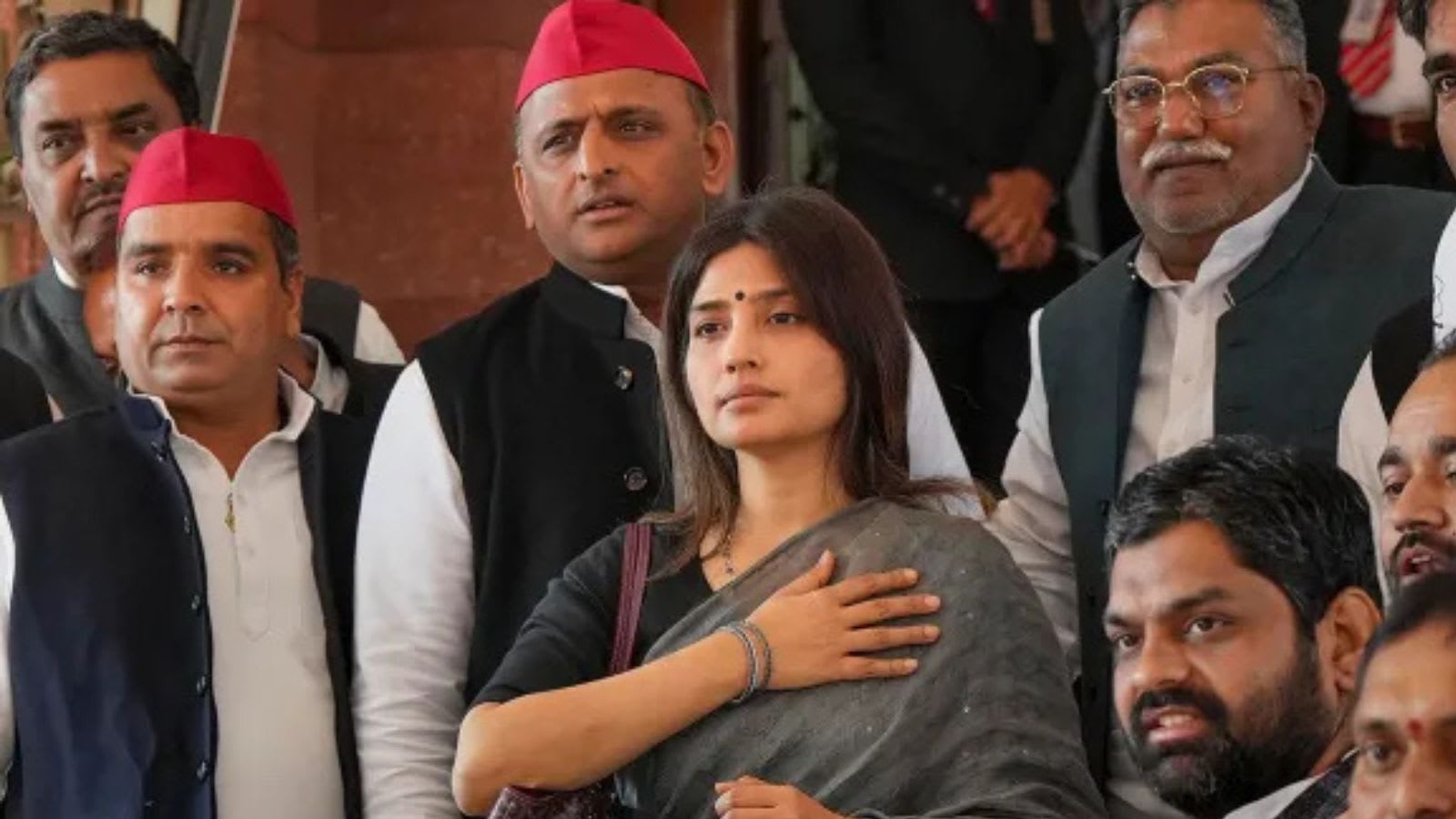
Samajwadi Party president Akhilesh Yadav has defended dynastic politics, claiming that having five family members as MPs has successfully prevented internal party splits. He challenged critics of 'parivarvaad' by highlighting the stability such structures provide to his organization.
The Strategic Defense of Parivarvaad
Samajwadi Party (SP) president Akhilesh Yadav has sparked a fresh debate on the role of dynastic politics—or parivarvaad—in Indian electoral democracy. During a recent press conference at the SP headquarters in Lucknow, Yadav explicitly linked the structural integrity of his party to the presence of multiple family members within its ranks. By arguing that the party has never faced a formal split due to the presence of five MPs from his own family, Yadav has reframed the often-criticized concept of nepotism as a mechanism for organizational stability.
Stability Through Kinship
Yadav’s argument rests on the premise that familial bonds provide a level of loyalty and cohesion that traditional political alliances often lack. In the volatile landscape of Indian state politics, parties are frequently susceptible to defections and internal fracturing. By centralizing key leadership positions within a single family unit, the Samajwadi Party has effectively created a core of decision-makers whose interests are inextricably linked to the survival of the party brand. This centralization is, in Yadav’s view, the primary reason the SP has avoided the internal disintegration that has plagued other regional outfits.
Challenging the BJP Narrative
The timing of these comments is particularly significant given the ongoing political discourse in Uttar Pradesh. The Bharatiya Janata Party (BJP) has consistently targeted the Samajwadi Party for promoting nepotism, using the term parivarvaad as a pejorative to suggest that the party prioritizes dynastic interests over meritocracy. Yadav’s counter-argument—that one should consider the 'benefits' of such a system—serves as a direct rebuttal to these allegations, shifting the focus from the moral critique of dynasty to the practical utility of political durability.
A Broader Coalition of Interests
It is important to note that Yadav did not attribute the party's stability solely to his family. He explicitly mentioned that the SP’s strength is also bolstered by a diverse coalition of Muslim MPs and committed socialists. This suggests that while he views his family as the 'anchor' of the party, he acknowledges that the broader political machine relies on a multi-layered support base. By highlighting this balance, he is attempting to project the Samajwadi Party as a resilient and inclusive political force rather than a mere family enterprise.
Implications for Future Political Trends
As Indian politics continues to evolve, the debate surrounding dynastic succession will remain a central theme. Yadav’s public defense of his family’s role suggests that regional parties are increasingly comfortable owning the 'dynasty' label rather than shying away from it. This signals a potential shift where political leaders may lean into their family heritage as a symbol of consistency and endurance, potentially setting a precedent for how other regional parties defend their internal power structures against external criticism.
Conclusion
Ultimately, Akhilesh Yadav’s remarks offer a candid look into the internal logic of the Samajwadi Party. By framing parivarvaad as a stabilizing force, he has challenged his opponents to look past the label of nepotism and consider the pragmatic political outcomes that his family-led structure has achieved. Whether this defense will resonate with voters who prioritize merit-based representation remains a point of contention, but it certainly clarifies the SP’s stance on its internal governance model in the face of persistent scrutiny.