Why Samajwadi Party never split? Akhilesh points out 'benefit' of dynastic politics
Source Entity
RAJEEV SINGH
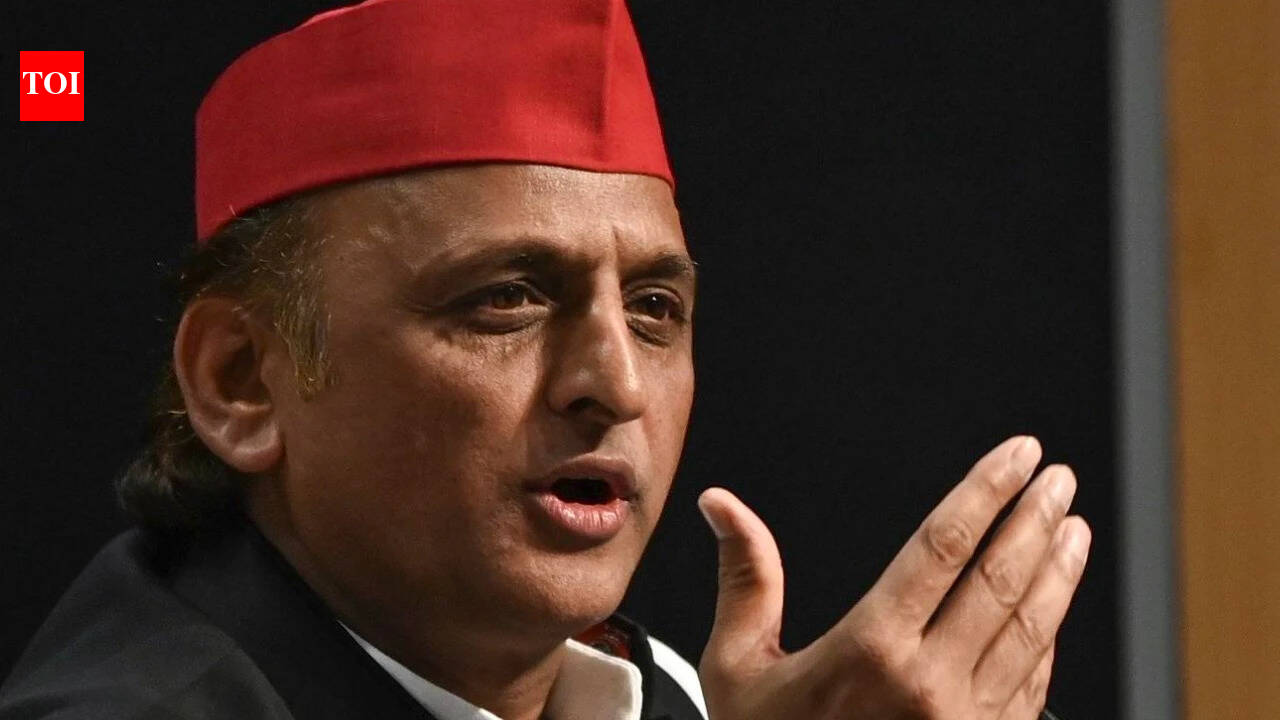
Samajwadi Party leader Akhilesh Yadav has defended dynastic politics, claiming that having five family members as MPs has successfully prevented party splits. He argues that this familial structure provides internal stability and ensures the party's cohesion against external pressures.
The Strategic Defense of Parivarvaad
Samajwadi Party (SP) president Akhilesh Yadav has ignited a fresh discourse on the role of dynastic politics—or parivarvaad—within the Indian democratic framework. During a recent press conference at the party’s headquarters in Lucknow, Yadav explicitly defended the practice, arguing that it serves as a structural stabilizer. By highlighting that his party possesses five Members of Parliament from a single family, he posited that this concentration of familial interest is the primary reason the Samajwadi Party has never suffered a major internal split.
Stability Through Kinship
Yadav’s argument rests on the premise that familial bonds offer a level of loyalty and cohesion that traditional party structures sometimes lack. In a political landscape often characterized by defections, shifting allegiances, and internal power struggles, the presence of multiple family members in key legislative positions creates a unified front. According to Yadav, this arrangement ensures that the party remains insulated from the fractures that frequently plague other regional political entities, thereby maintaining the party’s overall strength and electoral durability.
Addressing the Nepotism Narrative
The comments were made in direct response to persistent criticisms from the Bharatiya Janata Party (BJP), which has frequently targeted the Samajwadi Party for promoting nepotism. By giving tickets to multiple candidates from one family, the SP has been accused of prioritizing dynastic interests over democratic meritocracy. Yadav’s counter-narrative suggests that critics overlook the practical advantages of these arrangements, reframing what is often perceived as a negative democratic trait into a functional tool for party management.
The Composition of Party Cohesion
Beyond just the influence of his own family, Yadav elaborated on the broader coalition of the Samajwadi Party. He pointed out that the party’s resilience is also bolstered by a diverse representation, including numerous Muslim MPs and staunch socialist veterans. By weaving together the stability of his family’s leadership with the support of these distinct ideological and demographic groups, Yadav contends that the party has built a robust defense mechanism against any efforts by political opponents to engineer a split.
Broader Implications for Indian Democracy
This debate highlights a fundamental tension in Indian politics between the ideals of meritocratic representation and the reality of dynastic influence. While critics view parivarvaad as an impediment to fresh leadership and democratic inclusivity, proponents like Yadav argue that it provides essential continuity and stability in a volatile political climate. The SP president’s candid remarks suggest that the party intends to continue leveraging this model, viewing it as a pragmatic necessity rather than a political liability.
Future Outlook
As the political landscape continues to evolve, the Samajwadi Party’s reliance on this model will likely remain a point of contention in future election cycles. Whether this strategy will continue to yield electoral success or eventually alienate voters seeking change remains to be seen. However, by openly embracing the 'benefits' of his family's role, Akhilesh Yadav has set a clear tone for how his party intends to navigate future challenges to its internal integrity and external standing.
Multiple Citing Sources