SP Chief Akhilesh Yadav Begins PDA Rath Yatra Campaign For 2027 Assembly Elections | HT India
Source Entity
Latest News: Todays Latest News Headlines from India & World | Hindustan Times | Hindustan Times
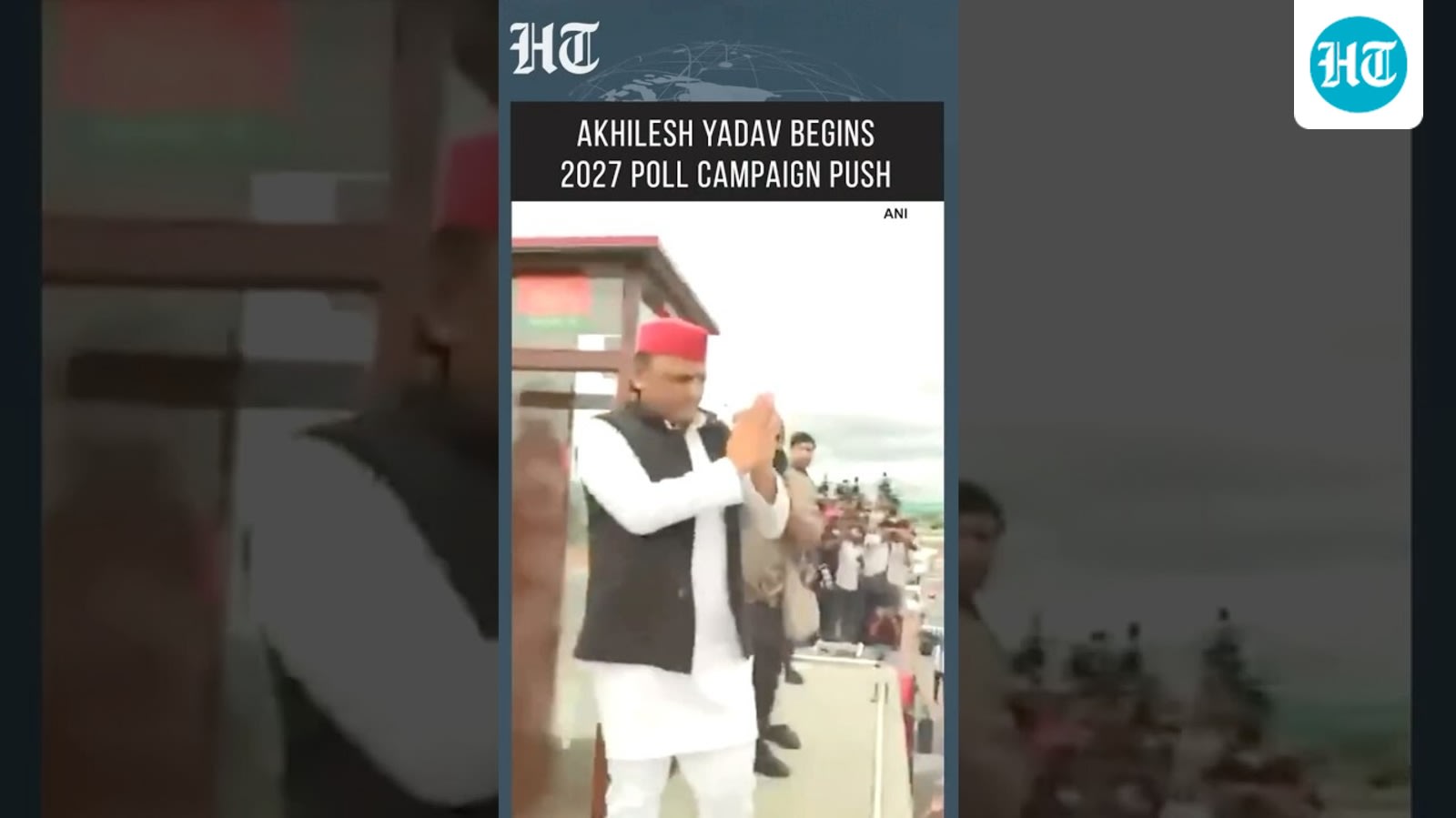
Samajwadi Party leader Akhilesh Yadav has launched the PDA Rath Yatra for the 2027 UP polls, while Arvind Kejriwal has demanded the arrest of CEC Gyanesh Kumar following allegations of electoral irregularities. These developments highlight intensifying political friction regarding the integrity of the Election Commission and future electoral strategies.
Shifting Political Landscapes: Elections and Accountability
The Indian political arena is witnessing a period of intense activity and heightened scrutiny, characterized by both long-term strategic mobilization and immediate institutional challenges. Samajwadi Party (SP) chief Akhilesh Yadav has officially commenced the 'PDA Rath Yatra' in Raebareli, signaling an early start to the party's campaign architecture for the 2027 Uttar Pradesh Assembly elections. Simultaneously, a significant political storm has erupted following an investigation by The Indian Express into the internal workings of the Election Commission of India (ECI).
The PDA Strategy and 2027 Preparations
Akhilesh Yadav’s decision to launch the PDA Rath Yatra—focusing on Pichde (Backward), Dalit, and Alpsankhyak (Minorities)—is a calculated move to solidify the Samajwadi Party’s core support base well ahead of the 2027 electoral cycle. By choosing Raebareli as the launching point, the SP is signaling its intent to reclaim and expand its influence in regions that hold critical weight in Uttar Pradesh politics. This early outreach suggests that the party is prioritizing ground-level engagement to counter political shifts and ensure voter mobilization long before the formal polling dates are announced.
Institutional Scrutiny of the Election Commission
While the SP focuses on future electoral battles, the present has been dominated by calls for accountability regarding past elections. Former Delhi Chief Minister Arvind Kejriwal has leveled serious allegations against Chief Election Commissioner (CEC) Gyanesh Kumar, demanding his arrest and the cancellation of recent elections. These demands stem from a report suggesting that Election Commissioners were allegedly sidelined during critical decision-making processes, specifically regarding the addition and deletion of names from electoral rolls.
The Controversy Surrounding CEC Gyanesh Kumar
At the center of this controversy is CEC Gyanesh Kumar, whose tenure has been marked by significant scrutiny. As the first CEC appointed under a new, more government-aligned selection process, Kumar has faced persistent accusations from opposition parties—most notably the Congress and Aam Aadmi Party—of favoring the ruling administration. The focus on the 'Special Intensive Revision' (SIR) of voter lists has become a flashpoint, with critics arguing that the process has been used to manipulate voter data to the detriment of fair representation.
Broader Implications for Democracy
The demands for the reinstatement of electoral rolls from three years ago and the re-run of assembly elections in states like Delhi, Maharashtra, and West Bengal represent a profound challenge to the perceived stability of India's electoral institutions. Such rhetoric underscores a widening trust deficit between the opposition and the ECI. If these allegations of internal ruptures within the commission gain further traction, it could lead to long-term systemic changes in how election commissioners are selected and how the public views the impartiality of the poll panel.
Future Trends and Outlook
Looking ahead, the tension between the SP's proactive campaign strategy and the opposition's focus on institutional reform will define the political discourse leading into 2027. We can expect an increase in legal and political challenges regarding voter list transparency and the operational autonomy of the ECI. As political parties prepare for state-level contests, the narrative surrounding the 'fairness' of the electoral machinery will likely be as significant as the policy platforms themselves, setting the stage for a highly contentious and closely watched period in Indian democracy.
Multiple Citing Sources
Verification Required?