US Citizen Injured After Immigration Agents Tried To Mistakenly Detain Him
Source Entity
NDTV News Search Records Found 1000
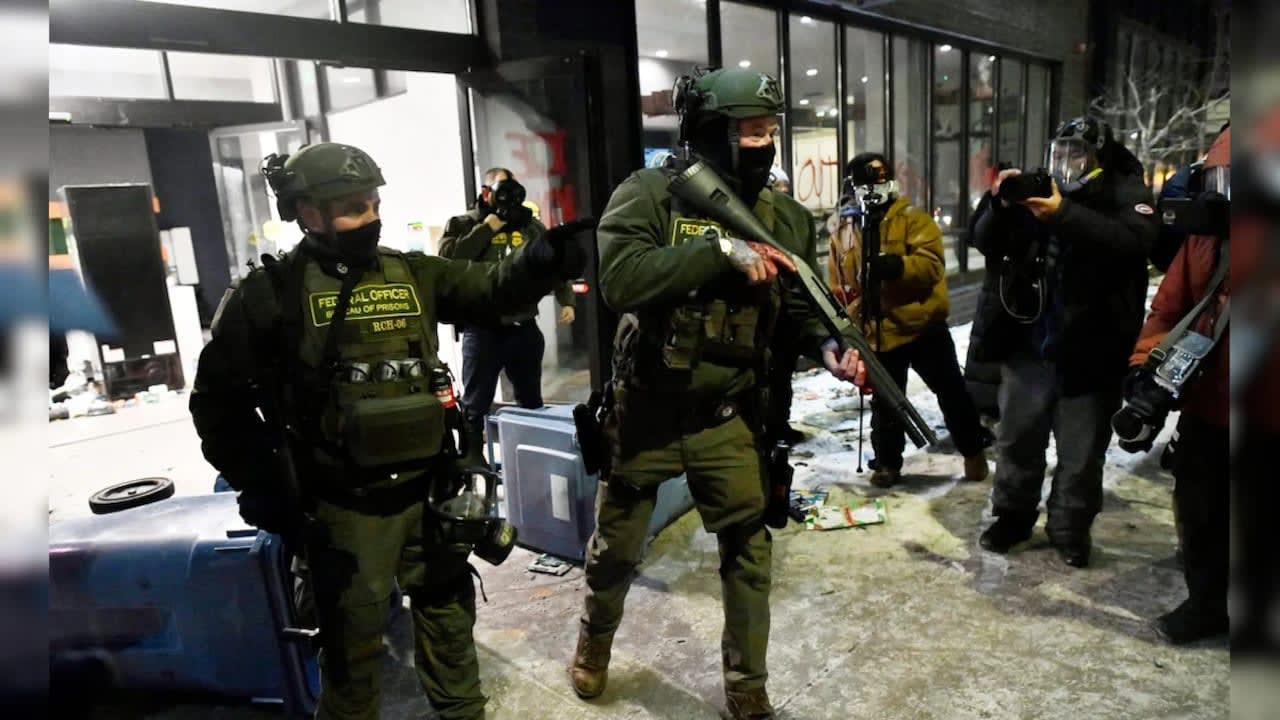
A US citizen sustained injuries after immigration agents attempted to mistakenly detain him. The confrontation occurred when the individual refused to provide identification, leading agents to attempt a physical restraint.
Confrontation Over Identification and Citizen Rights
The recent incident involving a U.S. citizen who was mistakenly targeted for detention by immigration agents highlights a significant intersection between administrative enforcement and civil liberties. According to reports, the situation escalated when the individual refused to provide identification, prompting agents to attempt to handcuff him. This physical intervention resulted in injuries, raising critical questions regarding the protocols used by federal agents when interacting with individuals whose immigration status is not properly verified.
The Mechanics of Mistaken Identity in Federal Enforcement
In the landscape of U.S. immigration enforcement, agents are tasked with identifying individuals who may be in the country illegally. However, this case underscores the high stakes of procedural errors. When agents act on mistaken assumptions, the resulting confrontation can infringe upon the rights of citizens who are under no legal obligation to prove their status on demand in various public settings. The decision to move directly to physical restraint—handcuffing—upon a refusal to produce identification suggests a breakdown in de-escalation tactics.
Legal Implications and Civil Liberties
Under the Fourth Amendment, citizens are protected against unreasonable searches and seizures. While immigration agents have specific authorities, the mistaken detention of a U.S. citizen touches upon the boundaries of these powers. The fact that the interaction ended in injury necessitates a deeper look at the training provided to agents regarding when force is appropriate and how they handle non-compliance. When a citizen stands their ground regarding their right to privacy, the immediate transition to physical force creates a liability for the agency and a trauma for the individual involved.
Systemic Issues in Immigration Policy
This incident is not an isolated event in the broader context of federal enforcement, where the pressure to meet quotas or respond to high-stakes directives can lead to aggressive field conduct. The reliance on physical restraint as a first-response tool when identification is withheld reflects a broader, systemic issue: the prioritization of control over due process. For citizens, this creates an environment of uncertainty where the simple act of refusing to produce documents can lead to physical harm.
Future Trends and Oversight
Looking forward, this event is likely to fuel calls for increased body-camera usage and more rigorous oversight of immigration enforcement operations. As public scrutiny of federal agencies intensifies, the necessity for clear, standardized protocols that differentiate between suspected unauthorized immigrants and U.S. citizens becomes paramount. Future trends in policy may shift toward mandatory identification verification steps that occur prior to any physical engagement to prevent such mistaken detentions from occurring again.
Concluding Perspectives
The injury of a U.S. citizen during a mistaken detention is a poignant reminder of the fragility of civil rights during law enforcement encounters. While the agents were operating under the premise of enforcement, the failure to correctly distinguish between a citizen and a target demonstrates a critical flaw in operational procedure. Moving forward, ensuring that agents are equipped with the judgment to handle non-compliant individuals without resorting to immediate physical force will be essential to restoring public trust and maintaining the integrity of federal immigration operations.
Verification Required?