Trump receives Xi Jinping at airport as Chinese prez begins 3-day US visit: What's on agenda
Source Entity
AYUSH PANDEY
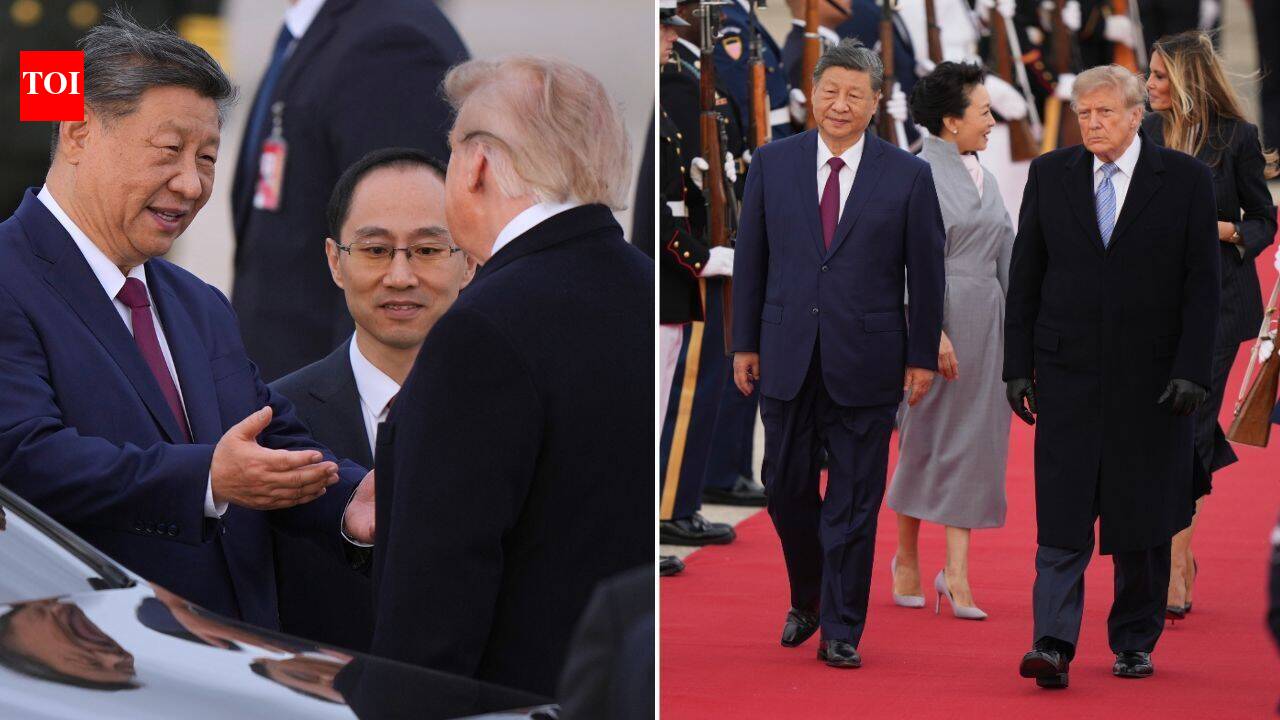
President Xi Jinping has arrived in Maryland for a three-day state visit, marked by a personal welcome from President Trump. The visit has drawn attention due to Trump's unconventional attire and ongoing tensions regarding White House media access.
Diplomatic Arrival Under Scrutiny
President Xi Jinping arrived in Maryland on Wednesday for a high-stakes three-day state visit to the United States. This visit, characterized by a rare personal airport welcome from President Donald Trump at Joint Base Andrews, signifies a pivotal moment in US-China relations. While the optics of the welcome were designed to project strength and cooperation, the event has been overshadowed by internal political developments within the United States regarding media relations and executive transparency.
The Media Pool Controversy
A significant backdrop to this summit is the ongoing friction between the White House and major news organizations. The administration’s decision to ban outlets such as CNN, Politico, and MS Now from the White House has led to a collapse of the traditional pooled coverage system. As noted by media analysts, this disruption directly impacts the coverage of President Xi’s visit, marking a departure from standard democratic protocols where the press acts as a witness to international diplomacy. This blackout raises concerns regarding the ability of the public to monitor the substance of the bilateral talks scheduled for Thursday.
Analyzing the 'Red Carpet' Optics
President Trump has reportedly sought to "roll out the red carpet" for President Xi, mirroring the hospitality shown during previous diplomatic exchanges, such as their 2026 meeting at the Great Hall of the People in Beijing. However, the visual narrative of this visit was quickly complicated by President Trump’s sartorial choices. The decision to wear a full winter coat and black gloves during mild Maryland weather drew immediate public and social media attention, sparking widespread speculation about the President's health and personal presentation.
Addressing Speculation on Presidential Health
The choice of attire, specifically the black gloves, has prompted analysis regarding the physical condition of the 80-year-old President. Reports suggest that the gloves may have been worn to conceal bruising on his hands, which the President has previously attributed to a daily regimen of high-dose aspirin. This detail has shifted the public conversation from the geopolitical implications of the US-China summit toward a focus on the personal health of the leader, highlighting how minor details in high-level diplomacy can dominate the news cycle.
Broader Implications for US-China Relations
Despite the distractions caused by media access issues and the President's outfit, the core purpose of the visit remains the bilateral talks occurring at the White House. These discussions are essential for navigating the complex economic and strategic landscape shared by the two global powers. The effectiveness of these talks will be measured not just by the formal agreements reached, but by the administration's ability to maintain a coherent diplomatic front amidst a domestic climate of intense media scrutiny and administrative controversy.
Conclusion
As the three-day visit continues, the intersection of international policy, media freedom, and personal health narratives will likely remain at the forefront. The success of this summit depends on whether the substance of the bilateral negotiations can transcend the controversies that have defined the arrival ceremony. Observers will be watching closely to see if the White House addresses the media blackout and if the remaining days of the visit yield tangible policy outcomes.