Sister of Pakistan's ex-PM Imran Khan arrested
Source Entity
BBC News
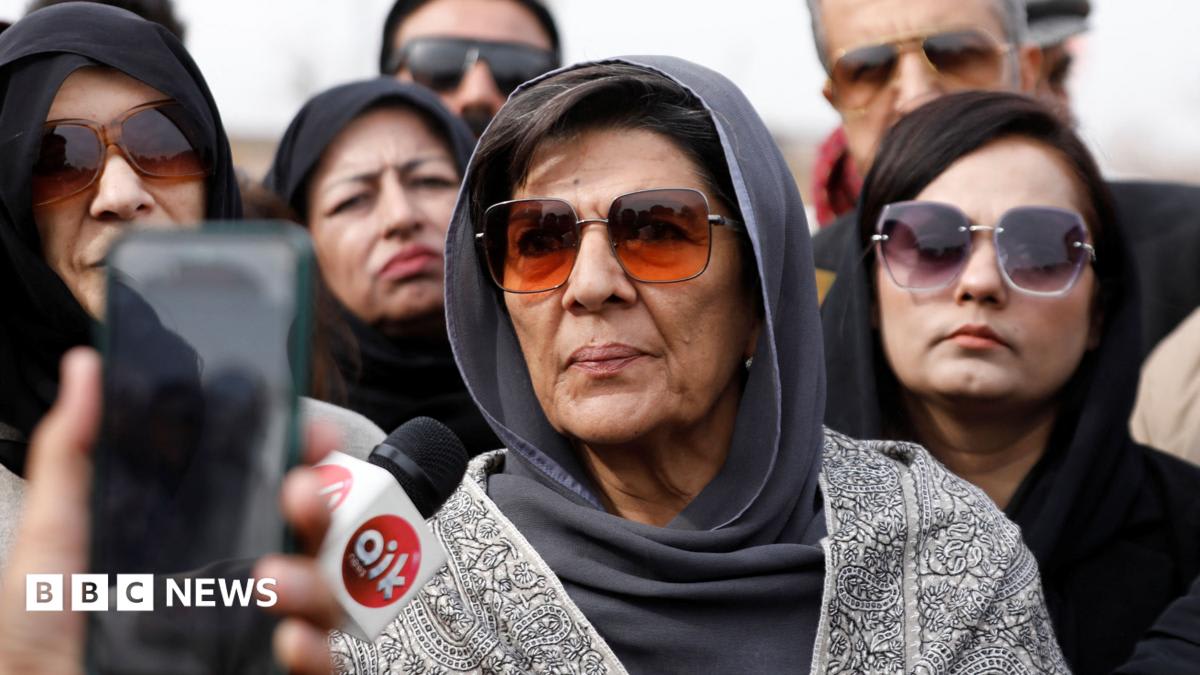
Aleema Khan, sister of former Pakistani PM Imran Khan, has been detained in Lahore for 30 days ahead of a planned PTI protest. Authorities cited public safety concerns, while her family has alleged the detention was an abduction.
Detention of Aleema Khan: Escalating Tensions in Pakistan
The Arrest and Legal Context
The recent detention of Aleema Khan, sister of former Pakistani Prime Minister Imran Khan, marks a significant intensification in the ongoing friction between the state and the Pakistan Tehreek-e-Insaf (PTI) party. According to reports, Aleema Khan was taken into custody from her residence in Lahore and subsequently transferred to Kot Lakhpat jail. This action occurs as the PTI prepares for a major protest march, aimed at securing the release of the incarcerated former premier.
Official Justification vs. Family Allegations
The Lahore district administration has issued a notification mandating a 30-day jail term for Aleema Khan. The government’s official stance rests on intelligence reports asserting that her presence in public spaces poses a "grave threat to public safety." Conversely, family members and party representatives have characterized the event as an abduction, highlighting that she had no contact with them following the arrest and noting that she was already on bail for all pending cases against her in Lahore.
Broader Implications for Political Stability
This development underscores the volatile political climate currently gripping Pakistan. By targeting family members of high-profile political figures, the state is signaling a rigid approach to managing dissent ahead of planned demonstrations. Such moves often serve as a preemptive measure to neutralize organizational capacity within the PTI, yet they carry the risk of further radicalizing the support base and increasing public sympathy for the detained leader.
Historical Patterns of Political Suppression
Pakistan’s political history is replete with instances where the state has utilized administrative detentions to stifle opposition movements. The use of intelligence-based notifications to justify the removal of key figures from the public sphere is a recurring tactic. This historical context suggests that the government is operating from a playbook designed to prevent mass mobilization, even at the cost of deepening the constitutional and political crisis.
Future Trends and Outlook
Looking ahead, the arrest of Aleema Khan is likely to exacerbate the confrontation between the PTI and the current administration. As the scheduled protest march approaches, the political environment remains highly charged. The effectiveness of these detentions in suppressing the protest will be a key indicator of the state's control, though history suggests such measures frequently lead to prolonged cycles of instability rather than lasting political resolution.
Multiple Citing Sources