More than a dozen arrested in connection with 2021 assassination of Haitian president
Source Entity
Agence France-Presse
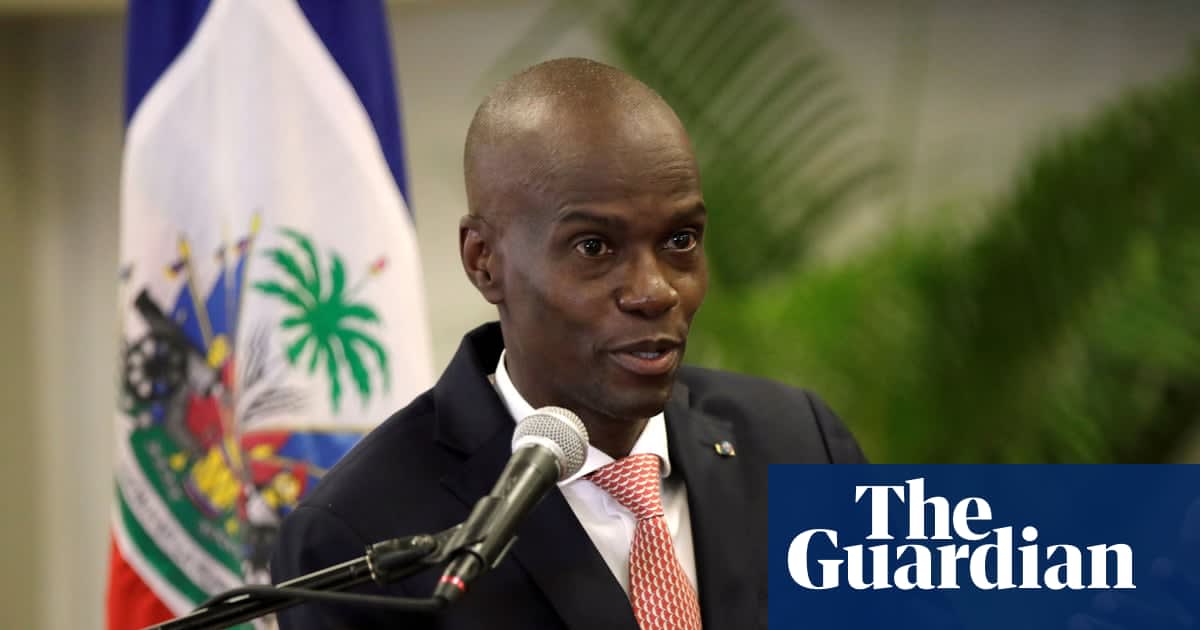
Eighteen individuals have been extradited from Haiti to the United States to face trial for the 2021 assassination of President Jovenel Moïse. These suspects, including military-trained mercenaries, are now in the custody of the Southern District of Florida to undergo American judicial proceedings.
The Pursuit of Justice in the Moïse Assassination
The recent extradition of eighteen suspects from Haiti to the United States marks a pivotal turning point in the investigation into the 2021 assassination of Haitian President Jovenel Moïse. The 53-year-old leader was killed on July 7, 2021, at his private residence, an event that sent shockwaves through the Caribbean nation and exposed deep systemic vulnerabilities within its security apparatus.
The Nature of the Attack
Reports indicate that the operation was carried out by a group of approximately 20 military-trained Colombian mercenaries. The brazen nature of the attack, coupled with the glaring failure of the president’s security detail to intervene or offer protection, suggests a high level of coordination and potential internal complicity. This failure remains a focal point for investigators seeking to understand how such a high-profile target could be breached so easily.
Legal Proceedings and International Cooperation
Following a protracted judicial process within Haiti, the eighteen suspects have been transported via military aircraft to the Southern District of Florida. FBI special agent Brett Skiles and U.S. Attorney Jason Reding Quiñones have emphasized that these arrests represent a significant step in the U.S. government's commitment to accountability. By moving the trial to American soil, officials aim to bypass the limitations that hindered the local Haitian judicial process.
Expanding the Scope of Investigation
The legal strategy in Florida appears to be broad in scope. Prosecutors have indicated that they intend to follow the evidence wherever it leads, specifically targeting those who financed, facilitated, or supported the plot. This suggests that the scope of the investigation extends well beyond the mercenaries on the ground, potentially implicating high-level actors who enabled the crime.
Broader Implications for Haiti
The assassination of Jovenel Moïse plunged Haiti into a period of extreme instability, exacerbating existing political, economic, and humanitarian crises. The success of these trials is viewed not only as a matter of individual justice for the late president but as a necessary step for restoring confidence in the rule of law within the region. The move to prosecute in the U.S. underscores the international community's concern regarding the volatility of the Haitian justice system.
Future Outlook
As the case moves forward in the United States, the international community will be watching closely to see if the proceedings can successfully uncover the architects of the assassination. While the extradition is a major milestone, the long-term impact on Haiti’s political landscape remains to be seen. The trial will likely serve as a litmus test for international cooperation in addressing transnational crimes that threaten the sovereignty and stability of vulnerable nations.
Multiple Citing Sources