Team uses AlphaFold AI to redesign gene-editing proteins to make them safer
Source Entity
John Timmer
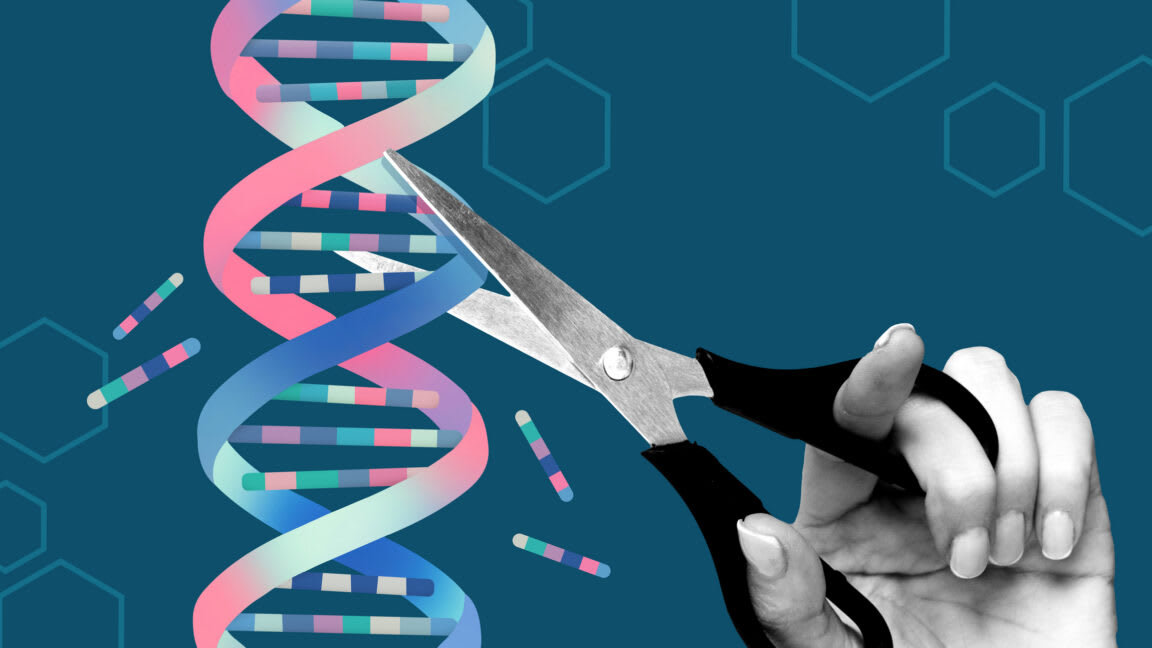
Researchers are utilizing Google's AlphaFold AI to identify and redesign gene-editing proteins to prevent unintended off-target DNA mutations. This breakthrough addresses a major hurdle in clinical gene therapy by enhancing the precision and safety of genomic interventions.
The Precision Revolution: AlphaFold and the Future of Gene Editing
For nearly two decades, the scientific community has grappled with the immense potential and technical risks of gene-editing technologies. While systems that selectively target DNA have revolutionized biotechnology, the primary barrier to widespread clinical application remains safety. The human genome is vast, and the complexity of its architecture means that even highly specific editing proteins can occasionally misidentify sequences, leading to what researchers categorize as 'off-target effects.'
Understanding the Off-Target Challenge
The fundamental problem lies in the sheer scale of the human genome. Because DNA sequences can appear multiple times by chance, even a highly refined gene-editing tool may inadvertently modify a region of the genome that was not the intended target. In the context of therapeutic applications, where millions of cells must be edited to treat a disease, the statistical probability of these errors becomes nearly inevitable. These off-target edits represent a significant safety hurdle, as they can disrupt healthy genes or cause unintended biological consequences.
The Role of AlphaFold in Protein Engineering
Recent breakthroughs, as highlighted in a study published in Nature, demonstrate a transformative approach to this problem. Researchers are now leveraging Google’s AlphaFold—an AI system renowned for predicting protein structures with unprecedented accuracy—to map the specific components of gene-editing proteins that trigger these erroneous edits. By understanding the structural mechanics of these proteins at an atomic level, scientists can identify the exact 'fault lines' that lead to off-target binding.
Redesigning for Safety
Equipped with these AI-generated structural insights, the research team is moving beyond mere observation to active intervention. They are redesigning the architecture of gene-editing proteins to eliminate the molecular features responsible for mistakes while maintaining their ability to target the intended gene. This shift from trial-and-error laboratory experimentation to AI-driven predictive design marks a paradigm shift in how we approach synthetic biology.
Broader Implications and Future Trends
This integration of artificial intelligence into genetic engineering suggests a future where gene therapies are significantly safer and more precise. As AlphaFold continues to provide deeper insights into protein folding and interaction, we can expect the development of a new generation of 'high-fidelity' gene-editing tools. These advancements are critical for the transition of gene therapy from experimental trials to standard, reliable clinical care for genetic disorders.
Conclusion
The ability to mitigate off-target effects through structural redesign is a milestone for the field. By combining the predictive power of AI with the precision of modern gene-editing systems, researchers are successfully addressing the most significant safety concerns surrounding genomic medicine. This trajectory promises to accelerate the timeline for FDA-approved therapies, ultimately providing safer, more effective treatments for patients worldwide.