Amazon puts Luna cloud-streamed games like Fallout 4 inside Prime Video
Source Entity
Stevie Bonifield
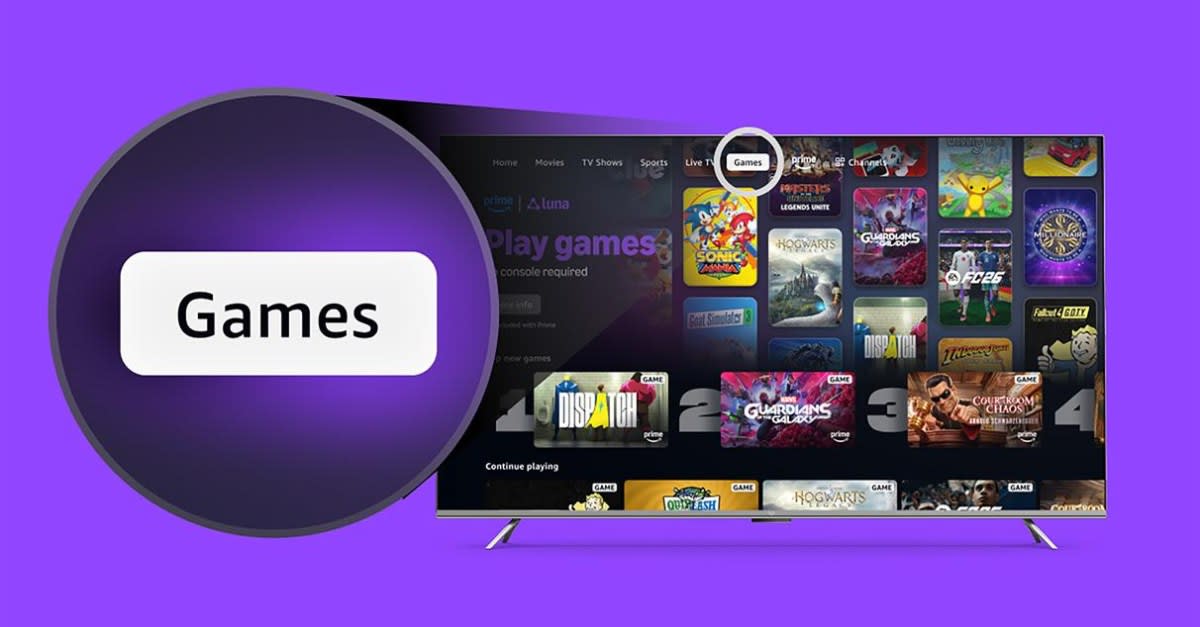
Amazon and Microsoft are refining their cloud gaming strategies to reach broader audiences. Amazon is integrating its Luna service directly into Prime Video, while Microsoft is testing ad-supported streaming for owned titles.
The Evolution of Cloud Gaming: Amazon and Microsoft Shift Focus
The cloud gaming sector is undergoing a significant strategic pivot as tech giants Amazon and Microsoft move away from chasing the 'core' gamer demographic exclusively. By leveraging existing streaming infrastructure, both companies are attempting to lower the barrier to entry for casual users, addressing long-standing technical hurdles like latency and internet reliability that have historically hampered the cloud gaming experience.
Amazon's Prime Video Integration
Amazon has taken a decisive step by integrating its Luna cloud gaming service directly into the Prime Video interface on Fire TV devices. By creating a dedicated 'Games' tab, the company is positioning video games alongside movies, television, and sports. This move mirrors the strategy adopted by Netflix, which has successfully integrated casual gaming into its streaming ecosystem to increase user engagement and retention. By including Luna within the existing $14.99 per month Prime subscription, Amazon aims to transform Prime Video into a holistic entertainment hub.
Targeting the Casual Audience
Under the leadership of gaming executive Jeff Gattis, Amazon has reorganized its gaming divisions—Prime Gaming, Amazon Game Studios, and Luna—into a single entity. This consolidation suggests a shift toward a 'casual-first' philosophy. By offering titles such as 'Hogwarts Legacy' and 'EA Sports FC 26' directly to Prime subscribers, Amazon is tapping into a massive, pre-existing user base that may have been intimidated by the standalone Luna website but is comfortable navigating the Prime Video interface.
Microsoft’s Ad-Supported Experiment
While Amazon focuses on platform bundling, Microsoft’s Xbox division is exploring a different monetization model. The company recently announced plans to test an advertising-supported streaming service for games that users already own. This represents a novel approach to cloud gaming, potentially allowing players to access their library without the friction of hardware constraints, provided they are willing to engage with ad content. This model could prove crucial for Microsoft as it attempts to diversify revenue streams beyond the traditional subscription-heavy Xbox Game Pass model.
Overcoming Technical and Market Challenges
The primary challenge for both firms remains the inherent volatility of internet connections, which often results in latency issues that can ruin the gaming experience. Historically, cloud gaming companies have struggled to maintain the high frame rates and quick response times required by competitive titles. By targeting more casual, less twitch-sensitive games, Amazon and Microsoft are playing to the strengths of current cloud infrastructure while waiting for wider 5G and fiber adoption to improve stability.
Future Implications for the Industry
The shift toward integrated streaming platforms signals a move toward commoditizing gaming. As games become just another category of content within a media library, the industry is moving closer to an 'all-in-one' entertainment model. If these strategies succeed, we can expect a continued decline in the necessity of expensive local hardware, potentially shifting the power dynamic of the gaming industry away from console manufacturers and toward the platform holders who control the streaming pipes.
Multiple Citing Sources