‘Evil man will be punished’: Rijiju warns Delhi man over racial abuse of Tripura youth
Source Entity
ABHISHEK MISHRA
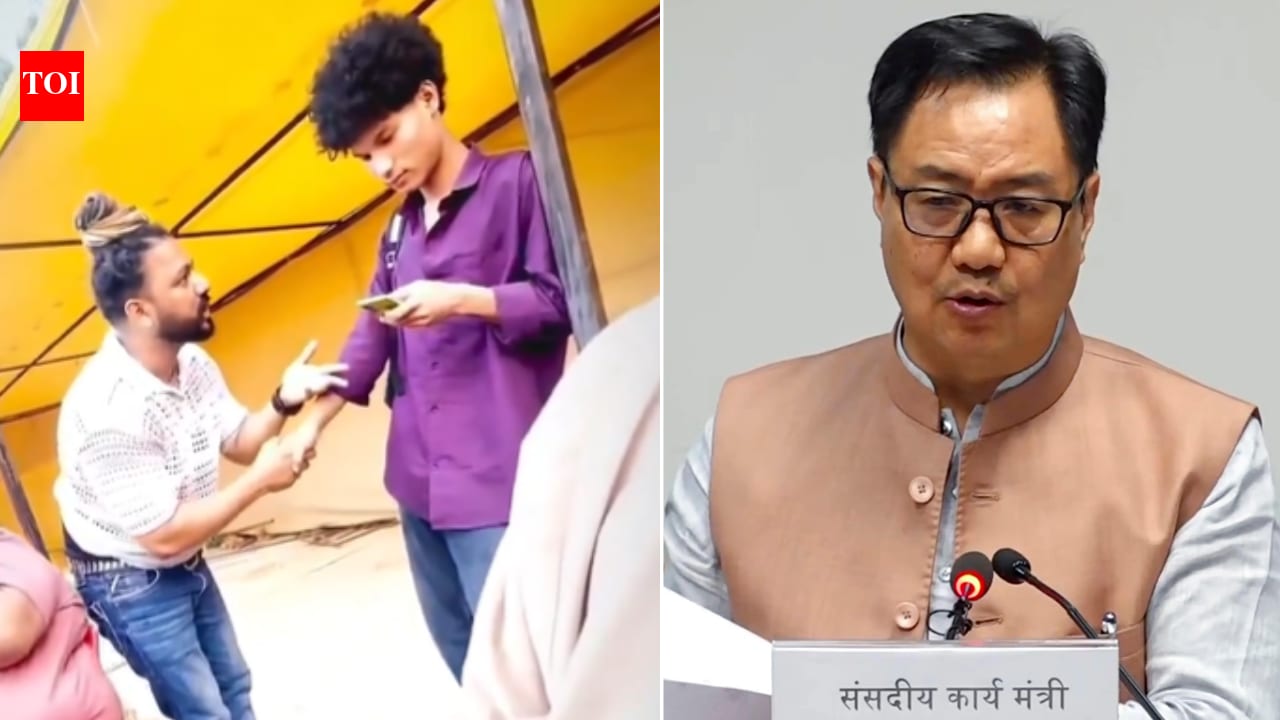
A viral video of influencer Amir Shokeen mocking a tribal youth from Tripura has triggered widespread political condemnation. Authorities, including Delhi Police and state officials, are now actively pursuing the accused for alleged racial abuse.
The Tripura Racial Abuse Controversy: A Crisis of Digital Conduct
An Incident of National Outrage
The circulation of a viral video featuring social media influencer Amir Shokeen has ignited significant political and social unrest across Tripura and beyond. In the footage, Shokeen is seen subjecting a tribal youth from Tripura’s Gomati district to demeaning questioning, mockingly inquiring if the youth is the 'president' of a neighboring country and disparaging his origin when he identifies as Indian. This act, widely characterized as racial harassment, has transcended mere social media controversy to become a focal point of national discourse regarding the treatment of tribal communities and the responsibilities of content creators.
Swift Political Intervention
The response from political leadership has been both rapid and unified. Tripura Chief Minister Manik Saha has taken a proactive stance, directing the state’s Director General of Police (DGP) to coordinate directly with the Delhi Police to ensure a comprehensive investigation. Simultaneously, Union Parliamentary Affairs Minister Kiren Rijiju has publicly condemned the act, labeling the influencer an 'evil man' and affirming that he will face the consequences of his actions. This high-level intervention highlights the gravity with which the administration views incidents of racial discrimination against citizens from the North Eastern region.
The Role of Law Enforcement
Following the formal request from the Special Police Unit for North Eastern Region (SPUNER), the Delhi Police’s Intelligence Fusion and Strategic Operations (IFSO) unit has launched an official investigation. This specialized unit is tasked with navigating the complexities of digital evidence and content moderation. While law enforcement personnel have already visited the residence of Amir Shokeen to facilitate questioning, the influencer was found to be absconding. This development has further intensified the search, signaling that the authorities are committed to holding the creator accountable for his conduct.
Implications for Digital Content Creators
This incident underscores the growing volatility of the 'influencer' culture, where the pursuit of engagement often crosses into harassment and exploitation. By mocking the ethnic identity of a tribal youth, Shokeen has highlighted a persistent issue regarding racial prejudice faced by people from Northeast India in metropolitan areas. The backlash serves as a warning to content creators that the digital landscape is not immune to legal scrutiny and that discriminatory behavior—even when framed as 'entertainment'—carries severe repercussions.
Broader Socio-Political Context
Historically, the North Eastern states have often faced incidents of racial profiling and social alienation when individuals travel to mainland India. The current incident, however, has seen a rare alignment of political factions in Tripura, who have closed ranks to demand justice. This cross-party consensus indicates that the protection of the dignity of tribal communities has become a non-negotiable priority for local leadership, setting a standard for how such grievances should be addressed in the future.
Looking Ahead: Accountability and Awareness
The ongoing investigation by the IFSO is expected to set a precedent for how racial abuse on social media is prosecuted in India. As the search for Shokeen continues, the event serves as a catalyst for deeper conversations about regional inclusivity and the need for stricter digital ethics. The ultimate resolution of this case will likely influence future policy regarding the regulation of social media content that targets vulnerable or marginalized groups, ensuring that the digital sphere does not become a sanctuary for hate speech.
Multiple Citing Sources