Detect and deport illegal migrants, Amit Shah tells police chiefs
Source Entity
India Latest News: Top National Headlines Today & Breaking News | The Hindu
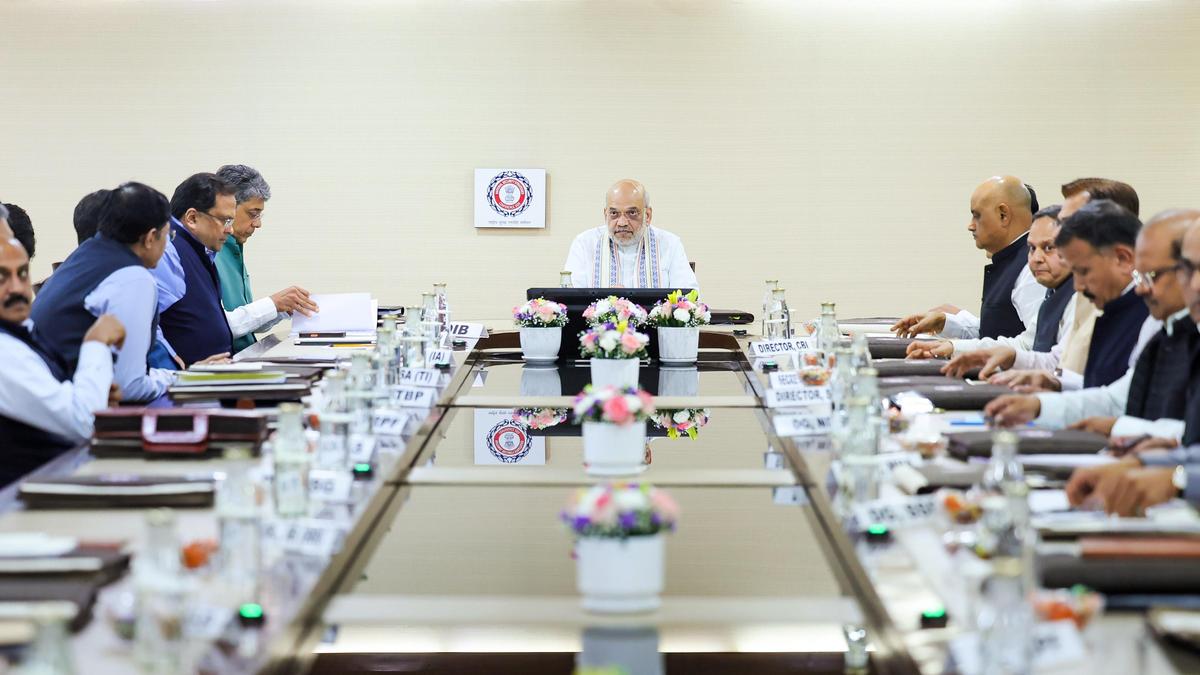
Union Home Minister Amit Shah has directed security agencies to identify and deport illegal migrants while emphasizing the use of AI for national security. The NSSC-2026 conference is also addressing emerging threats like information warfare and bio-security.
Strengthening National Security: The NSSC-2026 Directive
On August 24, 2026, Union Home Minister Amit Shah inaugurated the National Security Strategies Conference (NSSC)-2026, setting a clear mandate for India's law enforcement and security apparatus. Central to his address was the explicit instruction for police chiefs to bolster efforts in detecting and deporting illegal migrants. This directive highlights the government's ongoing commitment to tightening border security and maintaining internal demographic integrity as a pillar of national stability.
Integrating AI for Strategic Defense
A significant portion of the Home Minister’s speech focused on the technological modernization of security operations. He specifically called for the implementation of AI-based analysis of data aggregated on Multi-Agency Centres (MAC) platforms. By leveraging artificial intelligence, agencies aim to develop standardized operating procedures (SOPs) that can more effectively predict and neutralize multifaceted national security threats. This shift represents a move toward data-driven governance in the realm of domestic intelligence.
Expanding the Scope of National Threats
The NSSC-2026 goes beyond traditional migration concerns, reflecting an evolving threat landscape. The inclusion of topics such as information warfare and bio-security in the conference agenda underscores the government’s proactive stance against non-traditional threats. As digital spaces become battlegrounds for influence and public opinion, the integration of specialized frameworks to combat disinformation is becoming a critical component of state security.
Collaborative Security Frameworks
Attended by over 850 participants in a hybrid format, the conference serves as a vital platform for inter-agency coordination. By bringing together police chiefs and security officials from across the country, the government is fostering a unified national strategy. This collective approach is intended to bridge gaps between regional police forces and federal intelligence agencies, ensuring that the SOPs developed through AI analysis are implemented consistently across all jurisdictions.
Future Implications and Policy Direction
The directives issued at the NSSC-2026 suggest a future where AI-led surveillance and rigorous border control remain at the forefront of India's internal security policy. As the nation prepares to tackle the complexities of information warfare and bio-security, the emphasis on technological integration suggests that data literacy and algorithmic analysis will become essential skills for modern law enforcement. The outcome of this conference is expected to redefine the operational standards for security agencies throughout the coming year.
Verification Required?