Top US Army Official To Step Down After Months Of Tension With Hegseth: Report
Source Entity
NDTV News Search Records Found 1000
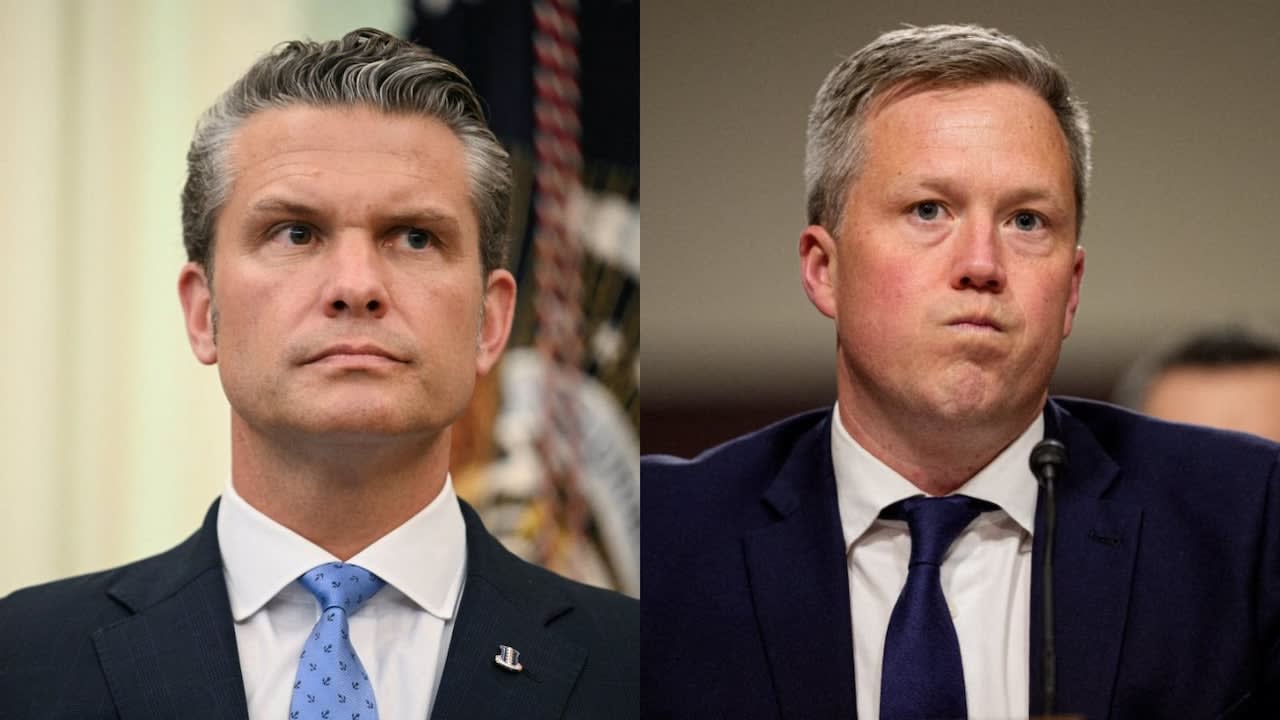
US Army Secretary Dan Driscoll is set to depart by late 2026 amid reported friction with Defense Secretary Pete Hegseth. This impending exit, coupled with a lack of confirmed leadership, creates a significant power vacuum within the Pentagon.
Leadership Instability at the Pentagon
The announced departure of US Army Secretary Dan Driscoll by the end of 2026 marks a pivotal moment of transition within the Department of Defense. Reports indicate that Driscoll, who had previously earned praise from President Trump, is planning his exit following months of documented tension with Defense Secretary Pete Hegseth. This friction has reportedly reached a personal level, as evidenced by the physical relocation of Driscoll and his family from their official residence, signaling a definitive severance from the administrative environment he once led.
The Impact of a Leadership Vacuum
The potential for Driscoll to step down—possibly earlier than his 2026 target—poses a significant risk to the institutional stability of the United States Army. With the service already lacking a Senate-confirmed Chief of Staff, the departure of the Secretary threatens to leave the Army without any Senate-confirmed civilian or military leadership. Such a vacancy complicates the chain of command and creates an environment of uncertainty that can hinder the execution of long-term strategic directives.
Strategic Modernization Under Pressure
At the core of the Army’s current mission is a rigorous focus on technology and large-scale modernization efforts. Driscoll’s tenure has been defined by these initiatives, which are essential for maintaining a competitive edge in modern warfare. However, the internal political friction between the Secretary and his superior, Pete Hegseth, suggests a misalignment in priorities or administrative style. This discord threatens to stall momentum on critical procurement programs and technological upgrades that require consistent, high-level advocacy within the Pentagon.
Contextualizing the Tenure
Sources familiar with the matter suggest that Driscoll had internally viewed his role as having a tenure of approximately 23 to 24 months. While this timeframe is not uncommon for political appointees, the context of his departure is heavily colored by the adversarial relationship with the Defense Secretary. This pattern of high-level attrition reflects a broader trend of volatility within the current administration’s defense apparatus, which often prioritizes ideological alignment over bureaucratic continuity.
Future Implications for Defense Policy
The departure of key civilian leaders at this juncture serves as a bellwether for future shifts in military policy. As the Army navigates a period of profound technological change, the absence of a confirmed Secretary will likely empower acting officials or force a more centralized decision-making process under Secretary Hegseth. Whether this transition will lead to a streamlined approach to modernization or a period of policy stagnation remains the primary question for stakeholders in the national security apparatus.
Verification Required?