Telangana energy sector to complement govt. plans to achieve $3 trillion economy: Dy. CM
Source Entity
India Latest News: Top National Headlines Today & Breaking News | The Hindu
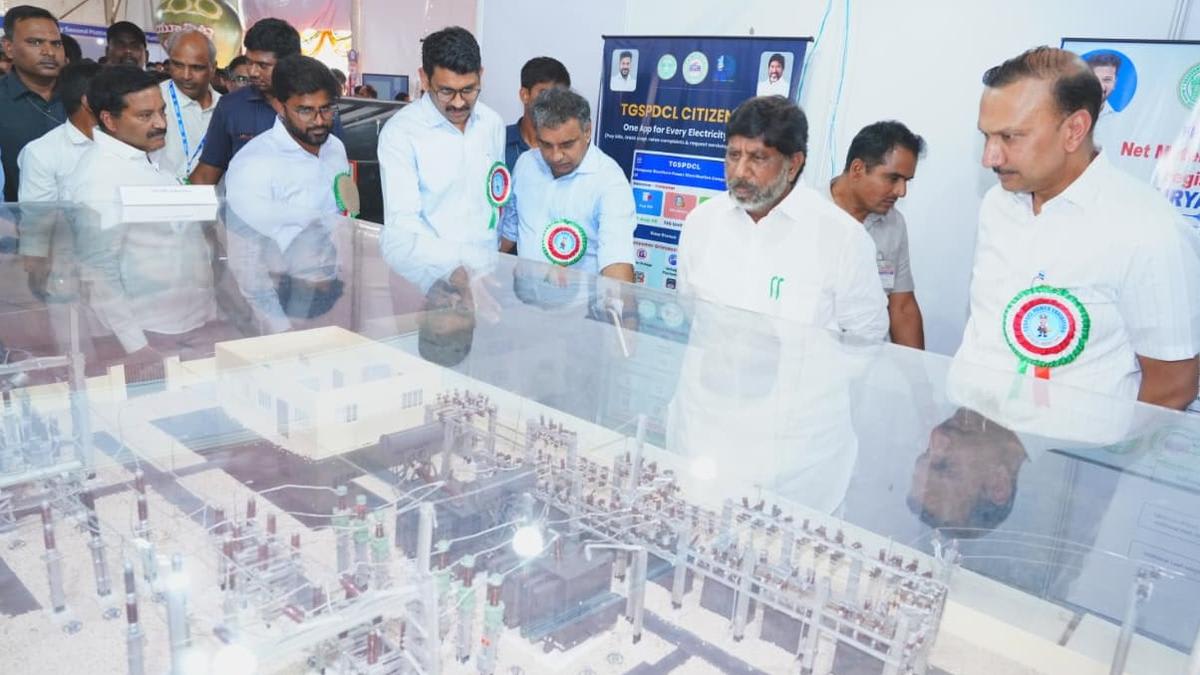
Telangana Deputy CM Mallu Bhatti Vikramarka emphasized the critical role of independent journalism in democracy while outlining ambitious plans to boost the state's energy sector. These initiatives aim to support Telangana's contribution to India's $3 trillion economy goal by 2047.
Strengthening Democracy and Economic Vision in Telangana
Telangana Deputy Chief Minister Mallu Bhatti Vikramarka recently articulated a dual-vision for the state, emphasizing the necessity of a robust, independent press alongside a high-growth economic strategy. Speaking at the Federation of Press Clubs National Conclave in Hyderabad, Vikramarka underscored that the health of a democracy is inextricably linked to the media's ability to hold authority accountable. By asserting that governments and journalists should not always be in agreement, he highlighted the vital role of critical oversight in maintaining institutional transparency.
The Role of Media in Governance
Vikramarka’s remarks suggest a governance philosophy that views journalism not as an adversary, but as a mechanism for public accountability. He argued that the primary function of the press is to force those in power to explain their decisions, thereby fostering a more informed citizenry. This perspective is particularly relevant in the current political climate of Telangana, where the Deputy Chief Minister has actively challenged opposition narratives, specifically accusing BRS leaders of attempting to mislead the public regarding government policies.
Energy Infrastructure as an Economic Catalyst
Parallel to his comments on press freedom, Vikramarka outlined a strategic roadmap for Telangana’s industrial development. During the inauguration of the Power Exhibition–2026, he emphasized that the state’s energy sector is being fundamentally restructured to support a broader national goal: transforming India into a $3 trillion economy by 2047. By prioritizing the reliability of power and water infrastructure, the government aims to position Telangana as a premier destination for both manufacturing and service-sector investments.
Long-term Planning and Investor Confidence
To achieve these ambitious economic targets, the state government is moving beyond short-term fixes, focusing instead on long-term planning to anticipate future energy demands. This proactive approach is designed to eliminate resource shortages that often hinder industrial growth. By inviting investors from across the country to leverage this improved infrastructure, Vikramarka is signaling that economic stability is a cornerstone of the current administration's development agenda.
Broader Implications for State Policy
The convergence of these two themes—media freedom and economic expansion—reflects a holistic approach to state building. While the focus on energy provides the physical foundation for growth, the emphasis on a free press provides the social and political stability required for sustained development. Vikramarka’s call for the Federation of Press Clubs to evolve into a protective institution for journalists suggests a commitment to ensuring that as Telangana grows economically, its democratic institutions remain equally resilient.
Future Outlook
As Telangana continues to align its energy policies with national economic objectives, the success of these initiatives will likely depend on the government’s ability to maintain a transparent dialogue with the public. By advocating for a press that questions power while simultaneously building the infrastructure for industrial success, the Deputy Chief Minister is setting a framework that prioritizes both accountability and progress. The coming years will be critical in determining whether these investments in infrastructure and media relations can effectively propel the state toward its 2047 economic milestones.
Verification Required?