‘Haunted’ tribal hostel: Amravati Collector, top officials spend night with students to dispel ghost rumours
Source Entity
Ankita Deshkar
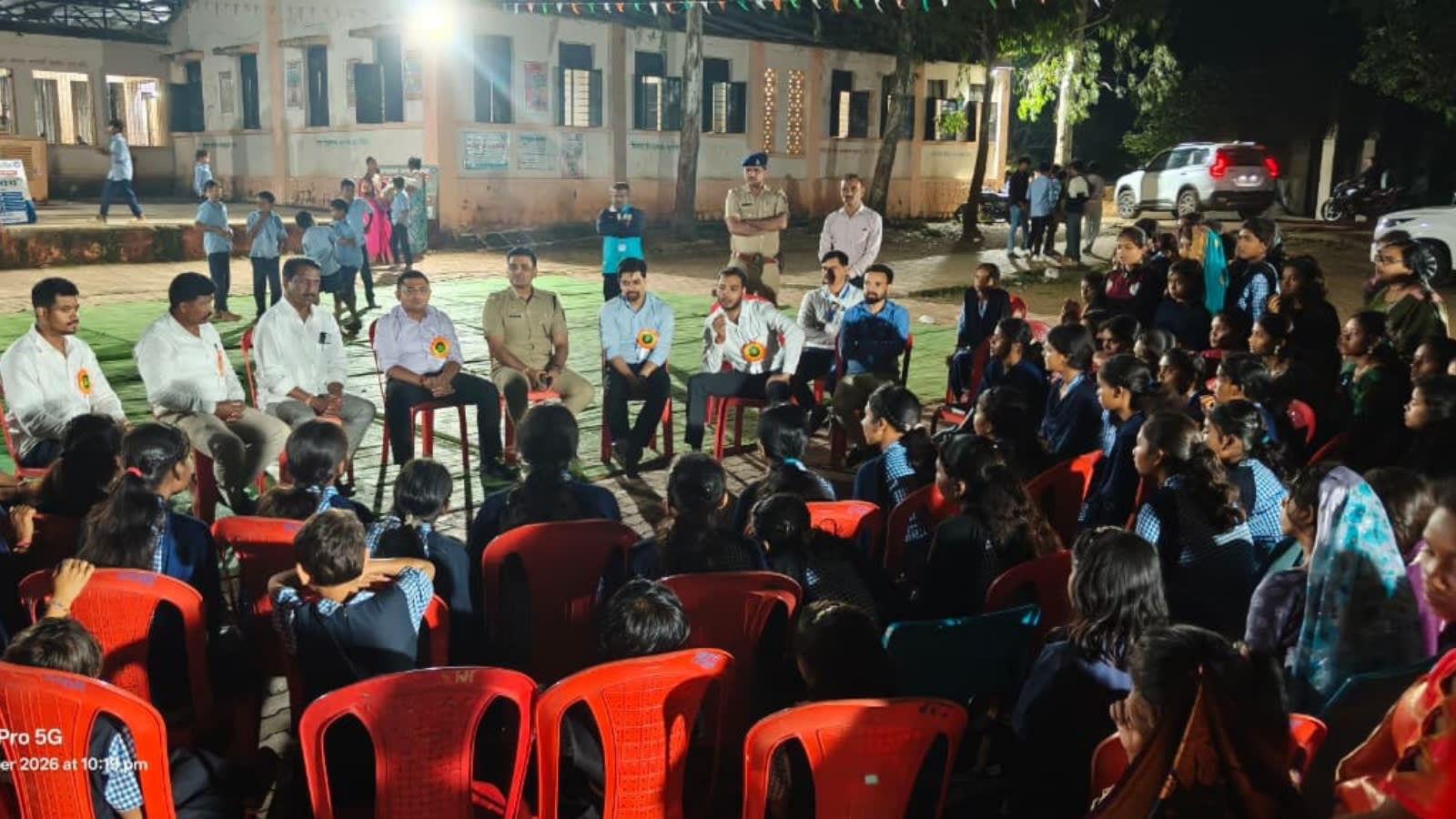
Amravati district officials spent a night at a tribal residential school in Doma village to dispel widespread ghost rumors. The intervention aimed to restore student confidence and promote a scientific temperament after hundreds of children fled the hostel.
Addressing Superstition in Tribal Education
In a proactive effort to combat the spread of irrational fears, top administrative and police officials in the Amravati district of Maharashtra, including Collector Ashish Yerekar, Zilla Parishad CEO Satyam Gandhi, and Superintendent of Police Niketan Kadam, recently spent the night at a tribal residential school in Doma village. This unusual administrative intervention was triggered by persistent rumors of a 'ghost' haunting the hostel premises, which had escalated to the point where hundreds of students fled the campus in terror.
The Impact of Folklore on Institutional Stability
The incident highlights the deep-seated influence that local folklore and superstition can exert on vulnerable populations, particularly within remote tribal communities. When fear of the supernatural takes hold, it can lead to mass hysteria, causing significant disruptions to the educational process. By choosing to sleep on-site, the officials aimed to dismantle the narrative of a haunted space through direct action, demonstrating that the environment is safe and governed by rational reality rather than paranormal activity.
Promoting Scientific Temperament
Beyond simply quelling the immediate panic, the officials utilized their visit to engage directly with the students, urging them to reject superstition and instead embrace a scientific outlook. This approach aligns with the constitutional mandate in India to develop a 'scientific temper' among citizens. By fostering an environment where students feel safe enough to question and analyze their surroundings, the administration is working to ensure that education remains the primary focus of the tribal residential school system.
Leadership as a Tool for Public Confidence
The presence of high-ranking officials, including the Superintendent of Police, served as a powerful psychological mechanism to restore order. In rural settings, the authority of the state is often viewed as a stabilizer. By participating in dinner and engaging in open communication with the children, the officials bridged the gap between the administration and the community, effectively replacing the fear of the unknown with the reassurance of institutional support.
Broader Implications and Future Trends
This event serves as a microcosm of the ongoing struggle in many parts of India to balance traditional beliefs with modern pedagogical goals. As the government continues to invest in tribal education, the success of these programs relies not just on infrastructure, but on the psychological well-being of the students. Moving forward, such interventions underscore the necessity for administrative sensitivity, where officials must be prepared to address the socio-cultural fears that can threaten the continuity of education in rural areas.
Conclusion
The actions of the Amravati administration represent a commendable commitment to public service, showing that leadership extends beyond policy-making to include direct community engagement. By confronting the 'ghost' rumors head-on, the officials have successfully stabilized the school, ensuring that the students can return to their studies without the burden of irrational fear, ultimately reinforcing the importance of rational thought in the classroom.