4-Year-Old Girl Attacked By Stray Dogs While Playing At Home In Karnataka
Source Entity
NDTV News Search Records Found 1000
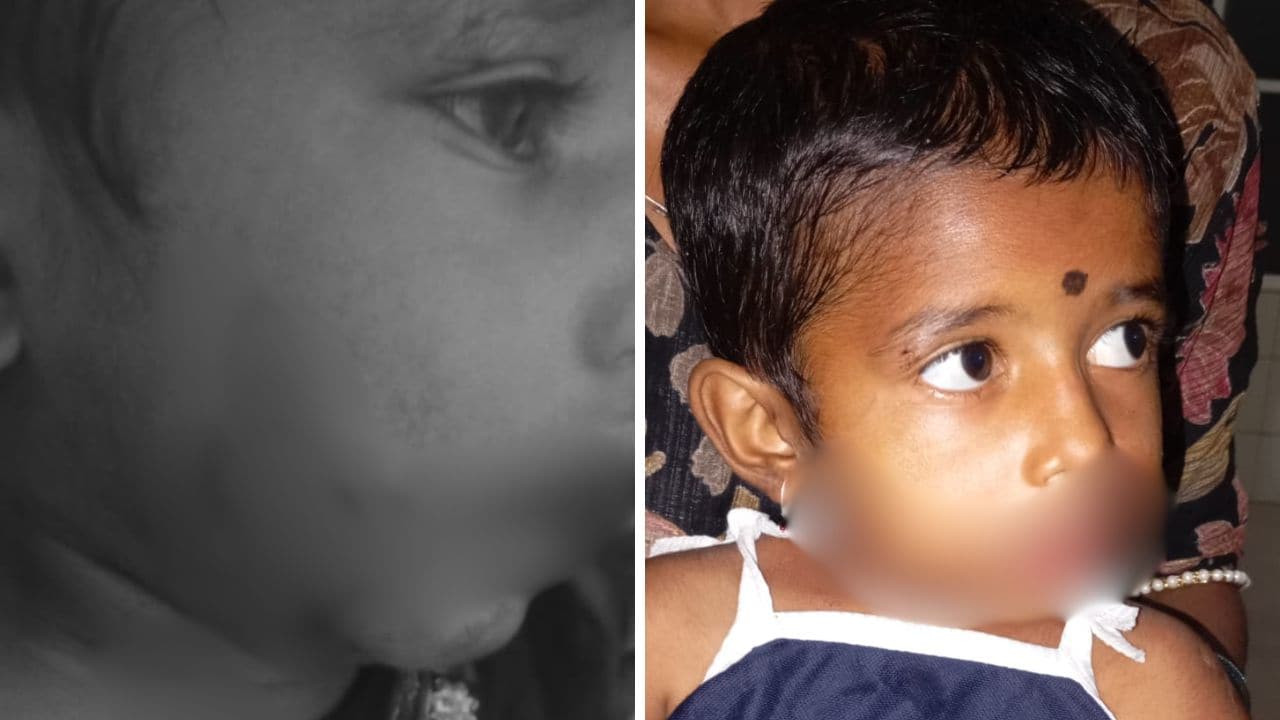
Recent reports from Karnataka and Assam highlight a growing crisis of stray dog attacks across India. Officials are emphasizing the urgent need for consistent vaccination programs and increased public awareness to mitigate these incidents.
The Escalating Crisis of Stray Dog Attacks in India
The recent reports of a four-year-old girl suffering deep facial wounds from a stray dog attack in Karnataka, coupled with the alarming surge of over 100 dog-bite cases in Dibrugarh, Assam, underscore a deepening public safety crisis across India. These incidents are not isolated; they represent a recurring pattern of human-animal conflict that threatens the safety of vulnerable populations, particularly children, who are often the primary victims of such encounters.
The Vulnerability of Public Spaces
In the Karnataka incident, the victim was attacked while playing in the vicinity of her own home. This highlights the pervasive nature of the danger, as even residential areas are not immune to the presence of aggressive packs. When children are targeted within their own neighborhoods, it creates a climate of fear that restricts outdoor play and social interaction, fundamentally impacting the quality of life in these communities.
Analyzing the Surge in Dibrugarh
The situation in Dibrugarh, where over 100 cases were reported within a single week, points toward a systemic failure in managing stray animal populations. Such a high volume of incidents in a compressed timeframe suggests that local authorities may be struggling to maintain effective control measures. This spike necessitates an immediate evaluation of current animal birth control (ABC) programs and the efficacy of local municipal response strategies.
The Necessity of Vaccination and Management
As noted by officials, sustained vaccination efforts are the cornerstone of rabies prevention and disease control. Beyond simply managing population numbers, these programs must focus on the health and behavior of the stray dog population. Public caution is equally vital, yet it cannot be the sole burden placed on citizens; local governing bodies must provide the infrastructure and resources necessary to minimize these high-risk encounters.
Broader Implications and Future Trends
Looking forward, India must reconcile its approach to animal welfare with the pressing need for human safety. If these trends continue, municipalities will face increased pressure to implement more aggressive sterilization and relocation protocols. The long-term solution requires a multi-faceted approach involving better waste management to reduce food sources for stray packs, consistent community-wide vaccination drives, and robust reporting mechanisms to monitor and address canine behavioral hotspots before they escalate into tragedies.
Multiple Citing Sources
Verification Required?