Five acres, diverse crops, 50 customers: How an Amritsar farmer built an organic business
Source Entity
Anju Agnihotri Chaba
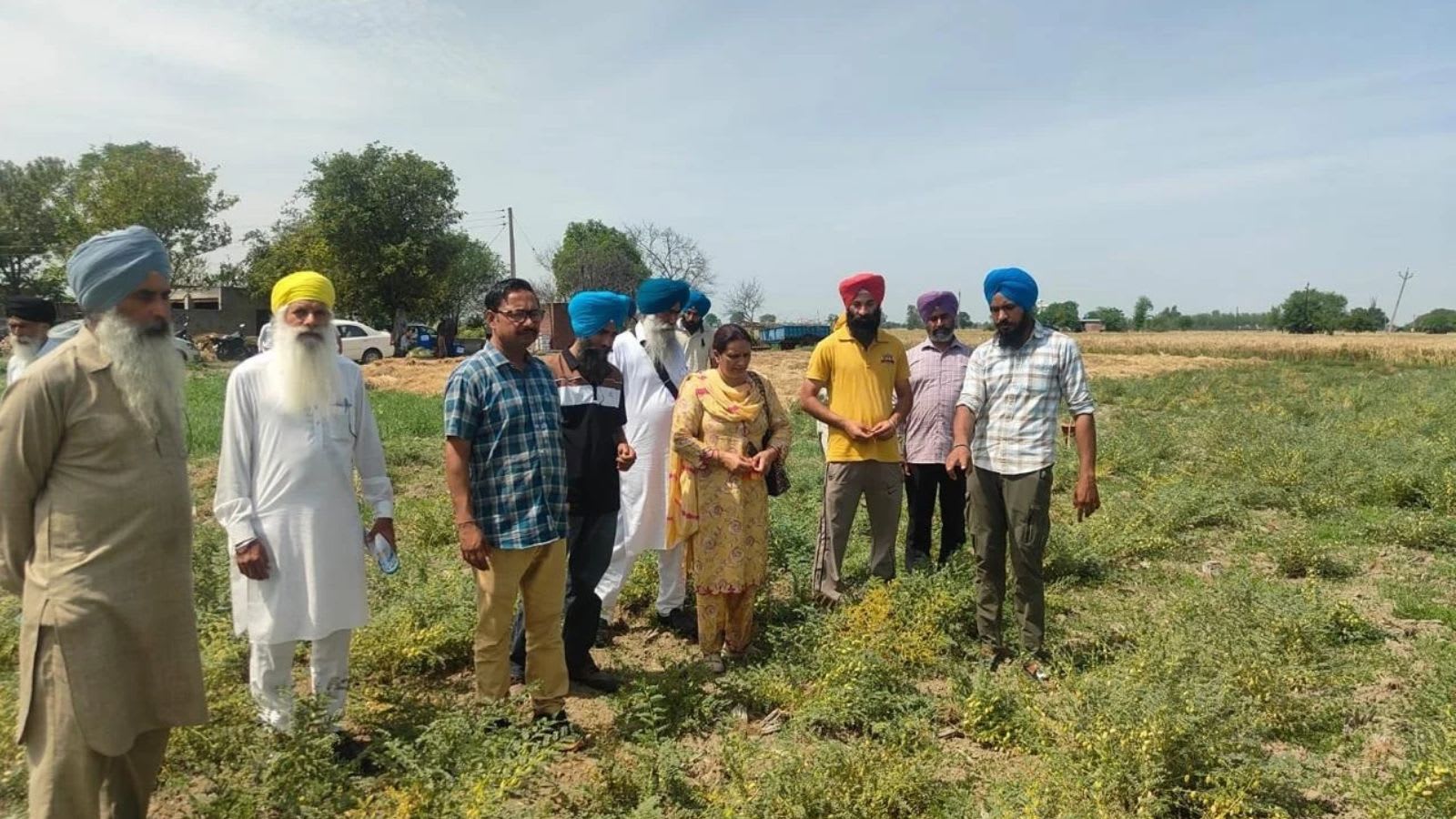
Jobandeep Singh, a mechanical engineering graduate, has transformed his five-acre farm in Amritsar into a diversified organic business. By moving away from traditional wheat-paddy cycles, he now manages a sustainable enterprise involving crop variety, dairy, and direct-to-consumer sales.
The Shift from Engineering to Agriculture: A Case Study in Rural Innovation
The story of Jobandeep Singh represents a significant departure from the traditional trajectories expected of engineering graduates in Punjab. After completing his BTech in mechanical engineering, Singh opted to exit the corporate workforce in 2015, returning to his family land in Mala Khedi village. This transition highlights a growing trend among educated youth who are increasingly viewing agriculture not merely as a subsistence activity, but as a viable, scalable business enterprise that requires technical precision and strategic planning.
Breaking the Wheat-Paddy Cycle
One of the most critical aspects of Singh’s success is his deliberate defiance of the wheat-paddy crop rotation that has dominated Punjab’s agricultural landscape for decades. By diversifying his five-acre holding, he has mitigated the ecological and financial risks associated with monocropping. His transition to organic cultivation on four of his five acres demonstrates a commitment to sustainable soil management, which is essential for long-term land productivity in a region often criticized for excessive chemical usage.
Diversification as a Risk Management Strategy
Beyond mere crop rotation, Singh has integrated multiple revenue streams into his business model. By incorporating dairy farming, poultry, and beekeeping, he has created a self-sustaining ecosystem. This diversification ensures that his income is not tied to a single harvest or market fluctuation. In agricultural economics, this multi-faceted approach acts as a buffer, allowing the farmer to maintain liquidity even when specific segments of the market face downturns.
Direct Marketing and Consumer Connectivity
Perhaps the most modern element of Singh’s business is his focus on direct marketing to 50 dedicated customers. By bypassing traditional intermediaries, he captures a larger share of the value chain. This direct-to-consumer model is gaining traction globally as a way to ensure fair pricing for farmers and high-quality, transparent produce for buyers. It represents a shift toward a 'farm-to-table' philosophy that is increasingly supported by urban consumers seeking healthier alternatives.
Implications for the Future of Indian Agriculture
Singh’s model serves as a potential blueprint for other small-scale farmers in India. His use of engineering logic to optimize small plots—fennel, flaxseed, black gram, and pulses—suggests that size is not a barrier to profitability if managed with scientific rigor. As more educated individuals enter the agricultural space, we are likely to see an increase in tech-enabled farm management, better supply chain integration, and a stronger emphasis on value-added organic goods.
Conclusion: A Sustainable Path Forward
Jobandeep Singh’s journey is a testament to the potential for innovation within rural India. By treating his five acres as a diversified business rather than a traditional farm, he has successfully carved out a niche that supports both his livelihood and the local ecosystem. His story underscores the necessity of moving toward sustainable, diversified farming practices to ensure the long-term viability of the agricultural sector in Punjab and beyond.