Release recommendations of Thiruppugazh Committee, Anbumani urges T.N. government
Source Entity
India Latest News: Top National Headlines Today & Breaking News | The Hindu
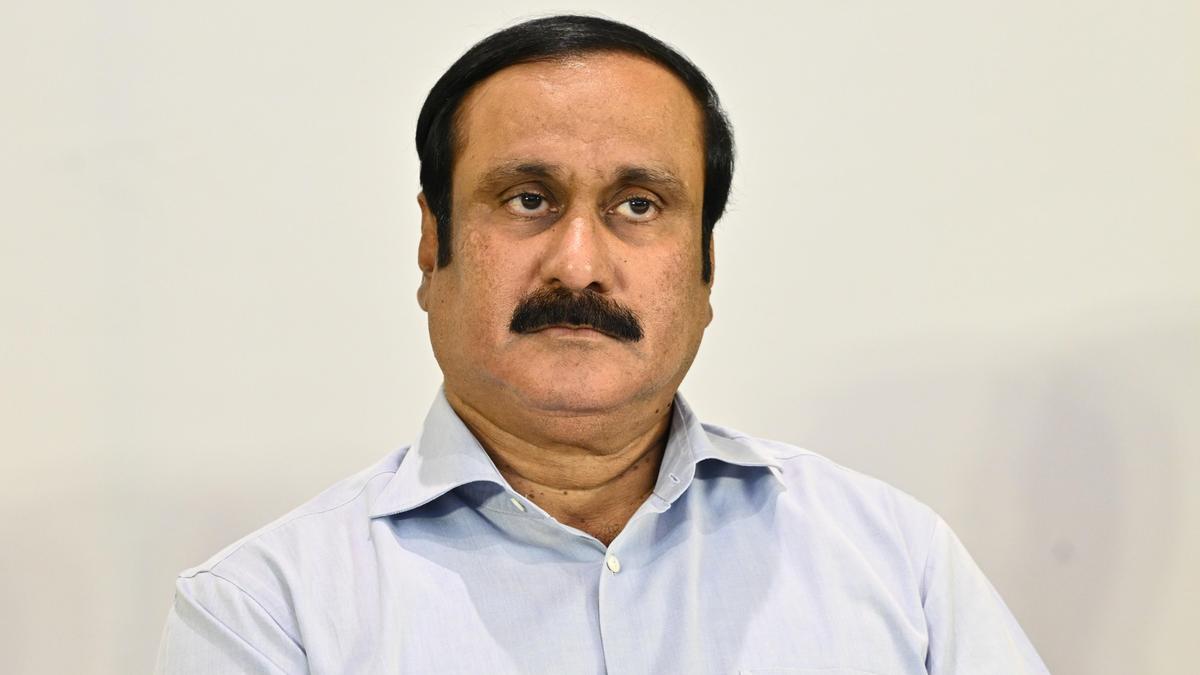
PMK president Anbumani Ramadoss has urged the Tamil Nadu government to release the Thiruppugazh Committee report. The call follows intense, cloudburst-like rainfall in Chennai, highlighting an urgent need for improved flood mitigation infrastructure.
Urgent Call for Transparency in Chennai's Flood Mitigation Strategy
The Catalyst: Recent Climate Volatility
The recent intense rainfall in Chennai, which many have characterized as having the intensity of a cloudburst, has brought urban infrastructure vulnerabilities back into the spotlight. PMK president Anbumani Ramadoss has formally urged the Tamil Nadu state government to release the long-awaited Thiruppugazh Committee report. This request comes as a direct response to the Saturday deluge, which served as a stark reminder that the city's current drainage systems may be ill-equipped to handle the increasing frequency of extreme weather events.
The Role of the Thiruppugazh Committee
The Thiruppugazh Committee was established to provide expert recommendations on managing Chennai’s perennial flooding issues. By keeping these findings out of the public domain, the state government faces mounting pressure from opposition leaders like Ramadoss, who argue that transparency is essential for accountability. The implementation of these recommendations is viewed not merely as a bureaucratic formality, but as a critical safeguard for the city's residents against future climate-induced disasters.
Addressing the 'Cloudburst' Threat
Anbumani Ramadoss has emphasized that the PMK has been issuing warnings regarding climate change and its potential to trigger cloudburst-like scenarios in Chennai for over five years. The recent rainfall serves as a validation of these concerns. As global climate patterns shift, urban centers like Chennai are increasingly susceptible to localized, high-intensity precipitation, necessitating a fundamental redesign of flood-prevention protocols and stormwater drainage networks.
Infrastructure and Long-term Resilience
Beyond the immediate need for report disclosure, the broader implication of this event is the requirement for a systemic overhaul of Chennai's flood mitigation infrastructure. The current systems were designed for historical weather patterns that no longer hold true in the face of modern climate volatility. Improving drainage capacities and integrating sustainable water management practices are now non-negotiable if the city intends to prevent the worsening of flood-related risks in the coming years.
Political Accountability and Future Trends
The demand for the Thiruppugazh Committee report highlights the intersection of environmental policy and political discourse. As extreme weather events become more frequent, the political cost of inaction will likely rise. The state government is now faced with the dual challenge of addressing immediate infrastructure failures and managing the public demand for evidence-based policy solutions. Future urban development in Chennai must prioritize climate resilience to ensure the safety and economic stability of its growing population.
Conclusion
In summary, the call to release the Thiruppugazh Committee report is a pivotal moment for urban planning in Tamil Nadu. The recent weather patterns have underscored the urgency of the situation, transforming the report from a policy document into a necessary blueprint for survival. The government’s response to this demand will likely set the tone for how Chennai manages its climate-related risks in the foreseeable future.
Verification Required?