Andhra chainsaw attacker stalked schoolgirl for days before attack, police say
Source Entity
Nikhila Henry
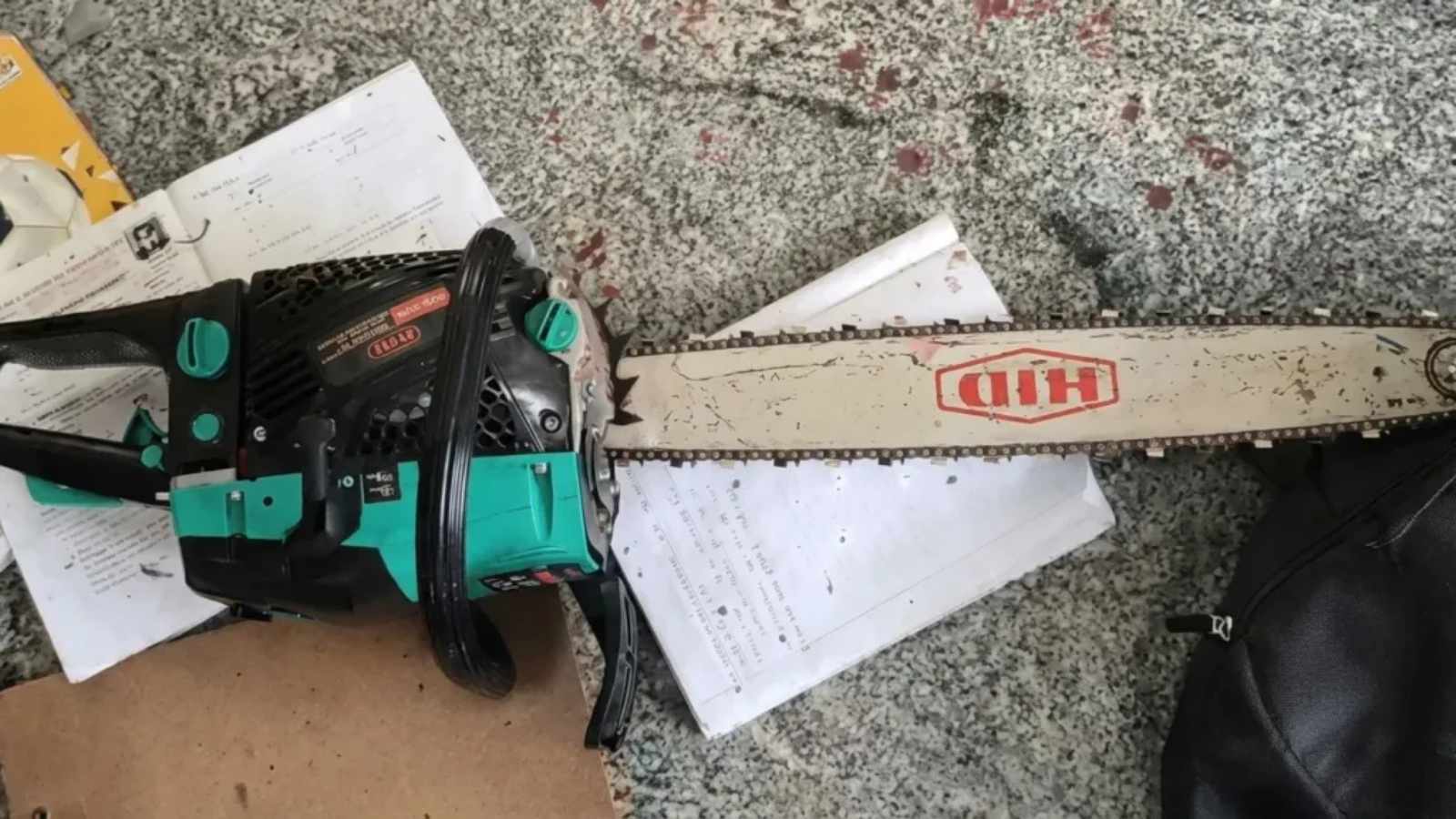
A 14-year-old student is in critical condition following a targeted chainsaw attack in Andhra Pradesh. Police have identified the 21-year-old assailant as a relative who stalked the victim, confirming the assault was not a random act.
Analysis of the Targeted Chainsaw Attack in Andhra Pradesh
The Incident and Immediate Aftermath
On October 31, a horrific act of violence unfolded in Andhra Pradesh, leaving a 14-year-old Class 10 student fighting for her life. The victim, who sustained severe injuries, was rushed to Manipal Hospital in Bengaluru, where she underwent emergency surgery and was subsequently placed in the Intensive Care Unit on November 1. A second 14-year-old girl, who was with the primary victim at the time, also suffered significant injuries and is currently receiving medical care at a multi-speciality facility in the Anantapur district.
Investigation Findings: A Premeditated Assault
Police investigations have rapidly shifted the narrative from a potential random act of violence to a calculated, targeted crime. Senior law enforcement sources have confirmed that the 21-year-old assailant was not a stranger to the victims. The attacker, who utilized a chainsaw to carry out the assault, was identified as a relative and an acquaintance of the girl. This connection underscores the disturbing nature of the crime, as authorities emphasize that the suspect specifically chose his target, indicating a degree of premeditation.
Patterns of Stalking and Targeted Violence
Evidence gathered by investigators suggests that the attack was preceded by a period of stalking. The suspect had reportedly monitored the 14-year-old student for days prior to the incident, demonstrating a clear intent to inflict harm. This pattern of behavior is a hallmark of domestic or acquaintance-based violence, where perpetrators often escalate their harassment before committing physical acts of aggression. The fact that the assailant was a relative highlights the vulnerability of victims even within their own social or familial circles.
Broader Implications for Public Safety
This incident has sparked significant concern regarding the safety of minors and the rising trend of targeted violence against young women in the region. The use of a specialized tool like a chainsaw suggests an extreme level of aggression and planning. The case serves as a grim reminder of the necessity for robust monitoring of harassment and stalking behaviors before they culminate in life-threatening physical violence.
Future Trends and Legal Recourse
As the victims continue their recovery, the legal system must now focus on ensuring justice. The specificity of the suspect's identification—as both a relative and a stalker—will likely play a central role in the prosecution's case. Moving forward, the incident is expected to fuel broader discussions on the enforcement of anti-stalking laws and the protection of students from familiar individuals who pose a threat. The community and legal authorities are now tasked with addressing the systemic failures that allowed this stalking behavior to progress into a brutal physical attack.