Five big challenges facing Andy Burnham - and how he might tackle them
Source Entity
BBC News
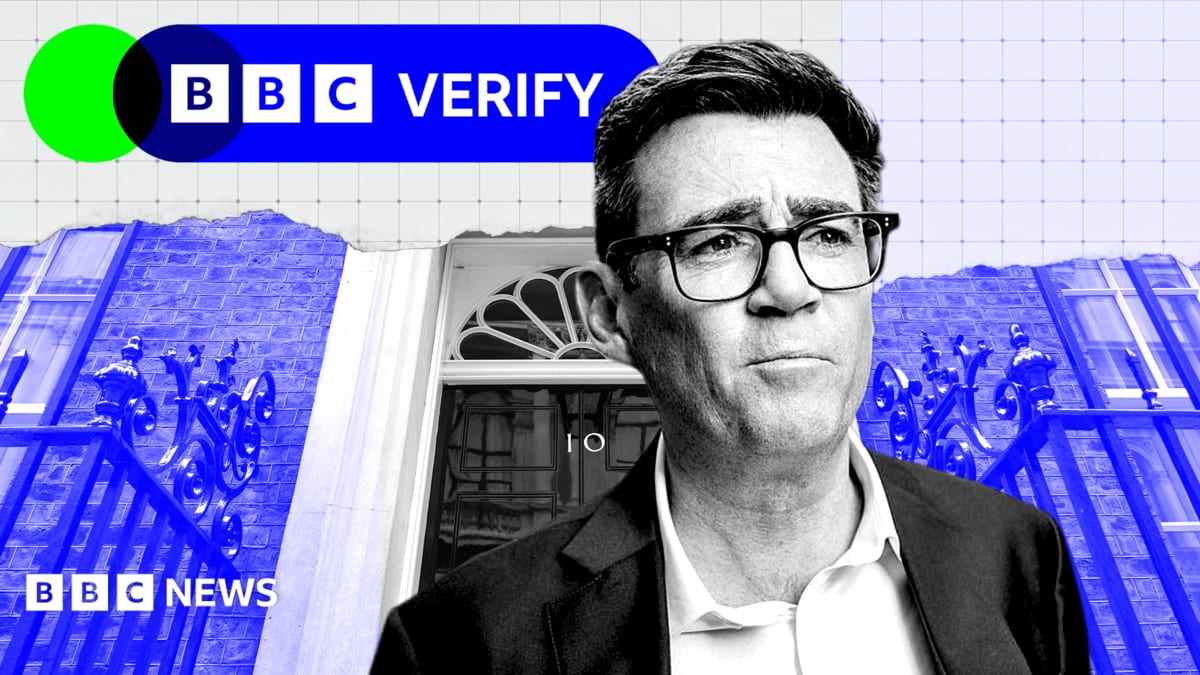
Andy Burnham faces the persistent challenge of reforming England's underfunded social care system. With millions experiencing unmet needs, the debate centers on finding sustainable funding models that avoid unfair financial burdens on homeowners.
The Crisis of Social Care in England
The social care system in England currently stands at a critical juncture, defined by systemic underfunding and a delivery model that relies heavily on independent providers rather than the National Health Service (NHS). Andy Burnham, a prominent political figure, has long identified this sector as fundamentally "broken." The reliance on independent entities creates a fragmented landscape where the quality and accessibility of care are often inconsistent, leaving the most vulnerable populations at risk of neglect.
The Scale of Unmet Need
Current data reveals a stark reality: approximately two million older people in England are living with unmet social care needs. Because public funding is strictly means-tested, a significant portion of the elderly population falls through the cracks of the current welfare net. This creates a mounting pressure on families and local authorities, as the demand for care continues to outpace the available state-provided resources.
The Financial Burden of Longevity
One of the most daunting statistics facing the system is that 10% of individuals aged 65 and over will face lifetime care costs exceeding £100,000. This financial reality threatens to deplete the life savings of retirees, often forcing them to liquidate assets to cover basic necessities. Past attempts to mitigate these costs—such as proposals to factor property value into care contributions—have proven highly controversial, as they are perceived as punitive measures against homeowners.
Historical Context and Past Reforms
Andy Burnham’s engagement with this issue is not new; during his tenure as Health Secretary under Gordon Brown, he sought to implement comprehensive reforms. However, these efforts were derailed following the 2010 general election. The complexity of the issue was further highlighted in 2011 by the Dilnot Report, which advocated for a state-funded cap on lifetime care costs to protect citizens from catastrophic financial loss, a recommendation that has remained a centerpiece of the debate for over a decade.
The Political Dilemma of Taxation
To address the funding gap, Burnham has previously proposed utilizing inheritance tax as a vehicle for reform, specifically floating a 10% levy on estates. Yet, this approach faces significant political headwinds. Polling consistently identifies inheritance tax as one of the most unpopular fiscal levers in the public imagination, making it a precarious tool for any politician seeking to build a consensus on social care reform.
Future Trends and Outlook
As the population ages, the pressure on the social care sector will only intensify. Future policy trends will likely continue to grapple with the tension between state responsibility and individual asset contribution. Any successful reform will require navigating the delicate balance of public perception, economic viability, and the urgent necessity of providing a dignified standard of care for the elderly, ensuring that the "broken" system of today can be transformed into a sustainable model for tomorrow.