No NDA Entry Without Merger: Sources On BJP's Plan For Sharad Pawar's NCP
Source Entity
NDTV News Search Records Found 1000
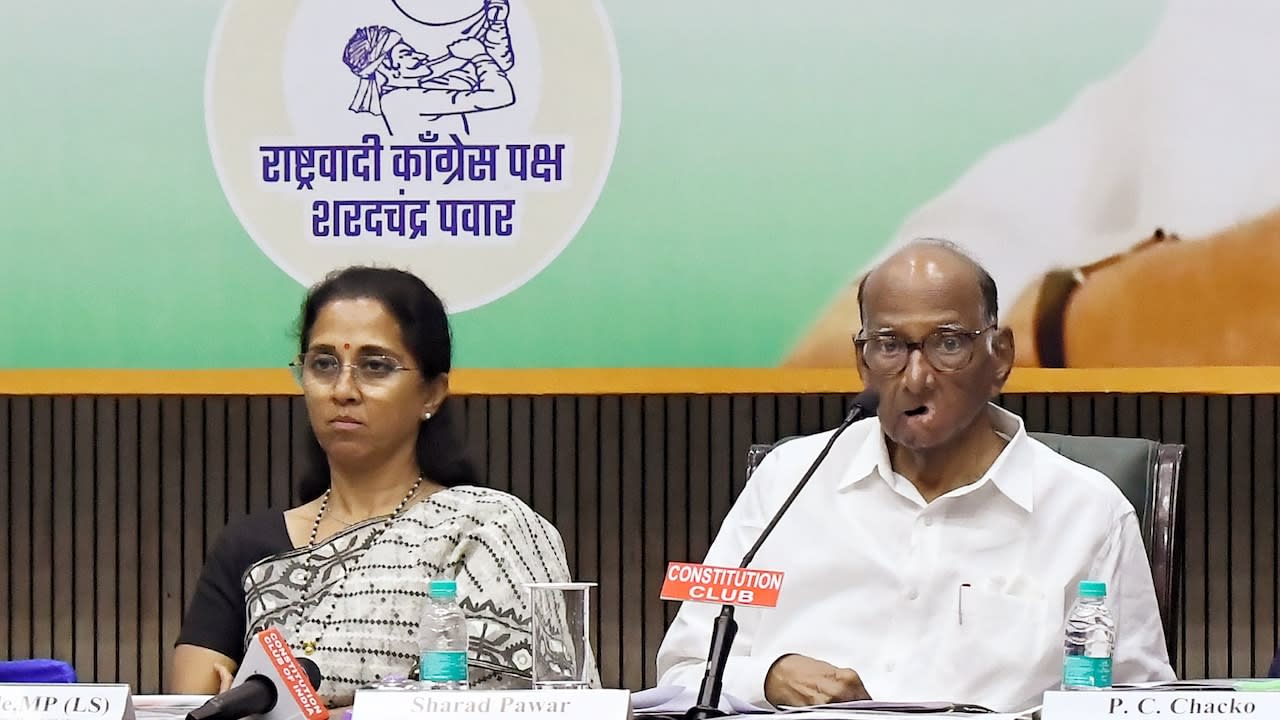
The BJP has clarified that it will only accept the NCP into the NDA if the party reunifies, prioritizing the stability of its existing alliance with the Shinde-led Shiv Sena and Ajit Pawar's faction. This strategy aims to secure the two-thirds majority required for the upcoming Constitutional amendment on delimitation.
Strategic Realignment: BJP’s Stance on NCP Unity
The political landscape in Maharashtra is currently defined by a complex maneuvering strategy orchestrated by the Bharatiya Janata Party (BJP). Amidst swirling rumors regarding the potential shift of Sharad Pawar’s Nationalist Congress Party (NCP-SP) toward the National Democratic Alliance (NDA), the BJP has issued a definitive stance: any inclusion of the NCP into the NDA must occur through a unified party structure. This message is not merely a preference but a calculated move to preserve the internal equilibrium of the Mahayuti alliance.
Protecting the Mahayuti Alliance
At the core of this directive is the BJP’s commitment to its current partners, specifically the Shiv Sena led by Eknath Shinde and the NCP faction headed by Ajit Pawar. Senior BJP leadership has emphasized that they will not entertain any deal that compromises the standing or security of these existing allies. By insisting on a 'unified NCP,' the BJP is effectively signaling that it is not interested in destabilizing the current power-sharing arrangement in Maharashtra to accommodate fragmented political entities.
The Arithmetic of Constitutional Amendments
The urgency behind these negotiations is tied directly to the BJP’s legislative agenda in Parliament. The party is aggressively pursuing a two-thirds majority in both Houses to pass a critical Constitutional amendment bill concerning delimitation and the 33 percent reservation for women in the Lok Sabha and State Assemblies. With the NCP-SP holding eight seats in the Lok Sabha and one in the Rajya Sabha, their support becomes a strategic asset for the ruling coalition to ensure the bill clears the required legislative thresholds.
The 'Sharad Pawar' Factor and Fadnavis’s Caution
Maharashtra Deputy Chief Minister Devendra Fadnavis is navigating this delicate situation with a 'wait-and-watch' approach. The political history of Sharad Pawar—a veteran who has historically defied easy categorization—necessitates a cautious strategy. While the BJP is reaching out across ideological divides to build consensus for the delimitation bill, Fadnavis is acutely aware that he must balance these outreach efforts without alienating his primary coalition partners, Sunetra Pawar and the leadership of the Shinde-led Shiv Sena.
Future Implications and Political Stability
This development suggests a shift in how the BJP approaches coalition governance. By mandating a unified party entry, the BJP is prioritizing long-term stability over short-term gains. If the NCP-SP were to join without a merger, it could lead to internal friction within the Mahayuti. Consequently, the BJP’s insistence on unity serves as a safeguard, ensuring that any expansion of the NDA does not come at the cost of the existing coalition's cohesion.
Conclusion
The current political drama in Maharashtra highlights the intersection of legislative ambition and coalition management. As the BJP looks toward the passage of the Delimitation Bill, the path forward remains dependent on whether the rival factions of the NCP can reconcile. For now, the BJP remains committed to a unified approach, ensuring that the political arithmetic of the NDA remains both solid and sustainable as it approaches a critical legislative session.
Multiple Citing Sources
Verification Required?