Govt delays another key report as it seeks opposition support on delimitation Bill
Source Entity
TNN
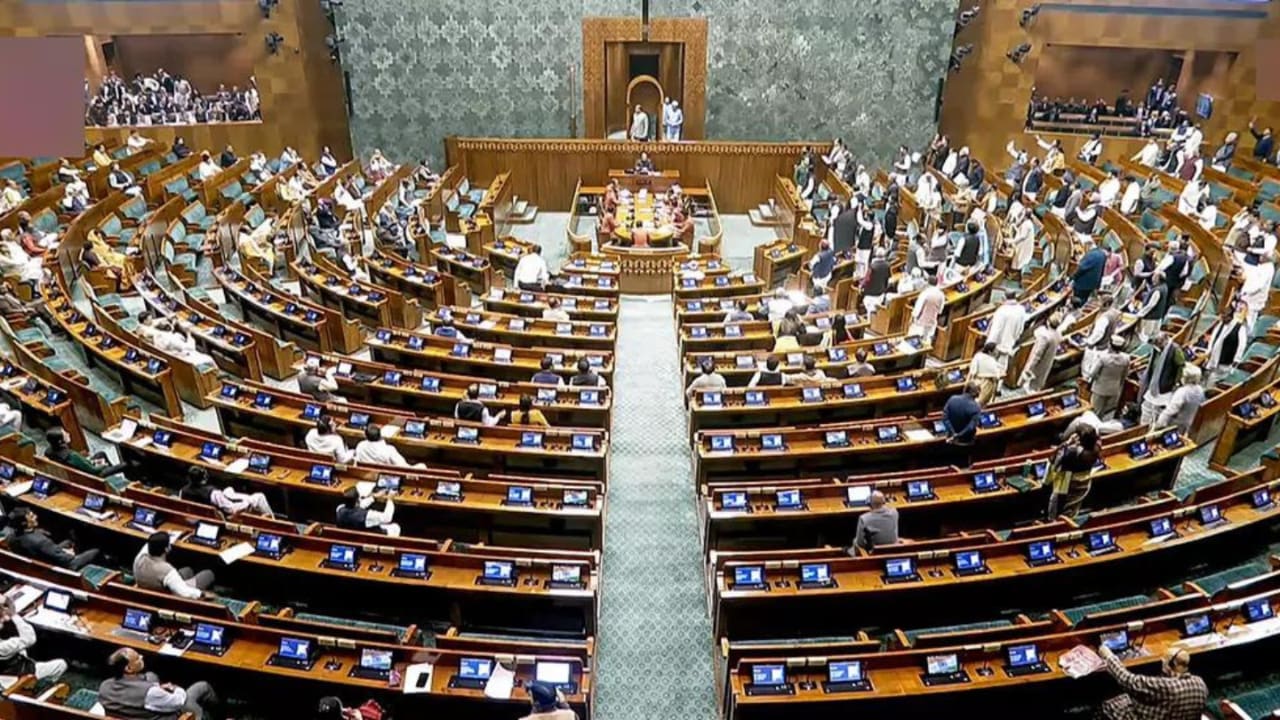
The government has postponed reports on anti-graft and higher education bills to secure opposition support for the Delimitation Bill. This tactical delay occurs amid widespread protests and sharp criticism from the Congress party.
Strategic Legislative Maneuvering: The Trade-off for Delimitation
In a calculated political move, the government has decided to postpone the approval of reports from two key parliamentary committees. This delay specifically affects legislation concerning an anti-graft bill and bills related to a higher education regulator. This is not merely an administrative setback but a strategic pause designed to lower political tensions and create a path for the passage of the Delimitation Bill. By sidelining controversial measures, the government is attempting to engage in a form of legislative horse-trading to secure the necessary support from opposition parties.
The Centrality of the Delimitation Bill
The primary driver behind this postponement is the government's urgent need for opposition backing on the Delimitation Bill. Delimitation—the process of redrawing boundaries of parliamentary and assembly constituencies based on population changes—is one of the most sensitive political exercises in a democracy. Because it can fundamentally alter the electoral map and shift the balance of power between different regions or demographics, it typically requires a high degree of consensus to avoid allegations of gerrymandering or political bias. The government's outreach to the Opposition indicates that the Delimitation Bill is viewed as a priority that outweighs the immediate implementation of other reforms.
Sidelining Controversial Reforms
The bills being delayed—the anti-graft legislation and the higher education regulator bills—have become lightning rods for controversy. Both have faced widespread protests, suggesting that they touch upon sensitive issues of governance, transparency, and academic autonomy. By delaying these reports, the government is effectively removing these volatile topics from the current parliamentary agenda. This strategy suggests that the administration recognizes that pushing these bills through in the face of intense public and political opposition would create a deadlock, potentially jeopardizing the passage of the more critical Delimitation Bill.
The Role of the Opposition and Congress
The Congress party has been vocal in its criticism of the government's handling of these legislative matters. The opposition's critique likely centers on the perceived lack of transparency and the tactical nature of the government's delays. For the Opposition, the government's outreach is a sign of vulnerability or a recognition that the Delimitation Bill cannot be passed unilaterally without risking a significant political backlash. This dynamic creates a complex negotiation environment where the Opposition may leverage their support for delimitation to demand concessions on the anti-graft and education bills.
Implications for the Current Parliamentary Session
Given the current climate of protest and political friction, it is highly probable that the anti-graft and higher education bills will not be presented during the current parliamentary session. This creates a legislative vacuum regarding these specific reforms but serves as a pressure-release valve for the government. The decision to postpone these reports indicates a shift in priority toward constitutional and electoral restructuring over domestic regulatory reforms, reflecting a broader strategy of securing structural wins before tackling polarising policy changes.
Historical Context of Legislative Delays
Historically, governments often use the postponement of contentious bills to manage parliamentary volatility. When a government faces a divided house or significant street protests, the 'delay and negotiate' tactic is common. In this instance, the government is leveraging the high stakes of the Delimitation Bill to buy time. By removing the immediate catalysts for protest (the education and graft bills), the government hopes to clear the legislative runway for its most ambitious electoral project.
Conclusion and Future Outlook
Ultimately, the government's decision to delay key reports is a pragmatic response to political resistance. While this may resolve the immediate hurdle of passing the Delimitation Bill, it does not erase the underlying opposition to the anti-graft and education reforms. Once the Delimitation Bill is settled, the government will eventually have to confront the widespread protests and the Congress party's criticisms. The success of this strategy depends on whether the Opposition views the Delimitation Bill as a fair process worth supporting in exchange for the government's current legislative restraint.