'Intend to work with PM Modi': Ex-TMC leader Kakoli announces NDA entry with 20 MPs
Source Entity
TOI NEWS DESK
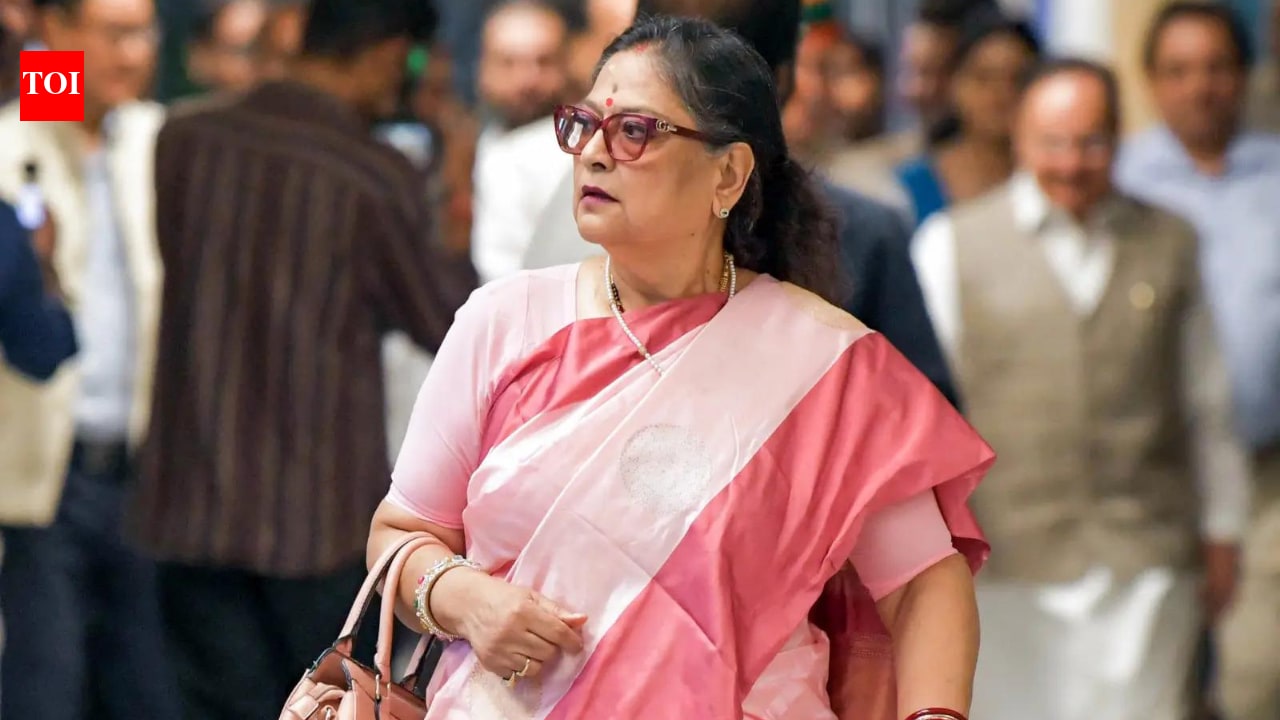
Opposition parties staged a symbolic walkout from an all-party meeting ahead of the Monsoon Session to protest the government's invitation to rebel TMC MPs. The rebels claim to have merged with the Nationalist Citizens Party of India (NCPI), a move contested by the Trinamool Congress.
Political Friction Ahead of Monsoon Session: The All-Party Meeting Walkout
On Sunday, July 19, 2026, the political atmosphere in New Delhi reached a boiling point just hours before the commencement of the Parliament's Monsoon Session. An all-party meeting, traditionally convened by the government to outline its legislative agenda and foster consensus, instead became a stage for a high-profile protest. A broad coalition of Opposition parties staged a symbolic walkout, signaling deep-seated resentment toward the government's decision to recognize and invite a breakaway faction of the Trinamool Congress (TMC).
The Catalyst: The NCPI Merger Controversy
At the heart of the dispute is a group of 20 rebel TMC MPs who have announced their merger with the Nationalist Citizens Party of India (NCPI), a relatively obscure, Tripura-based party. The government's decision to extend an invitation to this faction—and the Lok Sabha Speaker's reported approval of separate seating for them—was viewed by the Opposition as an attempt to legitimize a political schism within the TMC. The term "parking place" was used by TMC leadership to describe the NCPI, suggesting that the merger is a tactical maneuver rather than a genuine ideological shift, intended to shield the rebel MPs from disqualification or to gain government favor.
A Unified Opposition Front
The walkout was not an isolated act by the TMC but a coordinated effort by a wide spectrum of Opposition forces. According to Congress MP Jairam Ramesh and TMC MP Mahua Moitra, the protest included the Congress, Samajwadi Party, DMK, Jharkhand Mukti Morcha (JMM), Aam Aadmi Party (AAP), National Conference, various Left parties, and Shiv Sena (UBT). This unity underscores a shared strategic concern among Opposition parties regarding the perceived erosion of party discipline and the government's role in facilitating the splintering of regional powerhouses. While the walkout was symbolic—with leaders returning to the meeting after a few minutes—it served as a formal registration of their dissent.
Procedural Disputes and Parliamentary Legitimacy
A critical point of contention raised during the event involves the official recognition of the merger. Mahua Moitra highlighted a discrepancy between the government's actions and the records of the Lok Sabha table office. Moitra asserted that the official strength of the TMC remains at 28 members, indicating that the merger with the NCPI has not been formally accepted or approved by the Speaker. This procedural gap is central to the conflict: if the merger is not officially recognized by the parliamentary authorities, the invitation to the rebel faction is seen as a premature and politically motivated gesture by the Modi government.
Broader Political Implications
This event reflects a recurring theme in Indian parliamentary politics where breakaway factions seek refuge in smaller, unrecognized parties to maintain their legislative status. The use of a "little known" party like the NCPI as a vehicle for merger suggests a strategy to bypass the strict requirements of the Anti-Defection Law, which typically requires a specific percentage of a party's legislators to merge for the move to be legal. By inviting the NCPI faction to an all-party meeting, the government has effectively granted them a level of political legitimacy that the parent TMC party vehemently disputes.
Conclusion and Future Outlook
The symbolic walkout on July 19 sets a confrontational tone for the upcoming Monsoon Session. The tension between the government's recognition of the NCPI faction and the Opposition's insistence on parliamentary records suggests that the session will be marred by disputes over seating arrangements and the legitimacy of member representation. As the government attempts to push its legislative agenda, it must now navigate a fragmented and agitated Opposition that is increasingly sensitive to the perceived manipulation of party structures. The resolution of the TMC-NCPI dispute will likely serve as a bellwether for how party splits and mergers are handled in the current legislative cycle.
Multiple Citing Sources