Supreme Court To Hear Centre's Plea On Overseas Visa Services Tender Tomorrow
Source Entity
NDTV News Search Records Found 1000
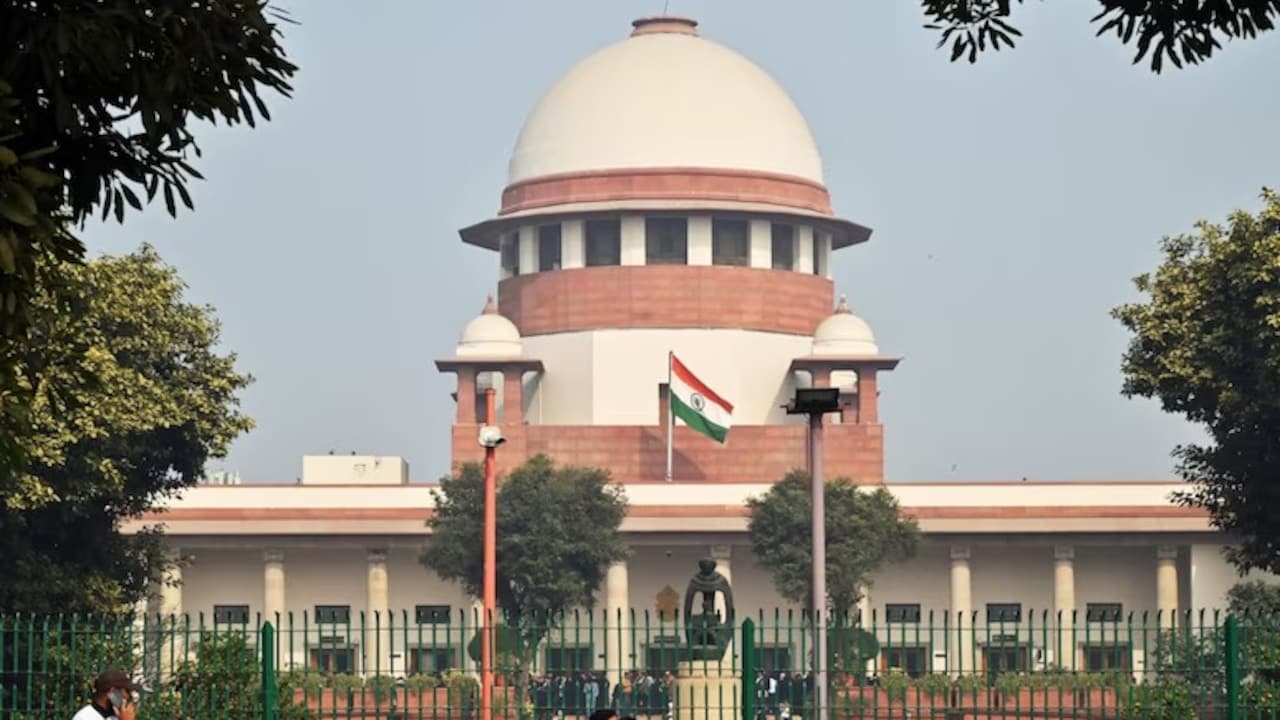
The Supreme Court is set to hear a plea from the Centre challenging a Delhi High Court ruling regarding overseas visa services tenders. This legal dispute carries significant implications for the administration of international travel documentation and government procurement processes.
Legal Confrontation Over Visa Services
The Supreme Court of India is scheduled to hear a crucial plea filed by the Centre, which seeks to challenge a recent verdict delivered by the Delhi High Court concerning the tender process for overseas visa services. At the heart of this legal battle lies the administrative framework governing how the Indian government manages its visa outsourcing operations, a sector that is vital for maintaining diplomatic relations and facilitating international travel for millions of citizens and foreign nationals alike.
The Context of the Dispute
The dispute originates from the Delhi High Court’s intervention in the tendering process, which prompted the central government to approach the apex court for relief. Tendering for government services of this magnitude is a highly regulated process, and any judicial intervention at this stage can lead to systemic delays in the issuance of visas. The government's decision to escalate the matter to the Supreme Court highlights the critical nature of these services, as any disruption in the visa processing pipeline could have a cascading effect on global mobility and consular operations.
Administrative and Economic Implications
Visa services are not merely administrative tasks; they are essential components of national security and international commerce. The outsourcing of these services involves complex logistical requirements, data security protocols, and strict adherence to government mandates. By challenging the High Court's verdict, the Centre is asserting its prerogative in deciding the terms and conditions of its procurement contracts, which are designed to ensure that service providers meet rigorous standards of efficiency and reliability.
The Role of the Judiciary in Procurement
This case underscores the delicate balance between judicial oversight and executive authority in matters of public procurement. The judiciary often intervenes in tender disputes to ensure transparency, fairness, and non-discrimination, preventing potential monopolistic practices or arbitrary decision-making. However, the government frequently argues that such interventions can hamper the speed and efficacy of administrative decision-making, particularly when the services involved are of national importance.
Historical Precedents and Future Trends
The Supreme Court’s upcoming hearing will likely serve as a litmus test for how courts balance commercial fairness with administrative necessity in government contracts. Historically, the apex court has often prioritized the state’s need for operational continuity in matters involving international obligations. As the global demand for Indian visas continues to grow, the outcome of this case will likely set a precedent for future government tenders, potentially influencing how the state structures its partnerships with private entities for public service delivery.
Conclusion
As the hearing approaches, all eyes remain on the Supreme Court to see how it resolves this standoff. The resolution will not only impact the specific visa services tender in question but will also provide clarity on the limits of judicial intervention in executive procurement policies. Ensuring a stable and efficient visa processing system remains a top priority for the state, making this legal development a significant event in the current administrative landscape.
Verification Required?