Andy Burnham wants to get closer to the EU - but he shouldn't expect a smooth ride
Source Entity
BBC News
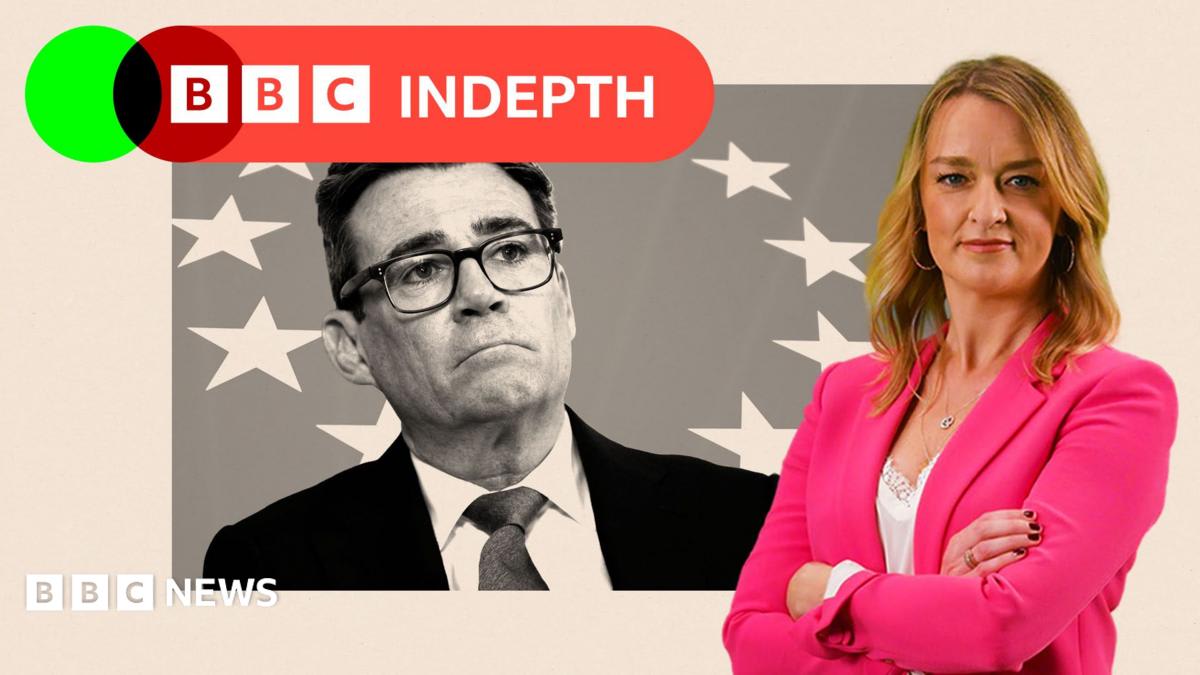
Andy Burnham and the UK government are pursuing closer alignment with the EU through a new trade and cooperation agreement. While negotiations are nearing completion, significant political and structural hurdles remain before a finalized deal can be implemented.
The Path Toward Closer UK-EU Alignment
As the United Kingdom navigates the post-Brexit landscape, recent discussions involving figures like Andy Burnham and Prime Minister Keir Starmer highlight a strategic shift toward seeking a closer relationship with the European Union. The current administration appears focused on rectifying the economic friction caused by the initial departure, aiming for a structured agreement that facilitates smoother trade and cooperation. This shift represents a pragmatic evolution from the initial post-referendum period, moving away from rigid separation toward a more collaborative framework.
The Mechanics of the Impending Agreement
The negotiations, which have been ongoing for several months, are reportedly in the final stages, with insiders suggesting they are '90% there.' This progress is significant, as it indicates a convergence of interests between London and Brussels. The proposed deal focuses on targeted areas of economic necessity: easing regulatory burdens for food producers to stabilize supply chains and establishing a framework for emissions trading to support the UK’s manufacturing sector. These technical agreements are designed to provide tangible relief to industries that have struggled under the existing trade arrangements.
Navigating Political Upheaval and Delays
Despite the clear outlines of a new agreement, the process has been far from straightforward. Political instability and shifting priorities have repeatedly pushed back timelines, with missed windows in May and July. These delays are emblematic of the broader challenges inherent in renegotiating complex international treaties. Even with the political will from the current government to pursue 'closer alignment,' the reality of bureaucratic inertia and the need for consensus among EU member states suggest that the finalization of these terms will require continued diplomatic pressure.
The Youth Mobility and Diplomatic Landscape
Beyond trade, the discussion includes new arrangements for youth mobility, a critical component for fostering future cultural and professional ties. However, proponents of this closer alignment, including Andy Burnham, must manage expectations. While the government is eager to frame these developments as a success, there is a clear understanding that any move toward integration with the EU will face scrutiny from domestic skeptics and require careful navigation of the EU’s own regulatory requirements.
Future Implications and Strategic Outlook
As the UK moves toward this new agreement, the focus will inevitably shift to how these changes impact the broader economic trajectory of the country. By prioritizing alignment in specific sectors, the government is attempting to mitigate the long-term costs of Brexit without necessarily triggering a full-scale political debate over rejoining the bloc. This incremental approach—focusing on 'making life easier' for producers and manufacturers—is a calculated strategy to demonstrate the benefits of cooperation before pursuing deeper institutional ties.
Conclusion: A Measured Approach
Ultimately, the path toward a new UK-EU agreement is a testament to the enduring necessity of cross-border cooperation. While the government’s efforts to improve the current deal are significant, the journey ahead remains complex. Success will depend not only on the finalization of the remaining 10% of the agreement but also on the government's ability to maintain political momentum in the face of inevitable domestic opposition and the intricate requirements of European diplomacy.