'National interest before anything else': New UK PM Andy Burnham willing to call out Trump
Source Entity
Latest News: Todays Latest News Headlines from India & World | Hindustan Times | Hindustan Times
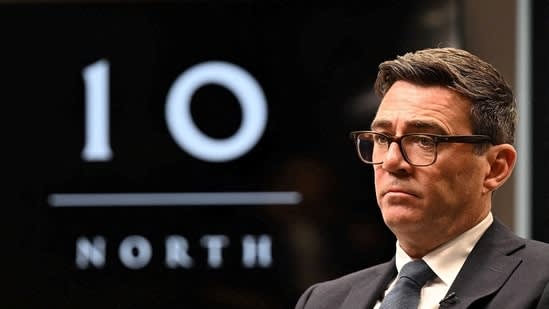
Newly appointed UK Prime Minister Andy Burnham has pledged to prioritize British national interests, signaling a willingness to confront U.S. President Donald Trump when necessary. Despite a positive initial rapport, Burnham remains cautious regarding policy disagreements, including defense spending and foreign conflicts.
A New Chapter in the Special Relationship
Newly appointed UK Prime Minister Andy Burnham has set a clear tone for his premiership, emphasizing that the protection of British national interests will supersede diplomatic niceties in his dealings with U.S. President Donald Trump. Following a successful initial phone exchange described by both leaders as productive, Burnham has signaled a pragmatic approach to the trans-Atlantic alliance, balancing the necessity of a strong partnership with the United States against the sovereign requirement to dissent when policy priorities diverge.
Prioritizing National Sovereignty
In his debut major interview with the BBC, Burnham underscored that his leadership style—rooted in his connection to the public—will define his foreign policy. By explicitly stating that he would be prepared to "call out" the U.S. President if the situation demands it, Burnham is establishing an early boundary. This stance reflects a broader shift in UK governance, moving toward a more assertive definition of national interest that distinguishes the UK's strategic requirements from the political agendas of its closest international allies.
The Shadow of Predecessor Tensions
The context of this relationship is heavily influenced by the tenure of Burnham's predecessor, Keir Starmer. Starmer’s "fraught" history with Trump, characterized by fundamental disagreements over the U.S.-Israeli conflict involving Iran, energy policy, and regulatory approaches to technology, provides a cautionary tale for the new administration. Burnham’s acknowledgement of his "concern" regarding the conflict with Iran demonstrates that while he values the "warm" start to his dialogue with Trump, he is unlikely to abandon core British policy positions to maintain a superficial harmony.
Domestic Challenges and Defense Spending
The path forward is further complicated by internal economic and security pressures. Burnham faces significant scrutiny regarding the UK's defense budget, specifically the controversial target of allocating 3% of GDP to military spending. The recent resignation of Chancellor John Healey, who cited the 2030 deadline for this spending as a prerequisite for national safety, highlights a potential fracture within the government's fiscal planning. Burnham’s refusal to commit to a firm timeline for this 3% target suggests a government currently grappling with the difficult balance between military capability and domestic economic stability.
Future Trends in Trans-Atlantic Diplomacy
As the administration looks toward 2029—the year Burnham has set as the earliest for a general election—the UK-U.S. dynamic will likely fluctuate based on individual policy clashes. While Trump has moved from labeling Burnham as "extremely liberal" to acknowledging a "good conversation," the stability of this relationship will depend on how Burnham navigates high-stakes global issues. His stated commitment to "defend your own national interest before anything else" suggests a leader who intends to be a partner rather than a subordinate, marking a significant evolution in how the UK engages with the current U.S. administration.
Verification Required?