Dylan Mulvaney remark draws Kaitlan Collins' jibe at Trump; sparks row online: ‘Implies trans women inferior…’
Source Entity
Latest News: Todays Latest News Headlines from India & World | Hindustan Times | Hindustan Times
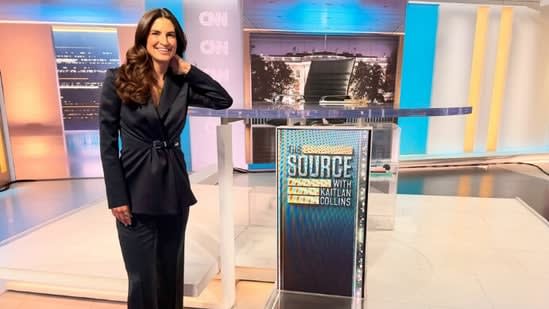
CNN's Kaitlan Collins responded to a personal jab from Donald Trump at the White House Correspondents' Dinner involving Dylan Mulvaney. The exchange has ignited a significant online debate regarding gender, media conduct, and political rhetoric.
The WHCD Clash: Rhetoric and Response
The annual White House Correspondents' Dinner (WHCD) is historically intended as a forum for lighthearted banter between the press and the political establishment. However, the recent exchange between President Donald Trump and CNN reporter Kaitlan Collins has transcended traditional norms, evolving into a broader discourse on political decorum and the intersection of media and cultural politics. During the proceedings, Trump targeted Collins with a comment comparing her to transgender activist and actor Dylan Mulvaney, specifically referencing the 2023 Bud Light partnership that became a lightning rod in American culture wars.
The Anatomy of the Attack
Trump’s remarks, which sought to mock Collins by suggesting she had secured a sponsorship deal similar to Mulvaney's, were perceived by many as an attempt to weaponize the controversy surrounding the Bud Light campaign. By invoking Mulvaney’s name in a disparaging context, the former President sought to leverage existing societal divisions regarding transgender visibility. This tactic is consistent with a broader political strategy that uses high-profile media figures and cultural controversies to rally specific voter bases, often at the expense of professional decorum.
Collins' Strategic Rebuttal
In response to the personal nature of the critique, Kaitlan Collins utilized social media to issue a measured retort. By posting a famous quote by Eleanor Roosevelt—"No one can make you feel inferior without your consent"—Collins effectively framed the narrative around personal agency and dignity. This subtle move sought to rise above the personal nature of the attack, positioning the journalist as a figure of resilience rather than a participant in the mud-slinging that characterized the initial comment.
The Online Firestorm and Implications
The reaction to the exchange was immediate and polarized. Supporters of Collins, such as Spencer Hakimian, lauded her restraint and the message of self-worth embedded in her response. Conversely, the remark sparked a broader row online, with critics debating the implications of the President’s language. Many argued that the comparison implied that trans women are inherently inferior, turning what was framed as a joke into a deeper commentary on how trans identity is treated in national political discourse.
Cultural Politics in the Digital Age
This incident highlights how effectively cultural flashpoints—such as the Bud Light controversy—are now integrated into the highest levels of political communication. By referencing a brand-specific cultural struggle, the rhetoric becomes more than just a personal jab; it serves as a signal to an audience already familiar with the underlying culture war. The rapid spread of this exchange across digital platforms underscores the volatility of modern political discourse, where a singular remark at a formal dinner can instantly mutate into a multifaceted debate on identity, gender, and the role of the press.
Conclusion: The Future of Political Discourse
As political figures continue to utilize social media to bypass traditional media filters, the nature of these exchanges will likely remain contentious. The clash between Trump and Collins serves as a microcosm of the current American political climate: highly personalized, deeply divisive, and inextricably linked to broader cultural battles. Moving forward, the effectiveness of such "subtle jabs" versus direct, dignified responses will likely continue to be a subject of intense scrutiny by media analysts and voters alike.
Verification Required?