From white in winter to brown in summer: 5 animals that change colour with the seasons
Source Entity
The Indian Express
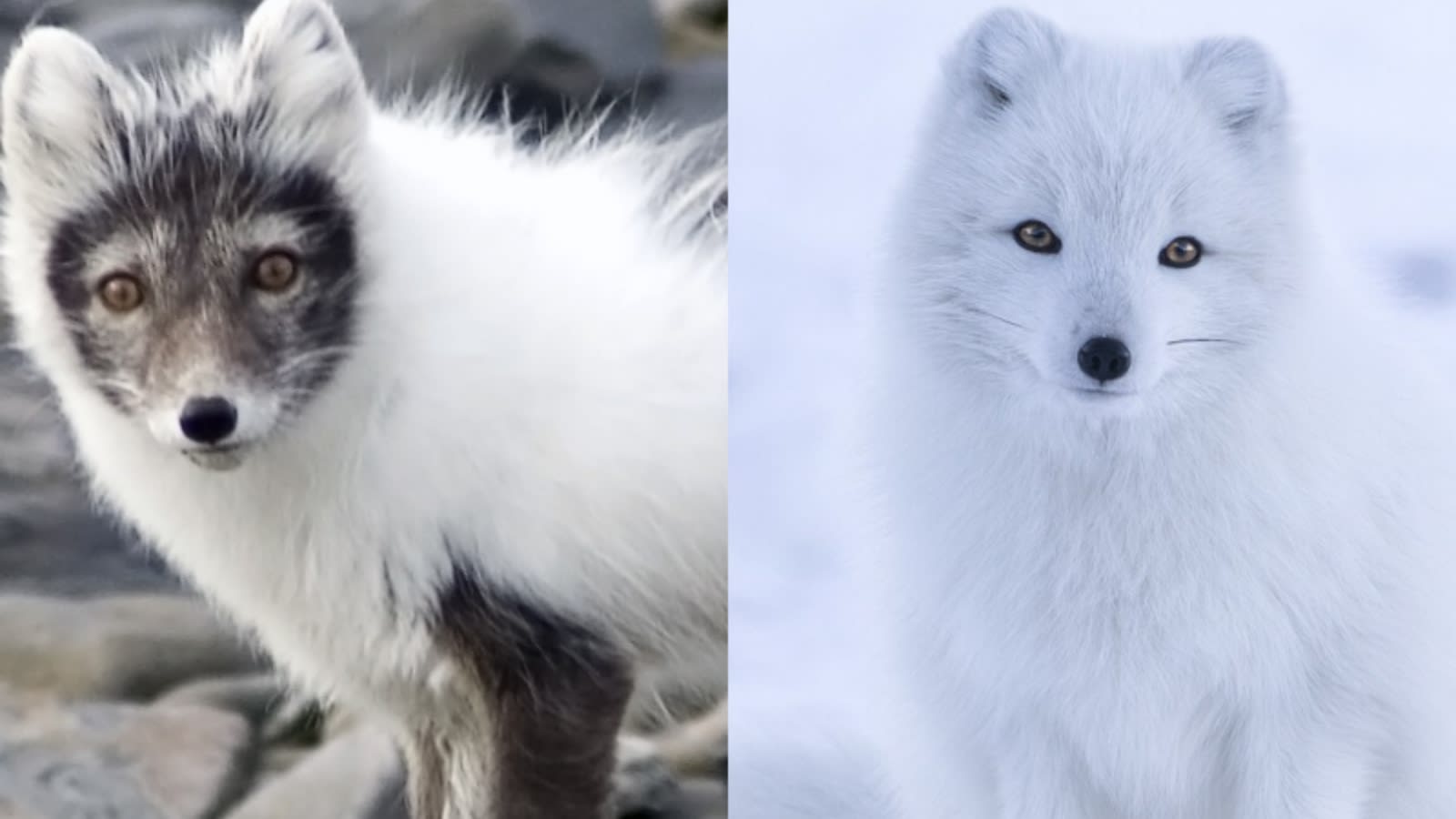
Seasonal camouflage is a remarkable evolutionary adaptation where animals alter their coat or feather color to match changing environments. This mechanism is crucial for survival, enabling species to evade predators and hunt effectively across varying landscapes.
The Evolutionary Marvel of Seasonal Camouflage
Nature exhibits a profound capacity for adaptation, and perhaps one of the most visually striking examples is the phenomenon of seasonal color change. As the Earth tilts on its axis, causing dramatic shifts from the verdant greens of summer to the stark, snow-covered landscapes of winter, many species have evolved to alter their external appearance. This process, often referred to as seasonal camouflage or phenotypic plasticity, allows animals to maintain a competitive edge in their respective ecological niches.
The Mechanics of Survival
The primary driver behind this transformation is the fundamental necessity of survival. By transitioning from darker, earth-toned coats or feathers in the warmer months to a stark white during the winter, these creatures can effectively blend into their surroundings. This protective coloration serves a dual purpose: it acts as a form of crypsis to hide from predators, and it provides an advantage for ambush predators that rely on stealth to secure their next meal. Without these adaptive color shifts, many species would be significantly more vulnerable in high-contrast environments.
Ecological Context and Distribution
This fascinating adaptation is most prevalent in regions characterized by extreme climatic fluctuations, such as the Arctic, sub-Arctic, and high-altitude mountain ranges. In these territories, the presence or absence of snow dictates the survival of the fittest. Animals residing in these areas have evolved biological triggers, often linked to photoperiodism—the length of daylight hours—that signal the body to begin shedding old coats or molting feathers in favor of new growth that matches the upcoming season's color palette.
Historical and Scientific Significance
From a biological perspective, seasonal camouflage is a testament to the power of natural selection. Over thousands of years, individuals that were better able to match their environment were more likely to survive and pass on their genetic traits. This evolutionary refinement has resulted in a highly specialized group of animals that effectively 'dress' for the season. This process is not merely cosmetic; it is a complex physiological response that demonstrates the deep integration between an organism's biology and its environment.
Future Trends and Environmental Challenges
As we look toward the future, climate change presents a significant challenge to these species. With shorter winters and reduced snow cover in many regions, the 'mismatch' between an animal's white winter coat and a snowless, brown landscape could lead to increased predation rates. Scientists are closely monitoring how these species will adapt if the pace of environmental change continues to outstrip their natural evolutionary responses. Understanding these shifts is crucial for conservation efforts aimed at protecting biodiversity in rapidly changing climates.