A few questions for the guy who went snorkeling in a Home Depot retention pond
Source Entity
Hacker News
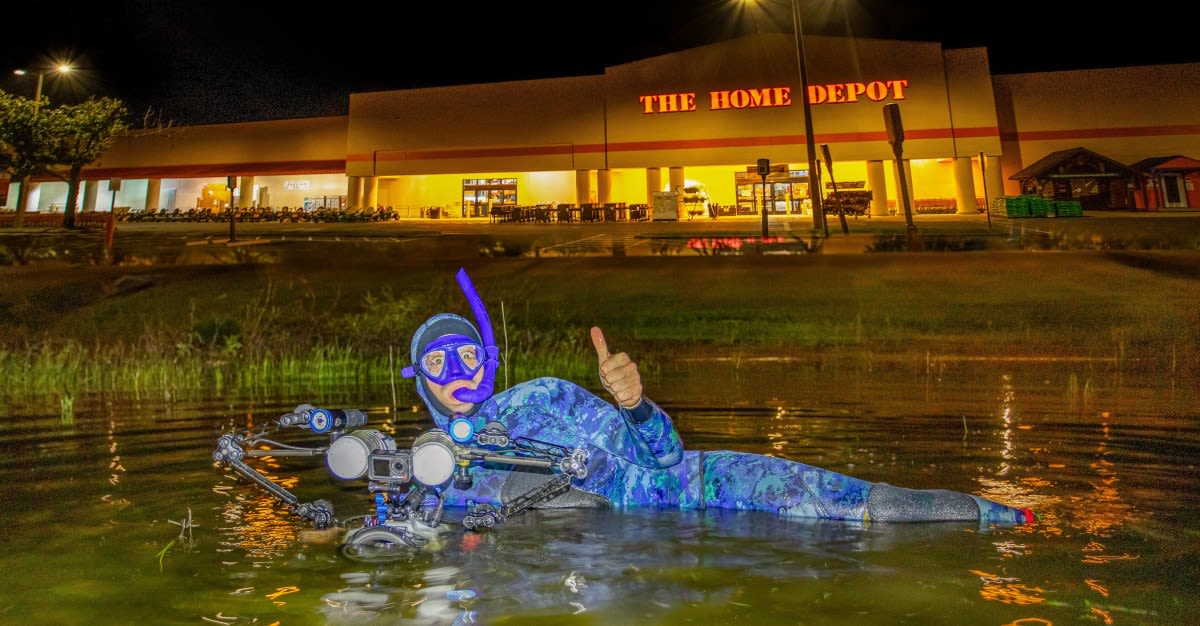
Biologist Joseph Ricketts gained viral attention after filming an underwater exploration of a Home Depot retention pond in Florida. His footage reveals a surprisingly complex ecosystem thriving within urban infrastructure.
The Hidden Ecosystem of Urban Infrastructure
In a viral video that has captivated millions, biologist and content creator Joseph Ricketts challenged the common perception of urban drainage systems. By snorkeling in a retention pond located behind a local Home Depot in Florida, Ricketts revealed that these man-made basins are far more than stagnant puddles of trash and runoff. His footage, which has garnered over 2 million views, serves as a stark reminder that nature often persists in the most unlikely of environments.
Biodiversity in the Anthropocene
Retention ponds are engineered primarily for flood control and water filtration, designed to collect surface runoff from asphalt parking lots and building sites. While these areas are often dismissed as ecological dead zones, Ricketts’ documentation of a water snake and other aquatic life highlights the concept of 'novel ecosystems.' These are environments where human-altered landscapes inadvertently create new niches for wildlife, allowing species to adapt to urban pressures in ways that researchers are only beginning to fully document.
The Intersection of Science and Viral Media
The success of Ricketts' video—titled 'Night Snorkel In a Home Depot Retention Pond'—speaks to a growing public interest in biodiversity loss and environmental science. By utilizing the reach of platforms like YouTube, Ricketts bridges the gap between specialized biological inquiry and mainstream entertainment. This approach democratizes field observation, encouraging viewers to look at their immediate, humdrum surroundings with a sense of scientific curiosity rather than indifference.
Environmental Implications of Urban Runoff
Beyond the intrigue of the video, the presence of life in such ponds raises critical questions about urban water quality. Retention ponds act as the final line of defense for local watersheds, trapping sediment, pollutants, and debris before they reach larger bodies of water. The fact that these ponds sustain complex food webs suggests that they are vital, albeit accidental, components of local biodiversity. Protecting these systems is not just about flood mitigation; it is about managing the unintended habitats we have created.
Future Trends in Amateur Conservation
As climate change and land development continue to shrink natural habitats, the role of these 'unconventional' spaces will likely grow. We may see a rise in 'citizen science' initiatives that catalog the species inhabiting urban infrastructure. Ricketts’ work serves as a blueprint for how amateur naturalists can contribute to the broader scientific understanding of how wildlife navigates a human-dominated world.
Conclusion
The viral nature of this snorkeling expedition is a testament to our innate need to reconnect with the natural world, even in the shadow of big-box retailers. While a Home Depot retention pond may never be considered a pristine habitat, it remains a vibrant, evolving part of the Florida landscape. By documenting these hidden worlds, Ricketts reminds us that nature is not merely 'out there' in protected parks—it is occurring right under our noses in the water we walk past every day.