Interactive: 4 sea turtles nest on India’s shores. Meet them one by one
Source Entity
Nikhil Ghanekar, Chandrashekar Srinivasan
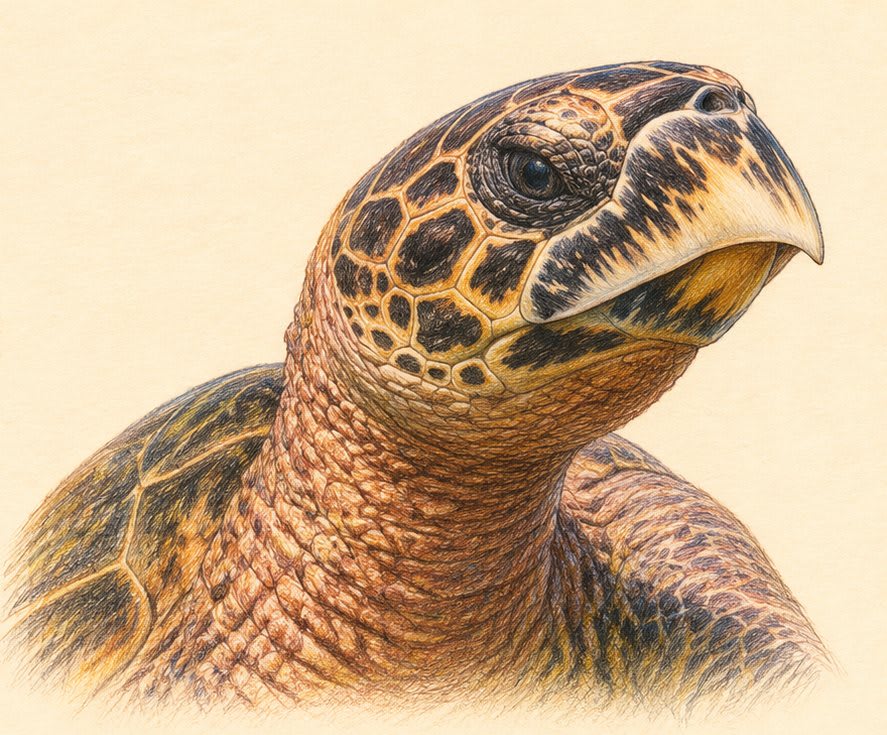
India's coastline serves as a critical nesting ground for four distinct species of sea turtles. These include the olive ridley, green, hawksbill, and leatherback turtles, each playing a vital role in marine biodiversity.
The Silent Guardians of India's Coastline
Every year, the Indian coastline transforms into a vital sanctuary for marine life as sea turtles emerge from the surf to complete their ancient reproductive cycle. Under the cover of darkness, these reptiles navigate onto the beaches, excavating chambers in the sand to deposit approximately one hundred eggs before returning to the ocean. This process, while seemingly routine, is a testament to the resilience of marine species that have inhabited the planet for millions of years.
The Four Nesting Species
India hosts four distinct species of sea turtles that utilize its shores for nesting. The Olive Ridley is recognized as one of the smallest sea turtles in the world and is famous for its mass nesting events. In contrast, the Green turtle stands out as the largest hard-shelled sea turtle. The Hawksbill is noted for being the rarest among the group, while the Leatherback holds the title of the largest sea turtle overall, with its nesting strictly confined to the Andaman and Nicobar Islands.
Reproductive Challenges and Biological Rhythms
One of the most profound aspects of this cycle is the lack of parental care. The mother turtle, having completed the labor-intensive process of nesting, immediately retreats to the sea, never meeting her offspring. This biological strategy places the burden of survival entirely on the hatchlings, who must navigate the treacherous journey from the nest to the ocean once they emerge. This highlights the vulnerability of these species during their most critical developmental stages.
Ecological Significance and Regional Importance
The presence of these four species underscores the ecological richness of the Indian subcontinent. By providing diverse nesting habitats—ranging from the mainland beaches to the remote Andaman and Nicobar Islands—India plays an essential role in the global conservation of these reptiles. Each species occupies a unique ecological niche, and their survival is intrinsically linked to the health of the coastal ecosystems they utilize.
Conservation and Future Outlook
Understanding the nesting habits of these turtles is fundamental to ongoing conservation efforts. As coastal development and environmental changes continue to influence shoreline stability, protecting these nesting sites becomes paramount. The specificity of the Leatherback's nesting grounds, for example, emphasizes the need for localized protection measures to ensure that these ancient creatures continue to thrive in the modern era.