IIT Dharwad scientist helps unravel structure of protein linked to heart disease
Source Entity
India Latest News: Top National Headlines Today & Breaking News | The Hindu
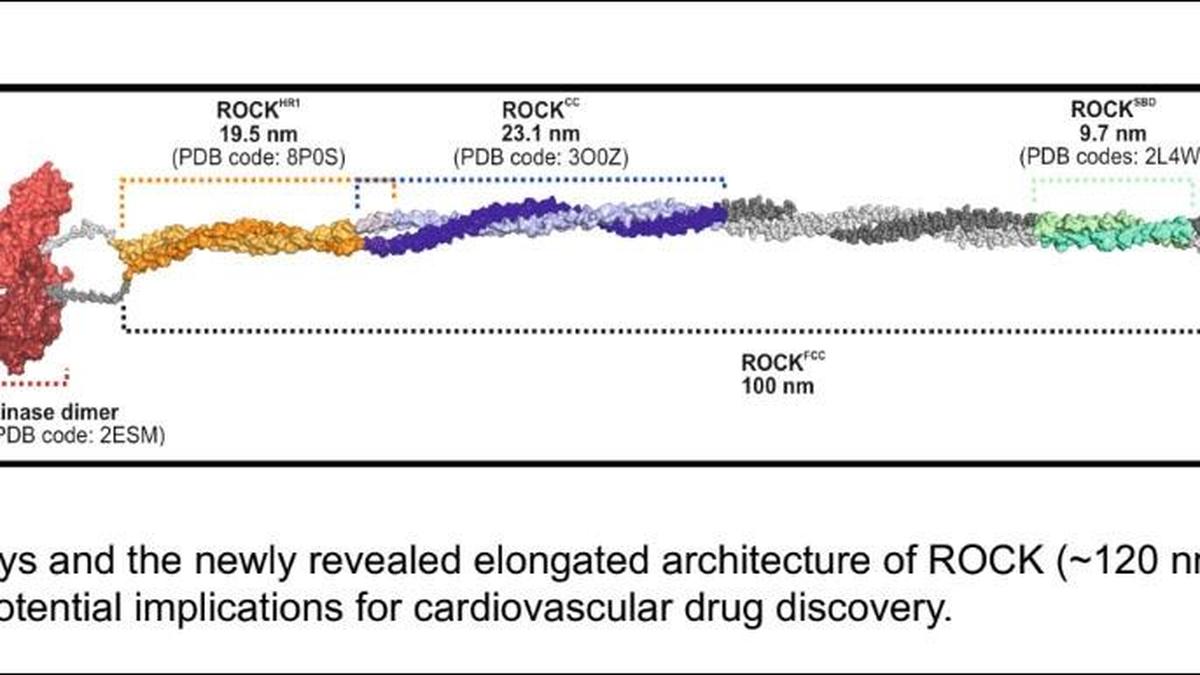
An international research team led by IIT Dharwad's Badri Nath Dubey has successfully mapped the structure of the ROCK protein. This breakthrough, published in Communications Chemistry, provides a vital foundation for developing new therapies for cardiovascular diseases.
Breakthrough in Cardiovascular Research: Unlocking the ROCK Protein
A significant milestone in molecular biology has been achieved by an international research collective led by Badri Nath Dubey of the Indian Institute of Technology (IIT) Dharwad. The team has successfully mapped the structural organization of the Rho-associated coiled-coil-containing protein kinase (ROCK), a protein deeply implicated in the pathology of various cardiovascular disorders. This discovery, published on November 4 in the prestigious Communications Chemistry journal, marks a critical step forward in understanding the fundamental mechanisms that govern heart health at a cellular level.
The Collaborative Nature of Scientific Discovery
This research represents the power of global scientific cooperation, involving 15 authors from diverse and highly respected institutions. Key collaborators included the Heinrich Heine University Düsseldorf, the Max Planck Institute of Molecular Physiology, and the European Molecular Biology Laboratory in Hamburg. By pooling resources and expertise from these world-class facilities, the team was able to overcome the inherent complexities involved in resolving the protein's structure, a task that has historically challenged the scientific community.
Understanding the Role of ROCK
At the core of this study is the ROCK protein, which plays a pivotal role in regulating essential cellular processes. When these regulatory mechanisms are disrupted, they can contribute to the development and progression of cardiovascular diseases. By uncovering the specific structural architecture of this kinase, researchers have provided the scientific community with a clearer 'map' of the protein's functional domains. This structural insight is essential for understanding how the protein interacts with other molecules within the human body.
Implications for Drug Discovery
Perhaps the most exciting implication of this study is its potential impact on pharmacology. Identifying the structural organization of a protein is the primary prerequisite for rational drug design. With this new data, pharmaceutical researchers can now focus on identifying specific drug targets within the ROCK protein structure. The ability to design molecules that bind precisely to these targets could lead to a new generation of therapeutics that are more effective and carry fewer side effects than current cardiovascular treatments.
Future Trends in Heart Disease Treatment
Looking forward, this discovery is likely to catalyze further investigative work into kinase inhibitors. As we gain a more granular understanding of protein structures, the trend in medicine is moving rapidly toward personalized and targeted therapies. The work led by Mr. Dubey and his collaborators provides a robust foundation for these future endeavors, potentially shortening the development lifecycle for new heart disease medications. This study serves as a testament to the increasing role that Indian researchers are playing in solving complex, global health challenges through high-impact, collaborative science.
Verification Required?