'Rahul told us to be ready at 24 hours notice for protest': Anish Gawande
Source Entity
PRISHA PATNAIK
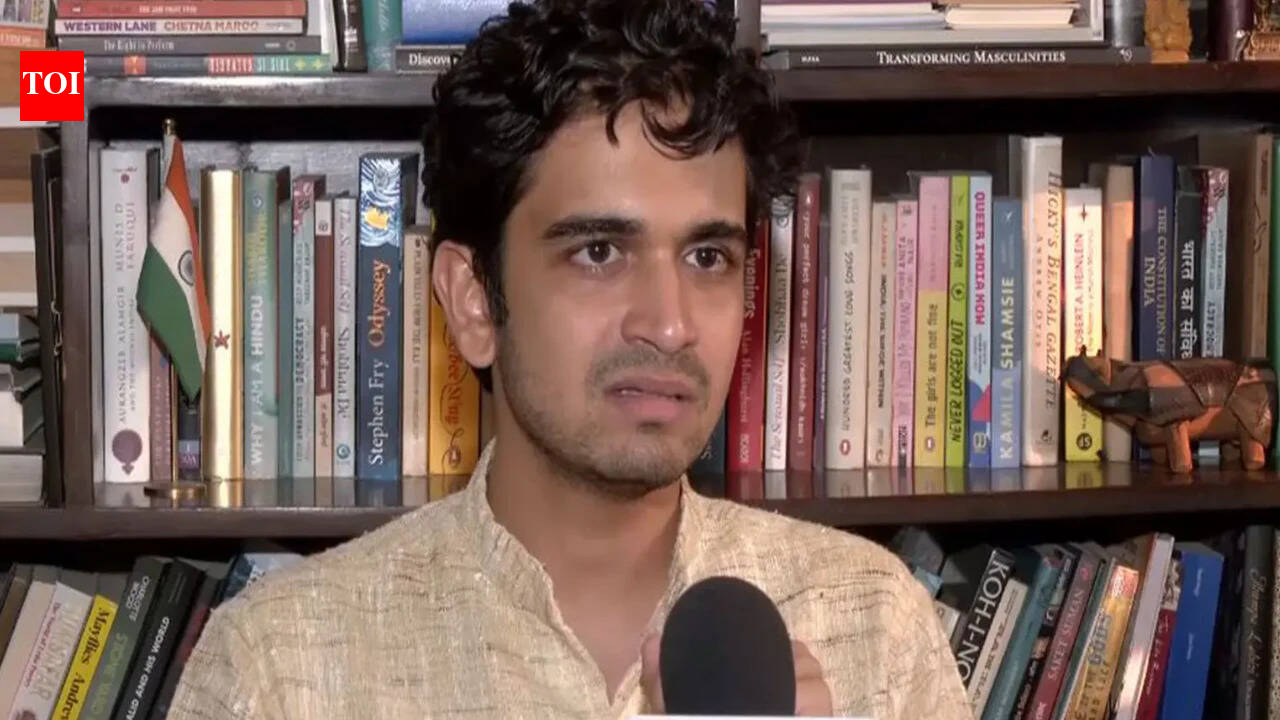
Anish Gawande has criticized the arrest of CJP leaders, citing a directive from Rahul Gandhi to remain prepared for protests on 24 hours' notice. This development underscores the heightened state of political mobilization within the opposition.
Political Mobilization and the Arrest of CJP Leaders
Recent political developments in India have seen a sharp escalation in tensions following the arrest of Citizens for Justice and Peace (CJP) leaders. Anish Gawande, a notable voice within the political discourse, has publicly addressed these events, linking the current climate of activism to strategic directives issued by Congress leader Rahul Gandhi. According to Gawande, Gandhi has instructed his cadre and allied activists to remain in a state of high readiness, specifically prepared to initiate protests on as little as 24 hours' notice.
The Strategic Directive of '24-Hour Notice'
The instruction to maintain a 24-hour mobilization window is a significant tactical shift in how political opposition groups manage their response to state actions. By institutionalizing a rapid-response mechanism, the leadership aims to ensure that any perceived overreach by authorities—such as the arrest of civil society members—is met with immediate, organized, and visible resistance. This approach reflects a broader intent to keep the political temperature high and ensure that the opposition remains agile in the face of legal or administrative challenges.
Contextualizing the CJP Arrests
The arrests of CJP leaders serve as the focal point for this intensified mobilization. These arrests are viewed by opposition figures not merely as isolated legal incidents, but as a broader effort to stifle dissent and challenge the activities of civil society organizations. By framing these arrests as a catalyst for protest, leaders like Gawande are attempting to consolidate public sentiment and rally support around the themes of freedom of speech, organizational autonomy, and the right to peaceful dissent.
Historical Precedents of Grassroots Protest
Historically, Indian politics has often relied on such rapid mobilization to exert pressure on the ruling establishment. From the movements of the late 20th century to contemporary protests, the ability to summon supporters at short notice has been a key metric of a political party's organizational strength. Rahul Gandhi’s directive suggests a return to these traditional methods of mass agitation, signaling an attempt to reclaim the streets as a primary theater for political negotiation and defiance.
Implications for Future Political Trends
Looking forward, this development suggests that the political landscape will likely remain volatile. If the opposition successfully maintains this state of perpetual readiness, we can expect a cycle of frequent, short-notice protests whenever the government takes actions that the opposition deems controversial or punitive. This strategy places significant pressure on administrative and law enforcement resources, forcing a constant state of vigilance and potential confrontation between the state and those protesting its policies.
Conclusion
In summary, the statement from Anish Gawande regarding Rahul Gandhi’s directive highlights an era of heightened political friction. Whether this strategy will lead to substantive policy changes or merely serve to solidify the divide between the government and its critics remains to be seen. However, it is clear that the mandate for 24-hour mobilization is a defining feature of the current opposition strategy, aimed at ensuring that every legal action against their allies is met with a swift and public response.