'Murdering democracy': Opposition slams Centre for the arrest of CJP leaders
Source Entity
PRISHA PATNAIK
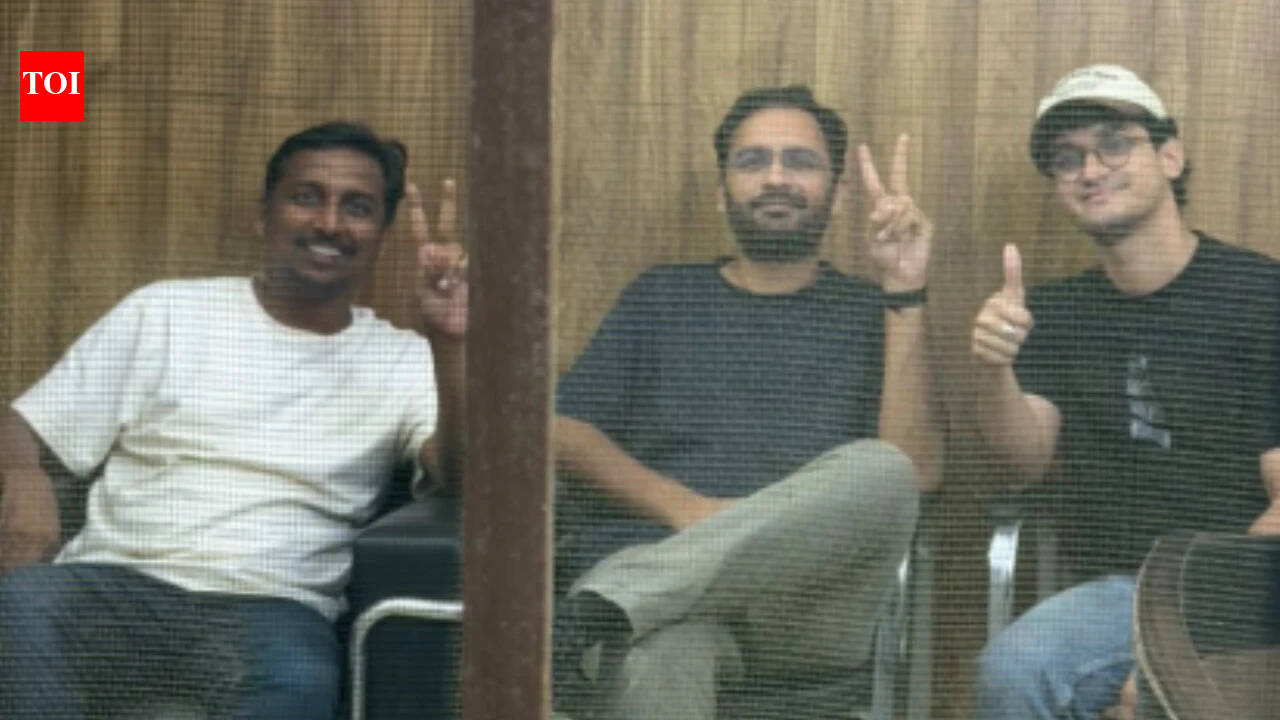
Delhi Police have filed an FIR against Cockroach Janta Party (CJP) leaders for trespassing into the denotified Jantar Mantar protest site. The leaders, including Saurav Das and Ashutosh Ranka, were detained following protests demanding the resignation of CEC Gyanesh Kumar.
Unauthorized Entry and Legal Consequences at Jantar Mantar
The Delhi Police have officially registered a First Information Report (FIR) against leadership figures of the Cockroach Janta Party (CJP), including Saurav Das, Ashutosh Ranka, and national organization in-charge Ajinkya Shinde. This legal action follows the group's unauthorized entry into the Jantar Mantar area, a site that had recently been formally denotified as a venue for public demonstrations. The authorities have explicitly cited trespassing and the violation of a pre-existing peace bond as the primary grounds for the filing.
The Sequence of Events
The confrontation began when CJP members bypassed heavy security barricades by scaling the locked gates of the Jantar Mantar complex. Video evidence shared by Ashutosh Ranka on social media platform X documented the group climbing into the venue before being intercepted by police personnel. Following this breach, the individuals were detained and subsequently moved to the Jaffarpur Kalan Police Station, where security was significantly increased due to ongoing demonstrations by party supporters.
Political Motivations and Demands
The core objective behind the CJP’s actions was to stage a protest demanding the immediate resignation of Chief Election Commissioner (CEC) Gyanesh Kumar. By attempting to occupy a restricted site, the party sought to amplify its voice regarding electoral oversight and institutional leadership. The escalation of this protest highlights the ongoing tension between political activists and the administration regarding the availability of public spaces for dissent in the capital.
Legal Distinctions: Arrest vs. Preventive Detention
A point of contention has emerged regarding the legal status of the detained leaders. While CJP legal affairs head Ratna Singh claimed that Saurav Das, Ashutosh Ranka, and Ajinkya Shinde had been formally "arrested," police officials clarified that the action was a "preventive arrest." The group was slated to be produced before a special executive magistrate, a procedural step typically associated with maintaining public order and ensuring that individuals bound by peace agreements do not incite further disruption.
Implications for Public Order and Protest Sites
This incident underscores the increasingly strict enforcement of site-specific protest regulations in Delhi. When a location like Jantar Mantar is denotified, it effectively removes the legal framework under which groups can assemble, turning any attempt to do so into a criminal trespass issue. The CJP’s decision to challenge this denotification head-on marks a significant escalation in their protest tactics, which may lead to more stringent monitoring of political activities moving forward.
Future Trends in Political Dissent
As political organizations continue to push boundaries regarding protest venues, local authorities are likely to continue relying on peace bonds and preventive detention to manage potential unrest. The outcome of the proceedings before the executive magistrate will set a precedent for how future violations of such bonds are handled. This case serves as a reminder of the delicate balance between the constitutional right to protest and the state's mandate to maintain public safety and order in highly sensitive urban zones.
Multiple Citing Sources