India-US trade deal nearing finish line? What Jaishankar, Piyush Goyal said on talks
Source Entity
KANCHAN YADAV
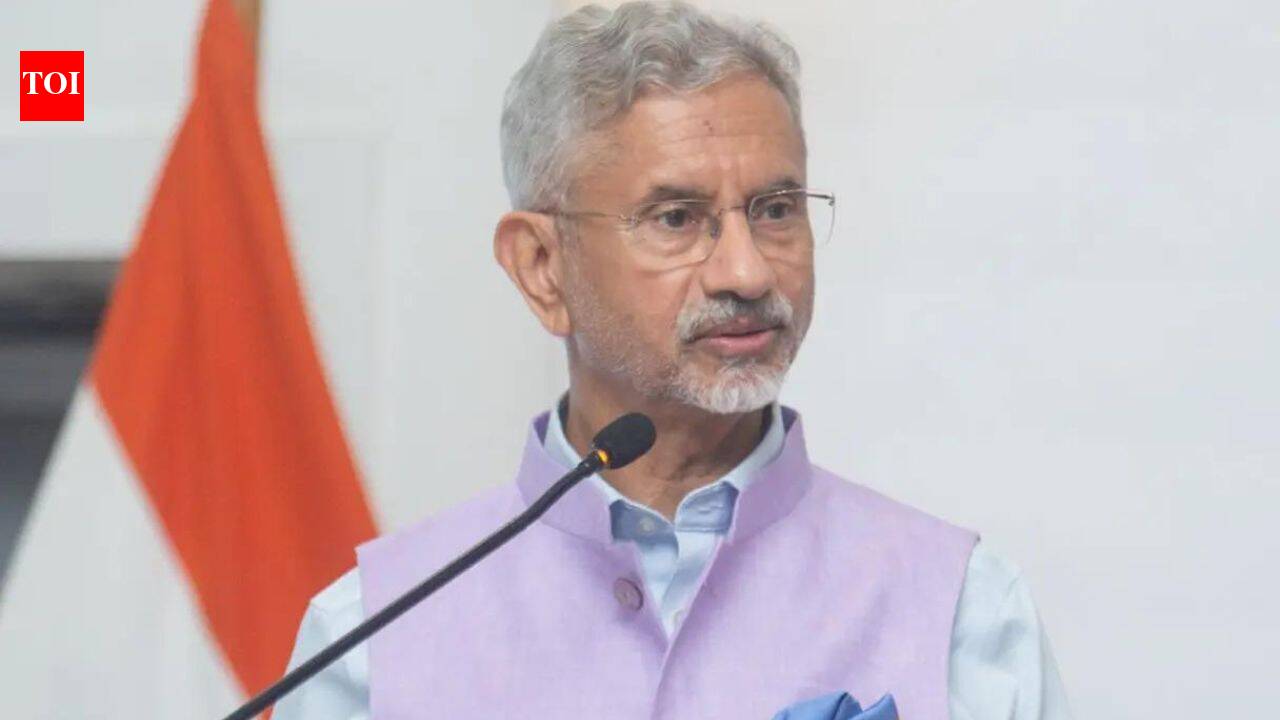
India and the US are actively negotiating a potential trade deal, with officials signaling progress toward a consensus. While strategic ties remain robust, both nations are carefully navigating complex terms influenced by broader global economic dynamics.
The Evolving Landscape of India-US Trade Diplomacy
Recent statements from India’s External Affairs Minister S. Jaishankar and Minister of Commerce and Industry Piyush Goyal suggest that the long-standing efforts to finalize a comprehensive trade deal between India and the United States are entering a decisive phase. While both ministers characterize the bilateral relationship as exceptionally strong, the path toward a formal trade agreement remains nuanced, dictated by the intricate balancing act of national interests and the evolving global economic order.
Strategic Partnerships vs. Formal Alliances
It is essential to contextualize these negotiations within the framework of the broader India-US strategic partnership. As Piyush Goyal noted, while the ties between the two nations are "very good," India maintains a policy of strategic autonomy, explicitly stating that the two nations are not "officially an ally." This distinction is crucial; it allows India to engage in deep economic and defense cooperation with the US while preserving the flexibility to pursue independent foreign and economic policies tailored to its domestic requirements.
The Complexity of Multilateral Negotiations
Minister Jaishankar highlighted a critical reality of modern trade diplomacy: the outcomes for India are inherently linked to the concessions and terms secured by other nations negotiating with the United States. This "landing point" strategy implies that New Delhi is carefully observing how the US structures its trade policies globally, ensuring that any agreement reached is competitive and equitable. This approach prevents India from prematurely committing to terms that might be superseded by more favorable deals elsewhere.
Balancing Domestic Priorities
At the heart of these discussions is the challenge of aligning India’s domestic economic goals with the requirements of the American market. The reticence to "spill the beans" regarding specific negotiation details, as mentioned by Jaishankar at the Bloomberg New Economy Forum, reflects the sensitivity of these talks. Both sides are likely grappling with issues surrounding market access, intellectual property, and tariff regimes, which require significant political capital to resolve.
Future Trends and Economic Integration
Looking ahead, the trajectory of this trade deal will likely serve as a barometer for the depth of the India-US economic corridor. If a "landing point" is achieved, it could catalyze increased foreign direct investment and supply chain diversification, moving beyond traditional trade to deeper technological and industrial integration. However, the success of this endeavor depends on both nations’ ability to navigate the protectionist pressures inherent in their respective domestic political environments.
Conclusion
In summary, while the India-US trade talks are progressing toward a potential resolution, the process remains deliberate and cautious. By prioritizing structural integrity and long-term economic alignment over hasty agreements, both nations are attempting to build a sustainable framework that respects India's strategic autonomy while strengthening the core fundamentals of their bilateral partnership.