‘Targeted for being Hindu’: Intelligence Bureau staffer’s family after Delhi riots verdict
Source Entity
Sakshi Chand
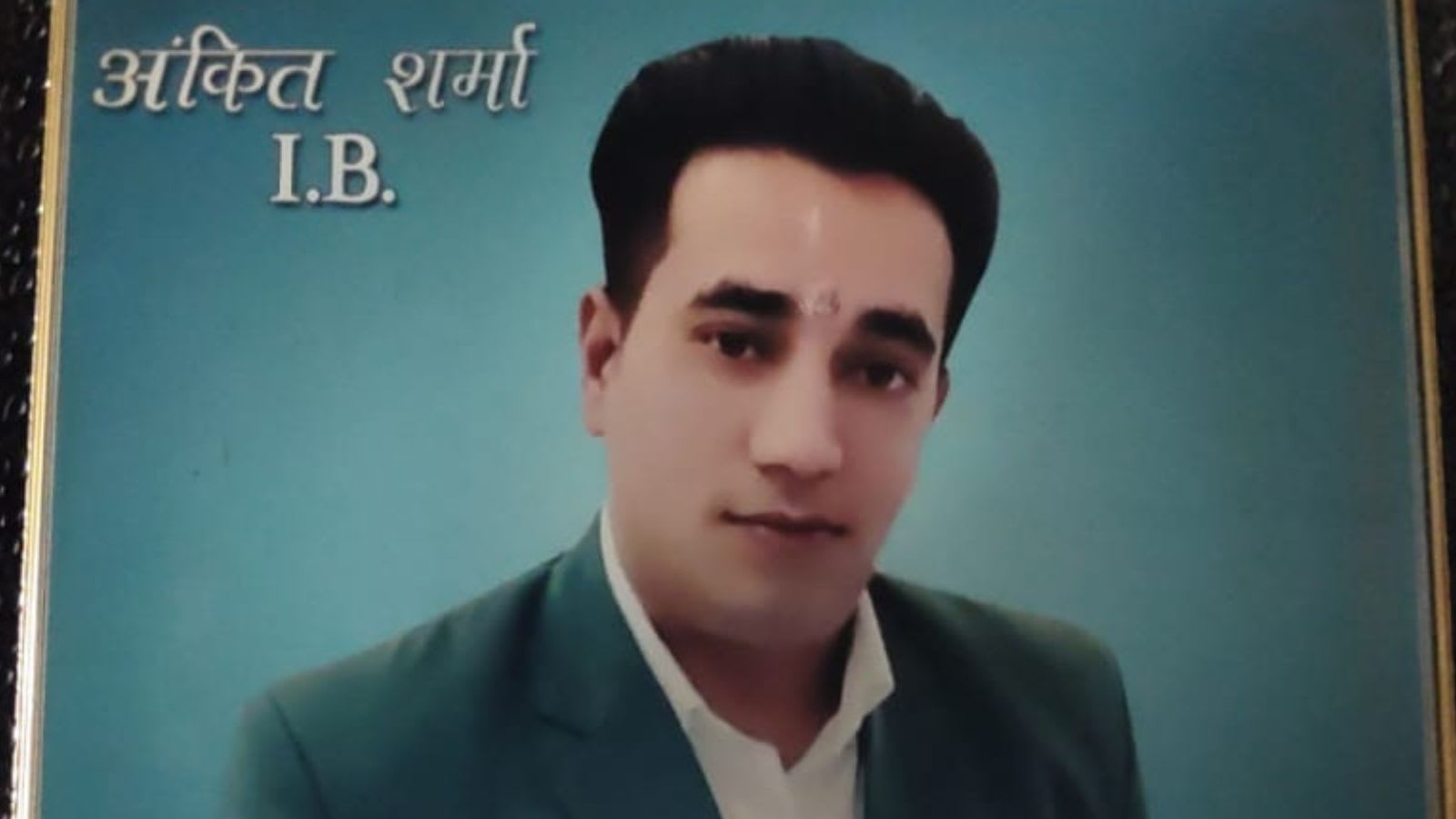
Ankit Sharma’s family no longer lives in the family home in Northeast Delhi’s Khajuri Khas. The drain where the Intelligence Bureau staffer’s body was found six years ago had become a painful reminde...
Justice and Trauma: Analyzing the Aftermath of the Ankit Sharma Verdict
The recent legal developments regarding the death of Ankit Sharma, an Intelligence Bureau (IB) staffer, have reopened deep wounds for a family already scarred by the 2020 Delhi riots. The family's assertion that Sharma was specifically "targeted for being Hindu" underscores the communal polarization that defined the violence in Northeast Delhi. The emotional weight of the verdict is compounded by the fact that the family has been forced to abandon their home in Khajuri Khas, as the physical environment—specifically the drain where Sharma's body was discovered—serves as a constant, harrowing reminder of the brutality he faced.
The Context of the 2020 Delhi Riots
To understand the gravity of this specific case, one must look at the broader context of the February 2020 riots. These clashes were characterized by extreme localized violence, where neighborhoods that had coexisted for decades suddenly became battlegrounds. Khajuri Khas, where Ankit Sharma resided, was one of the flashpoints. The nature of Sharma's death—being murdered and his body dumped in a drain—reflects the visceral and dehumanizing nature of the mob violence that occurred during those days. For the family, the verdict is not just a legal conclusion but a validation of the targeted nature of the attack.
Psychological Displacement and the Loss of Home
One of the most poignant aspects of this report is the family's decision to vacate their family home. This represents a form of "psychological displacement," where the site of a tragedy becomes uninhabitable due to the intensity of the trauma associated with it. When a home, which is supposed to be a sanctuary, is transformed into a place of mourning and fear, the survivors often find it impossible to reclaim their previous lives. The abandonment of the Khajuri Khas residence signifies that while the court may provide legal closure, emotional healing is far more complex and often requires a complete severance from the site of the crime.
Legal Implications and the Pursuit of Accountability
The delivery of a verdict in a high-profile riot case is a critical step in the Indian judicial process, yet it often highlights the agonizingly slow pace of justice. The six-year gap between the crime and the current reactions reflects the systemic delays inherent in processing mass-violence cases where evidence is often contaminated and witnesses are intimidated. The family's reaction suggests that while the verdict may identify perpetrators, it does not necessarily erase the feeling of vulnerability or the belief that the crime was motivated by systemic communal hatred rather than isolated aggression.
Broader Societal Implications
This case serves as a microcosm of the lingering tensions in Northeast Delhi. The narrative of being "targeted" based on religious identity continues to permeate the discourse of the survivors. The inability of the family to return to their home suggests a failure of social integration and a persistent atmosphere of insecurity. It indicates that the scars of the 2020 riots are not merely physical or legal but are deeply embedded in the social fabric, leading to a fragmented community where trust has been completely eroded.
Future Trends in Communal Justice
Looking forward, the Ankit Sharma case will likely be cited in discussions regarding the efficacy of fast-track courts and the necessity of victim rehabilitation programs. There is a growing need for the state to provide not only legal justice but also psychological support and relocation assistance for families displaced by communal violence. If the pattern of "targeted" violence is not addressed through both judicial rigor and social reconciliation, the risk of recurring volatility in these sensitive pockets of the capital remains high.
Conclusion
The tragedy of Ankit Sharma's death and his family's subsequent displacement highlight the enduring trauma of the Delhi riots. While the court's verdict provides a necessary legal accounting, the family's grief and their flight from Khajuri Khas demonstrate that the impact of communal violence extends far beyond the immediate act of killing. True resolution will require more than just convictions; it will require a comprehensive effort to heal the communal divide and restore a sense of safety to the victims.