Anthropic’s Dario Amodei responds: doesn’t oppose open-weight models, but fears Chinese AI
Source Entity
Julie Bort
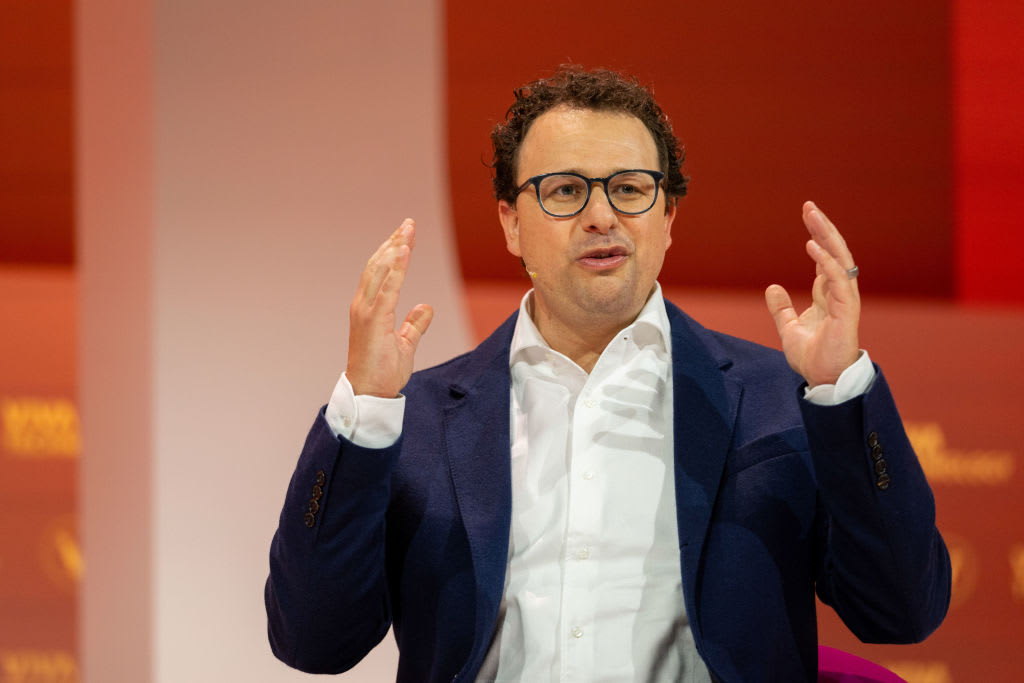
Anthropic CEO Dario Amodei has publicly clarified that the company does not support a ban on open-weight AI models. Instead, he advocates for targeted security measures like restricting chip access and implementing mandatory safety testing for high-capability systems.
Anthropic Clarifies Stance on Open-Weight AI Models
Recent discourse within the artificial intelligence sector has centered on the friction between safety-focused regulation and the open-source movement. Anthropic CEO Dario Amodei recently stepped into this debate to dispel rumors that his company is lobbying for a total ban on open-weight models. These models, which allow users to download and modify software on their own infrastructure, have become a cornerstone of innovation for many developers. Amodei’s clarification serves as a direct rebuttal to critics who questioned why Anthropic was absent from a recent industry letter—signed by titans like Nvidia, Microsoft, and Meta—that urged policymakers to avoid premature restrictions on such technology.
The Context of Industry Criticism
The perception that Anthropic might be seeking to stifle open-weight models likely stems from the broader industry tension regarding the concentration of power in AI. As Anthropic positions itself as a leader in safety-conscious development, some industry observers have interpreted their cautious approach as an attempt to exert excessive control over the future of the field. By failing to join the coalition letter, Anthropic inadvertently fueled speculation that they might favor regulatory barriers that could shield them from open-source competition, a narrative Amodei has now explicitly rejected.
Strategic Security Over Blanket Bans
Rather than advocating for broad prohibitions, Amodei has outlined a more surgical approach to AI security. His strategy focuses on three primary pillars: controlling the export of high-performance chips, preventing industrial-scale distillation, and enforcing mandatory safety testing. By focusing on the hardware layer—specifically preventing advanced chips from reaching authoritarian regimes—Amodei believes the U.S. can mitigate national security threats without stifling the open-source ecosystem that drives domestic innovation.
Addressing Industrial-Scale Distillation
A critical component of Amodei’s argument involves 'industrial-scale distillation,' a process where smaller models are trained using the outputs of massive, highly capable models. By monitoring this practice, regulators could potentially curb the proliferation of dangerous or unchecked capabilities without banning the underlying architecture of open-weight models. This nuanced perspective highlights a shift in policy debate: moving away from 'all-or-nothing' bans toward a more granular, risk-based regulatory framework.
Mandatory Safety Testing for All
Perhaps the most significant aspect of Amodei’s proposal is the call for universal safety testing for all 'sufficiently capable' models. This suggests a future where the regulatory focus shifts from whether a model is open or closed, and toward whether a model possesses capabilities that pose a significant societal risk. By advocating for these standards to apply across the board, Anthropic is signaling that they are willing to accept strict oversight for their own closed systems, provided the industry agrees to common safety benchmarks.
Future Trends and Policy Implications
Looking ahead, this clarification is likely to influence how policymakers approach the intersection of national security and AI. As the influence of Chinese AI startups grows, the pressure to regulate foreign open-weight models will persist. However, Amodei’s stance suggests that the industry is seeking a middle path—one that preserves the benefits of open-source collaboration while implementing robust guardrails against the misuse of powerful AI. The coming years will likely see a transition toward 'capability-based' regulation, where the focus remains on the output and impact of a model rather than its distribution method.