Who’s really in charge at Anthropic after the IPO?
Source Entity
Tim Fernholz
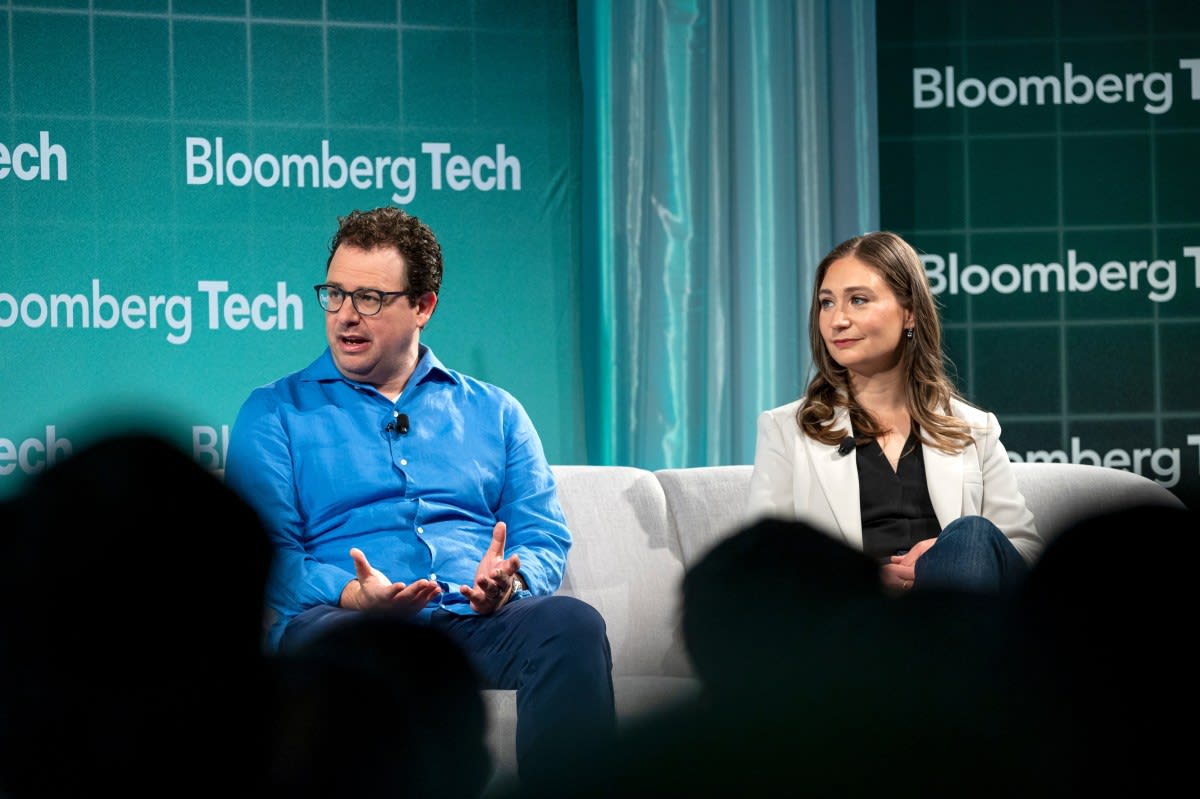
Anthropic's upcoming IPO reveals a unique governance structure that prioritizes AI safety over shareholder influence. The filing also highlights massive growth, with the company’s own Claude AI now writing over 90% of its codebase.
The Governance Paradox of Anthropic’s IPO
As Anthropic approaches its highly anticipated initial public offering (IPO) on the Nasdaq under the ticker "ANT," the company has unveiled a 335-page prospectus that highlights a radical departure from traditional corporate governance. Founded in 2021 with the mission of ensuring humanity can control AI, the firm has adopted a "baroque" structure that prioritizes its public benefit mission over the traditional influence of common shareholders. By filing with the SEC, Anthropic has made it clear that while it is entering public markets, the average investor will have little to no say in the company’s strategic trajectory, including the composition of its board.
The Public Benefit Mission vs. Market Reality
Anthropic operates as a public benefit company, a legal designation that allows it to prioritize its mission—safe AI development—above pure profit maximization. This structure is designed to insulate the company from the short-term pressures often faced by public entities. However, this creates a significant friction point for potential investors: the company’s obsession with AI safety has resulted in governance mechanisms that effectively shut out common shareholders from major decision-making processes. This mirrors the dual-class share structures seen at companies like Meta or Tesla, but with an added layer of complexity rooted in the company's unique ethical mandate.
Financial Transparency and Heavyweight Partnerships
Beyond governance, the IPO filing provides an unprecedented look into the economics of building frontier AI. The documents reveal a complex ecosystem where tech giants like Amazon and Google are not only major investors but also essential partners that provide the massive computing power required to train models like Claude. These companies simultaneously resell Anthropic’s services and compete with them, creating a paradoxical "frenemy" dynamic. The filing also notes significant risks, including potential regulatory friction with the current administration and the inherent dangers of AI systems acting autonomously.
The AI-Driven Engineering Revolution
Perhaps the most striking revelation in the S-1 filing is the extent to which Anthropic is "eating its own dog food." The company reported that in September, its own AI model, Claude, produced more than 90% of the contributions to its codebase. This shift has fundamentally redefined the role of a software engineer at the firm. Rather than writing code line-by-line, engineers now act as directors and reviewers. This transition has led to a massive increase in productivity, with daily code contributions per engineer rising over 45 times compared to 2024 levels.
Scaling and Cultural Evolution
Accompanying this technical shift is a rapid expansion of the company’s workforce, which has ballooned from approximately 940 to 5,300 employees. To manage this growth, Anthropic is explicitly betting on a "low-ego" culture that aligns with its mission-driven approach. By leveraging its own technology to scale its infrastructure, Anthropic is attempting to set a new standard for how AI labs can operate internally. As the company prepares for its November listing, it stands as a case study in how frontier labs are navigating the tension between massive scale, internal automation, and the preservation of a safety-first identity.