Moshi collapse: Antony Waste Group announces Rs 25 lakh aid for each victim’s family
Source Entity
The Indian Express
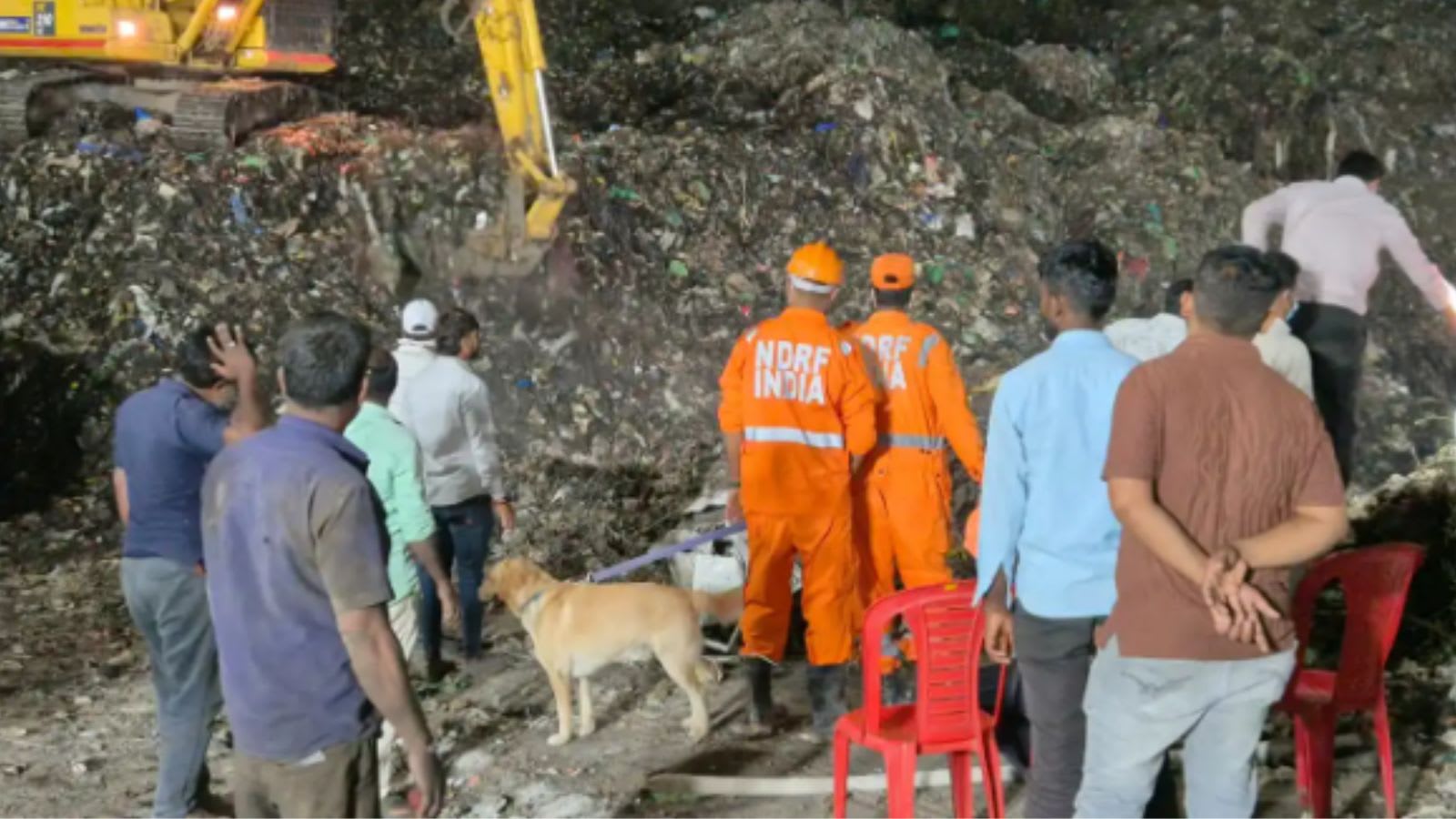
The Antony Waste Group, while expressing its “deep sorrow” over the building collapse in Moshi, on Monday said it will provide financial assistance of Rs 25 lakh to each bereaved family besides offeri...
Corporate Response to Tragedy: Analyzing the Moshi Building Collapse
Introduction to the Crisis
The recent building collapse in Moshi has sent shockwaves through the local community, highlighting the precarious nature of structural safety in rapidly developing industrial and residential zones. In the wake of this tragedy, the Antony Waste Group has stepped forward to express its "deep sorrow" and provide immediate financial relief to the affected families. This gesture comes at a critical time when the bereaved families are facing not only the emotional trauma of loss but also the sudden economic instability that follows the death of a primary breadwinner.
The Financial Commitment and Its Implications
The announcement of Rs 25 lakh in aid for each bereaved family is a significant financial commitment. From a corporate perspective, this move serves as an immediate crisis management tool designed to mitigate the suffering of the victims and signal the company's commitment to social responsibility. While such payments are often categorized as ex-gratia—meaning they are given voluntarily rather than as a legal obligation—they reflect the scale of the tragedy and the perceived responsibility of the entities involved in the vicinity or management of the site. This level of compensation is notably higher than standard statutory payments, suggesting an attempt by the Antony Waste Group to provide a substantial safety net for the victims' dependents.
Industrial Context of the Moshi Region
Moshi, located in the Pimpri-Chinchwad area of Pune, is a region characterized by a mix of industrial hubs and expanding residential pockets. The occurrence of a building collapse in such an area often points to deeper systemic issues, such as lapses in structural auditing, the use of substandard materials, or the failure to adhere to zoning and safety regulations. When a major entity like the Antony Waste Group is linked to the response, it underscores the intersection between industrial operations and urban safety. The incident raises critical questions about the maintenance of structures within industrial clusters and the oversight provided by municipal authorities to ensure that worker and resident safety is not compromised for the sake of operational efficiency.
Corporate Accountability vs. Philanthropic Aid
There is a fine line between philanthropic aid and legal liability. By framing the Rs 25 lakh as "assistance," the Antony Waste Group is positioning itself as a supportive entity. However, analysts often view these rapid financial announcements as a means to preempt more severe legal scrutiny or public backlash. In the broader context of Indian corporate law and labor safety, the transition from providing "aid" to accepting "liability" is a complex legal journey. This event will likely prompt an investigation into whether the collapse was an act of God or a result of negligence, which will determine if this financial aid is a supplement to, or a substitute for, legal reparations.
Future Trends in Industrial Safety and CSR
This event is likely to trigger a trend toward more rigorous safety audits across waste management and industrial sites in Maharashtra. As urban centers expand, the risk of structural failure in older or poorly maintained industrial buildings increases. We can expect a push for mandatory third-party structural certifications and a shift in Corporate Social Responsibility (CSR) strategies, where companies move from purely philanthropic projects to "preventative CSR"—investing in the safety and infrastructure of the communities they operate within to avoid such catastrophes.
Conclusion
The tragedy in Moshi serves as a grim reminder of the necessity for stringent building codes and regular safety inspections. While the Antony Waste Group's offer of Rs 25 lakh per family provides essential immediate relief, the long-term solution lies in systemic reform. The focus must now shift from compensation to prevention, ensuring that the structural integrity of buildings in industrial zones is prioritized to prevent future loss of life.