Apple MacBook Pro with PROLED XDR Display becomes first touchscreen Mac
Source Entity
Latest News: Todays Latest News Headlines from India & World | Hindustan Times | Hindustan Times
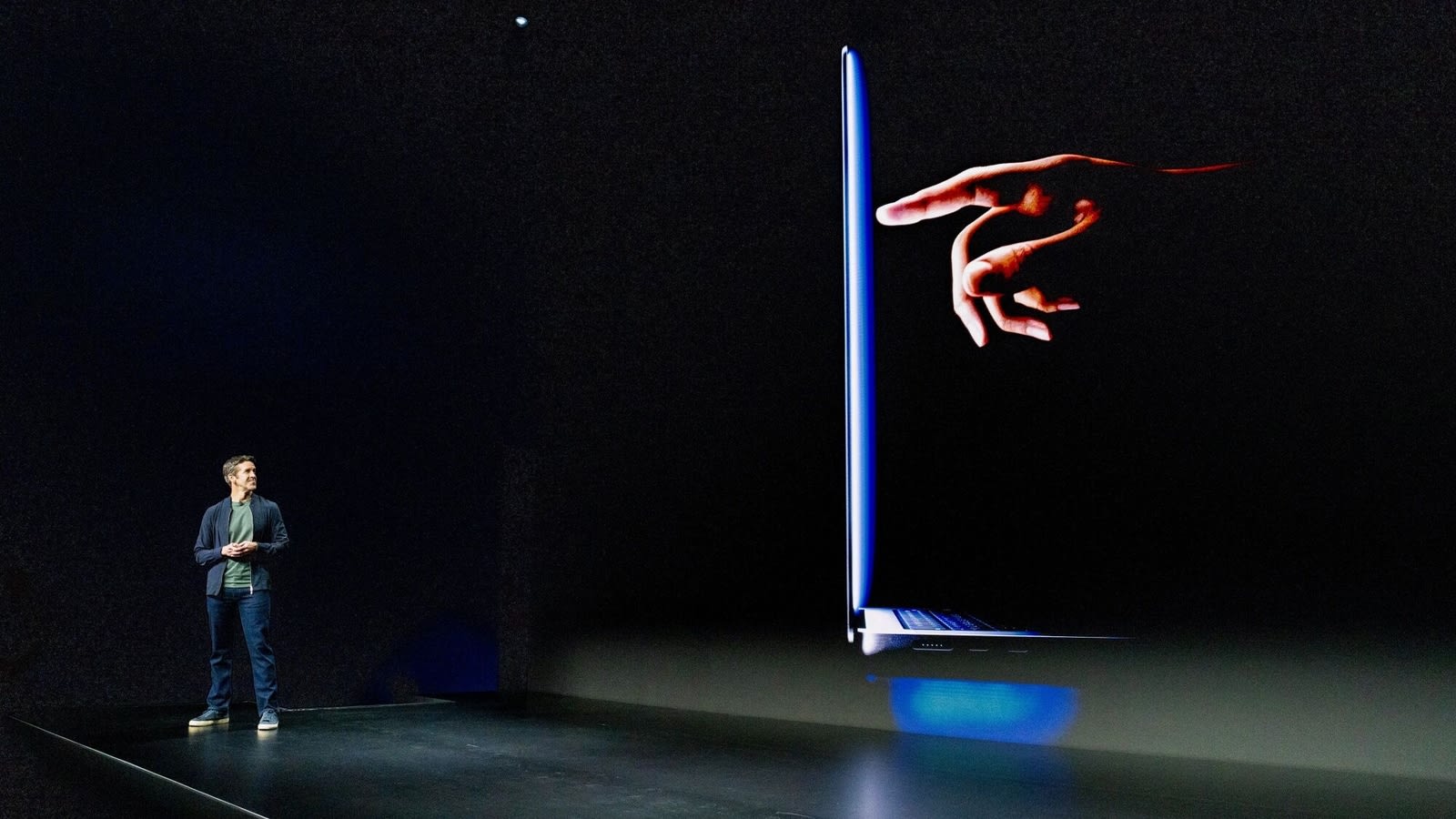
Apple has officially launched its first-ever MacBook Pro featuring a touchscreen display during the 'Pro and tell' event. This marks a significant strategic shift, reversing years of executive skepticism regarding touch interfaces on laptops. The announcement follows a busy week of updates, including new M6-powered Macs and an OLED iPad Mini.
Apple Breaks Tradition: The Arrival of the Touchscreen MacBook Pro
Apple has officially entered a new era of personal computing with the announcement of its first-ever MacBook Pro featuring a touchscreen display. Unveiled at the company's "Pro and tell" event in Los Angeles, this hardware shift marks a profound departure from Apple’s long-standing design philosophy. For years, the integration of touch into the macOS experience was dismissed by leadership, creating a clear boundary between the tablet-focused iPad and the keyboard-centric Mac.
Historical Context and Executive Skepticism
The road to this touchscreen MacBook was paved with significant public resistance from Apple’s top leadership. In 2010, Steve Jobs famously characterized touchscreen laptops as "ergonomically terrible," suggesting that vertical touch interfaces were uncomfortable for long-term use. This sentiment was echoed by CEO Tim Cook in 2012, who famously used the analogy of converging a toaster and a refrigerator to explain why Apple preferred keeping iPads and Macs as distinct, specialized tools rather than hybrid devices.
The Failure of the Touch Bar
Before achieving a full touchscreen display, Apple attempted to bridge the gap with the Touch Bar, introduced in 2016. This thin, OLED strip replaced physical function keys, offering context-sensitive controls. However, the experiment proved polarizing and ultimately unsuccessful. By 2021, Apple began reverting to physical function keys, and by 2023, the Touch Bar was entirely removed from the MacBook Pro lineup. This history underscores that the new touchscreen implementation is likely a more robust, deliberate evolution rather than a simple gimmick.
A Week of Rapid Innovation
The touchscreen MacBook launch followed an exceptionally busy week for Apple. On Monday, the company introduced an upgraded iPad Mini featuring an OLED display, followed by Tuesday’s quiet refresh of the iMac and entry-level MacBook Pro, both now powered by the M6 chip. By clearing these iterative updates out of the way before the "Pro and tell" event, Apple effectively set the stage for the touchscreen MacBook to dominate the narrative.
Broader Strategic Implications
This shift arrives in a broader context of rapid product expansion. Just weeks prior, Apple launched the HomeView smart display and the iPhone Duo, its first foldable smartphone. These moves suggest a company that is increasingly willing to experiment with form factors that were previously considered off-limits. The move toward a touchscreen Mac may signal a future where the distinction between iPadOS and macOS continues to blur, potentially changing how users interact with professional software.
Conclusion: The Future of Mac
The introduction of a touchscreen MacBook Pro represents more than just a hardware change; it is a fundamental pivot in Apple’s design roadmap. By embracing the very technology its founders once criticized, Apple is responding to a changing market landscape where user expectations for tactile interaction are higher than ever. Whether this becomes the new standard for the entire Mac lineup remains to be seen, but for now, Apple has definitively closed the chapter on its "no-touch" era.
Multiple Citing Sources
Verification Required?