Apple iPhone Duo review: Two screens, two experiences, two thousand dollars
Source Entity
Andrew Cunningham
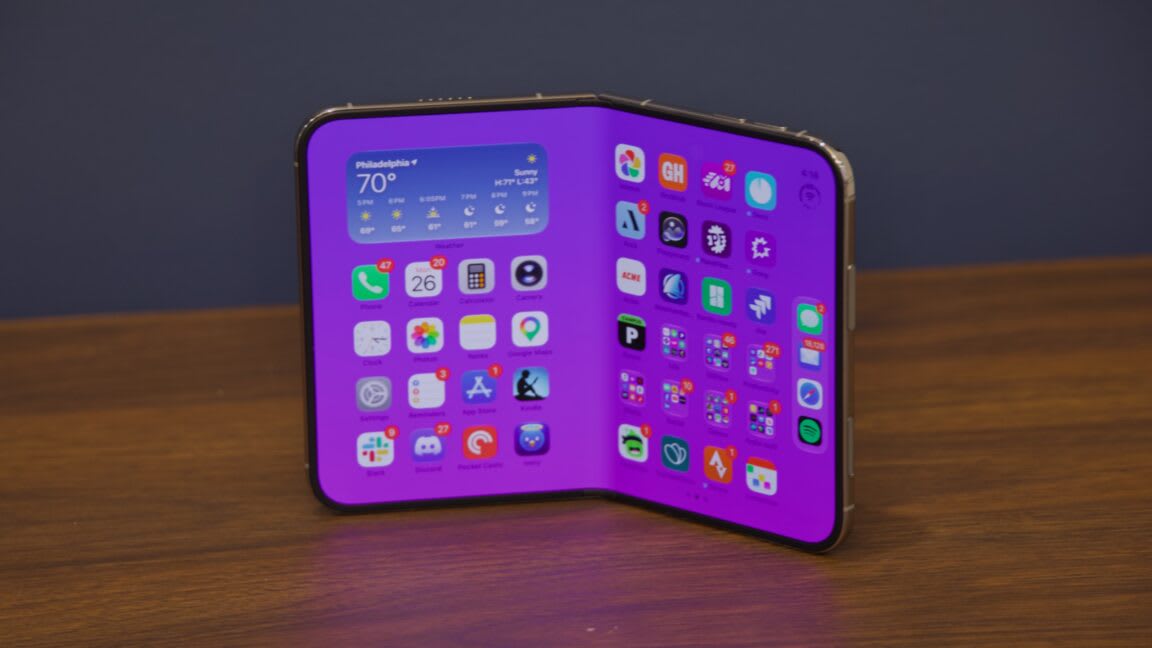
Apple's inaugural foldable smartphone, the $1,999 iPhone Duo, is facing widespread reports of internal display failures shortly after launch. Apple has acknowledged the hardware defect and is directing affected users to contact AppleCare for replacements.
The iPhone Duo: A Troubled Debut for Apple's Foldable Ambitions
Apple’s entry into the foldable smartphone market with the $1,999 iPhone Duo marks a significant, albeit turbulent, milestone for the Cupertino-based giant. Long known for a conservative approach to hardware design, Apple finally sought to bridge the gap between pocketability and expansive screen real estate. However, the initial launch has been marred by severe hardware reliability concerns that threaten to overshadow the company’s technological aspirations.
Engineering Challenges and the Hinge Controversy
Central to the controversy is the device's "precision-engineered" hinge, which was marketed as a pinnacle of durability. Contrary to these claims, early adopters have reported that the hinge mechanism appears to be actively damaging the device’s internal OLED display. Rather than providing a seamless transition between states, the mechanical stress exerted by the hinge seems to be compromising the integrity of the screen, manifesting as dead pixels and distinct, bright lines that stretch across the display within hours or even minutes of initial use.
The Anatomy of the Failure
Reports from early users depict a consistent pattern of damage: a bright line originating from the center of the display that extends toward the right and bottom edges. This type of failure—often appearing as a vertical or horizontal band of non-functional or malfunctioning pixels—indicates a fundamental structural flaw in how the display panel interacts with the folding mechanism. This validates long-standing criticisms regarding foldable technology, where the physical act of bending a display often leads to delamination or mechanical fatigue.
Apple's Official Response and Mitigation
In response to the growing outcry and the proliferation of images showing broken screens online, Apple has issued a formal statement acknowledging an "issue impacting the inner display" on a "small number" of units. By directing users to AppleCare for replacements, the company is attempting to contain the fallout through its established service infrastructure. While this provides a pathway for affected customers, the frequency of these reports suggests that the issue may be more systemic than a mere manufacturing anomaly.
Broader Implications for the Foldable Market
This incident serves as a stark reminder of the inherent risks associated with first-generation foldable hardware. While competitors have navigated these waters for years, Apple’s foray proves that even with extensive testing, the physical constraints of folding glass and OLED layers remain a significant hurdle. The industry must now grapple with whether the allure of a larger screen justifies the compromises in long-term durability and the high price point of $1,999.
Looking Ahead: The Future of Apple's Foldables
Moving forward, the success of the iPhone Duo line will depend on how quickly Apple can rectify these hardware flaws. If the company cannot stabilize the hinge-to-display interface, it risks damaging its reputation for premium quality. Future iterations will likely need a complete redesign of the internal folding mechanism to ensure that the device remains functional under normal usage conditions, rather than failing shortly after leaving the box.
Multiple Citing Sources