What’s the catch with the Apple Upgrade program?
Source Entity
Emma Roth
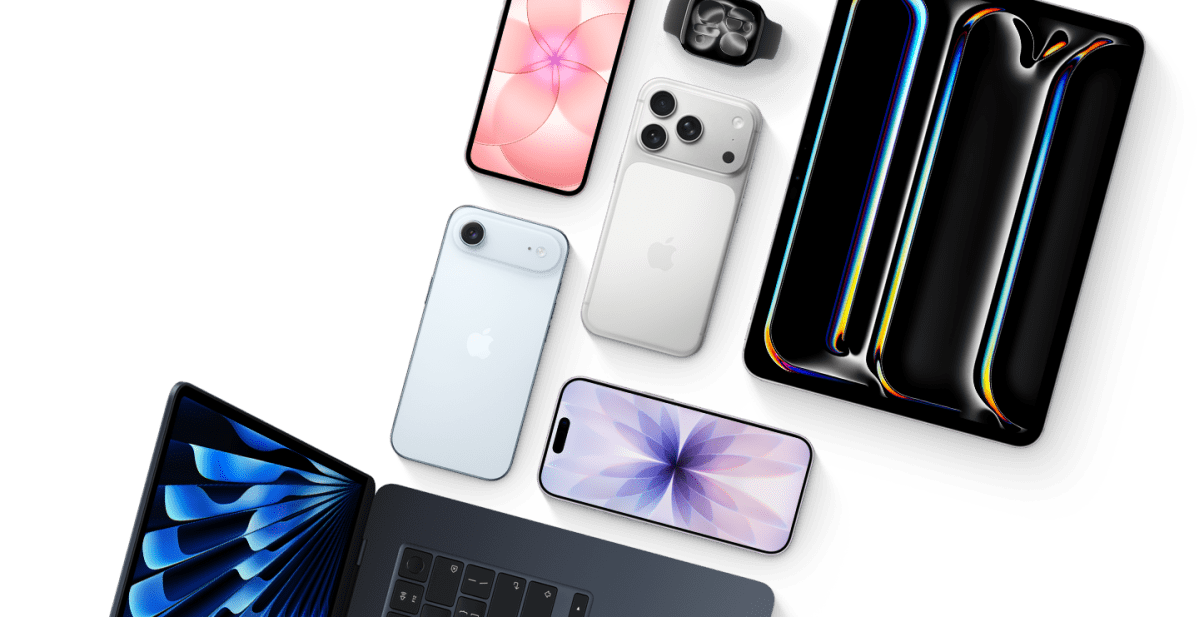
Apple has introduced a new leasing program for iPhones, iPads, Macs, and Watches that offers manageable monthly payments. While potentially cost-effective, the value depends on the user's upgrade habits and commitment to the lease terms.
Understanding the Apple Upgrade Program: A New Financial Model
Apple has officially launched its new Upgrade program, a strategic shift in how consumers acquire high-end hardware. By allowing users to lease specific models of iPhones, iPads, Macs, and Watches through structured monthly payments, Apple is moving away from the traditional model of full-price ownership toward a service-oriented subscription economy. This transition mirrors broader trends in the technology sector, where companies are increasingly focused on recurring revenue streams rather than one-time transactions.
The Economics of the Lease
The core value proposition presented by Apple is that the total cost of the lease—spanning terms of one to three years—will not exceed the original retail price of the device. In certain scenarios, the company suggests that users could end up paying hundreds of dollars less than they would through conventional purchase methods. By lowering the barrier to entry with manageable monthly installments, Apple aims to increase the adoption rate of its newest hardware iterations.
Analyzing the 'Catch'
Despite the attractive marketing, consumers are naturally skeptical regarding potential hidden costs. The "catch" is not necessarily a financial penalty, but rather a dependency on user behavior. The program is designed for individuals who desire the latest hardware on a recurring basis. For a diligent user who adheres to the lease schedule and intends to swap their device after a year or more, the program functions as intended, providing a seamless path to an upgraded experience without the sticker shock of a full retail price.
The Strategic Shift in Consumer Tech
This program reflects Apple’s broader strategy of ecosystem lock-in. By facilitating easier access to the latest Macs, iPads, and iPhones, the company ensures that its user base remains within the Apple hardware environment. This reduces the likelihood of customers switching to competitors, as the financial commitment of the lease creates a continuous cycle of ownership and upgrading that is difficult to break once initiated.
Future Trends and Consumer Outlook
Looking ahead, the success of this program will likely influence how other hardware manufacturers structure their consumer offerings. If Apple’s leasing model proves both profitable for the company and popular among users, we can expect a shift toward "Hardware-as-a-Service" becoming the industry standard. As long as users remain cognizant of their long-term financial obligations and their actual need for annual upgrades, the program serves as a viable, and potentially budget-friendly, alternative to traditional financing.