Actually, Starliner might fly into space this year
Source Entity
Eric Berger
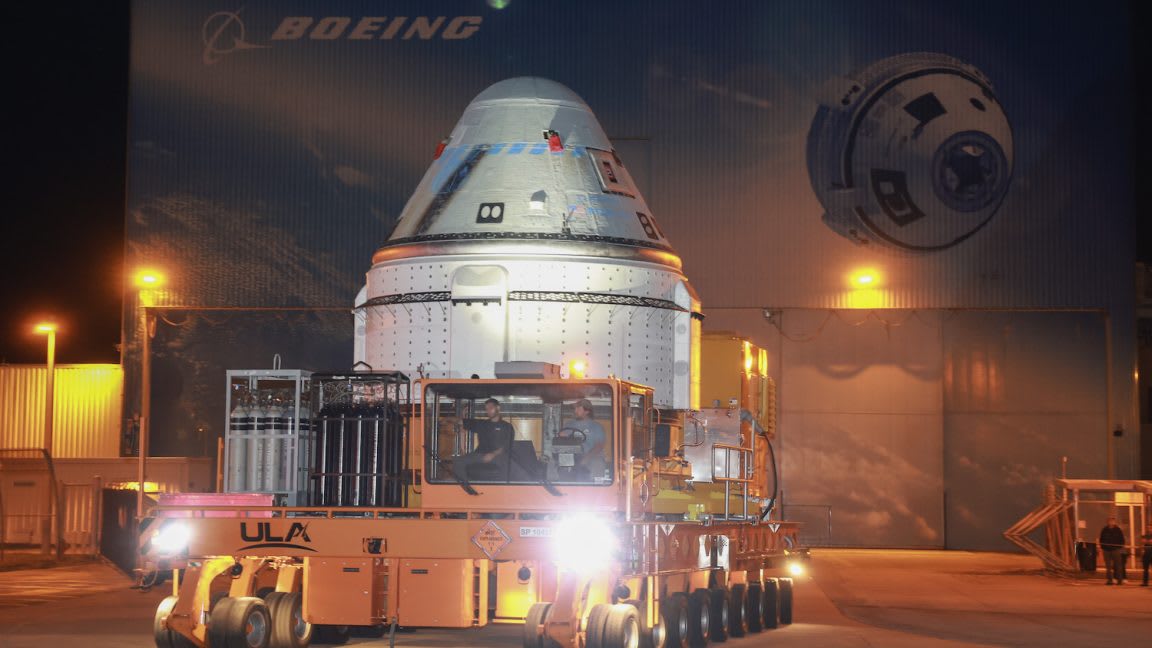
Boeing CEO Kelly Ortberg expressed optimism regarding the Starliner spacecraft's return to flight status this year. This follows a significant 'Type A' mishap designation by NASA that previously halted all test missions.
The Path Forward for Boeing’s Starliner
A Shift in Momentum
Boeing’s Starliner program, which has faced significant scrutiny over the past year, appears to be gaining renewed operational momentum. In a recent quarterly earnings call, Boeing CEO Kelly Ortberg indicated that the company is feeling positive about the spacecraft's potential to return to flight status before the end of the calendar year. This marks a notable shift in tone from the cautious, indefinite outlook that characterized the program following its recent technical setbacks.
The Shadow of the 'Type A' Mishap
To understand the gravity of the current situation, one must look back to February 2024, when NASA officially classified the Starliner crewed flight as a “Type A” mishap. In the aerospace industry, such a designation is not merely a label; it represents a serious failure that necessitates a comprehensive, top-down investigation. This classification brought the program to a standstill, forcing Boeing to halt all subsequent missions, including critical cargo resupply flights to the International Space Station (ISS), until the root causes of the failure were identified and remediated.
Remediation and Regulatory Oversight
Under the leadership of NASA officials, including Administrator Jared Isaacman, the agency prioritized a rigorous assessment of the risks associated with the Starliner architecture. The collaborative effort between NASA and Boeing aimed to move beyond superficial fixes, requiring a fundamental understanding of the spacecraft's systemic vulnerabilities. For several months, this process remained opaque, with officials refusing to commit to a firm launch date, reflecting the high stakes involved in human spaceflight safety.
Corporate Strategy and Future Trends
CEO Kelly Ortberg’s recent comments suggest that these intensive remediation efforts are now “going quite well.” For Boeing, the successful return of Starliner is not just a technical requirement but a critical corporate milestone. As the company navigates broader financial and structural challenges, the ability to deliver on its commitments to NASA is essential for maintaining its status as a primary partner in the agency’s Commercial Crew Program.
Implications for the ISS
Looking ahead, the successful flight of the Starliner is vital for the continued operation of the International Space Station. The ISS relies on a diversified fleet of vehicles to ensure consistent crew rotation and cargo delivery. Should Boeing successfully resume its test flights, it would restore redundancy to the American spaceflight infrastructure, reducing reliance on other launch providers and ensuring that the ISS remains fully supported through its remaining operational life.
Conclusion
While the path remains complex, the current trajectory suggests that the rigorous safety protocols implemented after the “Type A” mishap have provided a necessary framework for recovery. If Boeing continues to meet the stringent safety benchmarks set by NASA, a 2024 flight would serve as a major turning point for the Starliner program, moving it from a period of investigation back toward active service in low Earth orbit.