Sam Altman to meet with White House's Wiles this week ahead of AI framework deadline
Source Entity
US Top News and Analysis
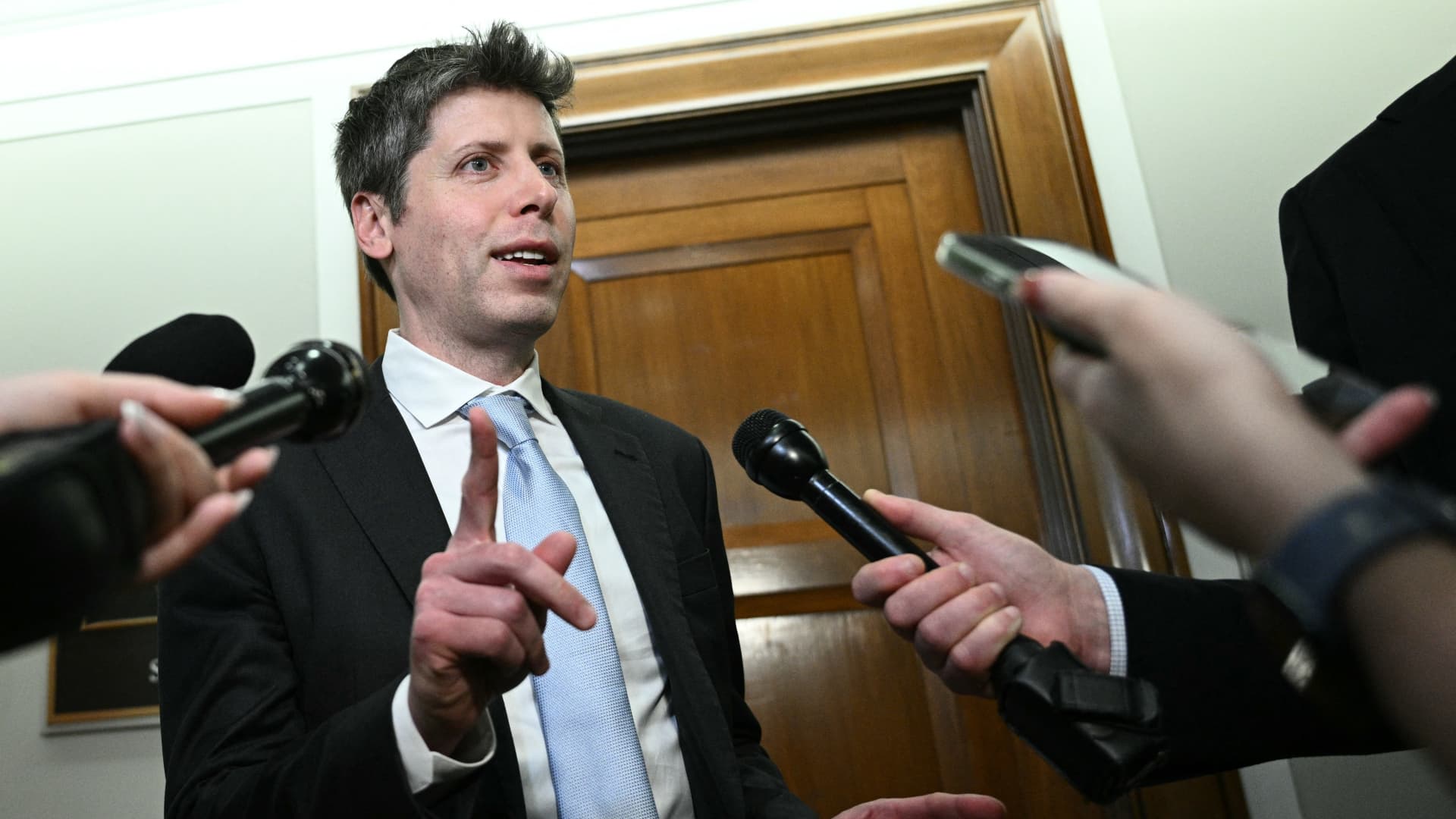
OpenAI CEO Sam Altman is engaging with senior Trump administration officials, including Chief of Staff Susie Wiles, to discuss the implementation of a new AI policy framework. These meetings aim to address upcoming model development, cybersecurity, and U.S. competitiveness in the global artificial intelligence landscape.
The Intersection of AI Innovation and Federal Oversight
OpenAI CEO Sam Altman’s high-profile visit to Washington, D.C., this week marks a pivotal moment in the relationship between Silicon Valley’s leading artificial intelligence developers and the current administration. By engaging directly with White House Chief of Staff Susie Wiles and a diverse array of lawmakers and economists, Altman is positioning OpenAI at the center of the regulatory conversation. This dialogue centers on the implementation of President Donald Trump’s executive order on artificial intelligence, a directive that has fundamentally shifted the landscape of tech policy.
Understanding the Regulatory Framework
The Trump administration has signaled a more assertive posture regarding AI governance since the signing of the executive order in June. By requesting that AI companies adhere to voluntary compliance standards, the administration is attempting to balance the need for rapid technological advancement with essential safety protocols. Altman’s acknowledgment that he has already reviewed the proposed framework suggests that the transition from draft policy to actionable regulation is accelerating, requiring immediate input from industry leaders to ensure the guidelines remain technically feasible and economically sound.
Strategic Engagements and Policy Priorities
Beyond the headline meeting with Susie Wiles, Altman’s agenda reflects a broad strategic concern for the future of the industry. The discussions are reportedly focused on three critical pillars: the development of OpenAI’s upcoming models, the enhancement of cybersecurity infrastructures, and the broader U.S. position in the global AI race. These topics are not merely corporate interests; they are matters of national security and economic strategy. As the U.S. competes with international rivals for technological supremacy, the role of federal policy in supporting—or constraining—innovation is being weighed heavily.
The Role of Advisory Influence
Susie Wiles, serving as one of President Trump’s closest advisors, occupies a central role in shaping the administration’s AI trajectory. Her involvement underscores the importance the White House places on this sector. By facilitating these high-level meetings, the administration is signaling that it views AI not just as a business issue, but as a core component of its domestic and international policy agenda. This collaborative approach suggests a preference for a structured, iterative regulatory environment over a hands-off or overly restrictive one.
Future Trends and Global Implications
The outcome of these meetings will likely serve as a bellwether for future AI regulation in the United States. If the administration and tech leaders can successfully align on a voluntary framework that addresses safety without stifling development, it may set a global standard for AI governance. Conversely, any friction between the administration’s expectations and the industry's capabilities could lead to more stringent, mandatory legislation. Ultimately, the industry must prepare for a future where federal oversight is a permanent, active partner in the AI development lifecycle.