SpaceX, Blue Origin could get quicker launch approval under FAA move to waive environmental rules
Source Entity
US Top News and Analysis
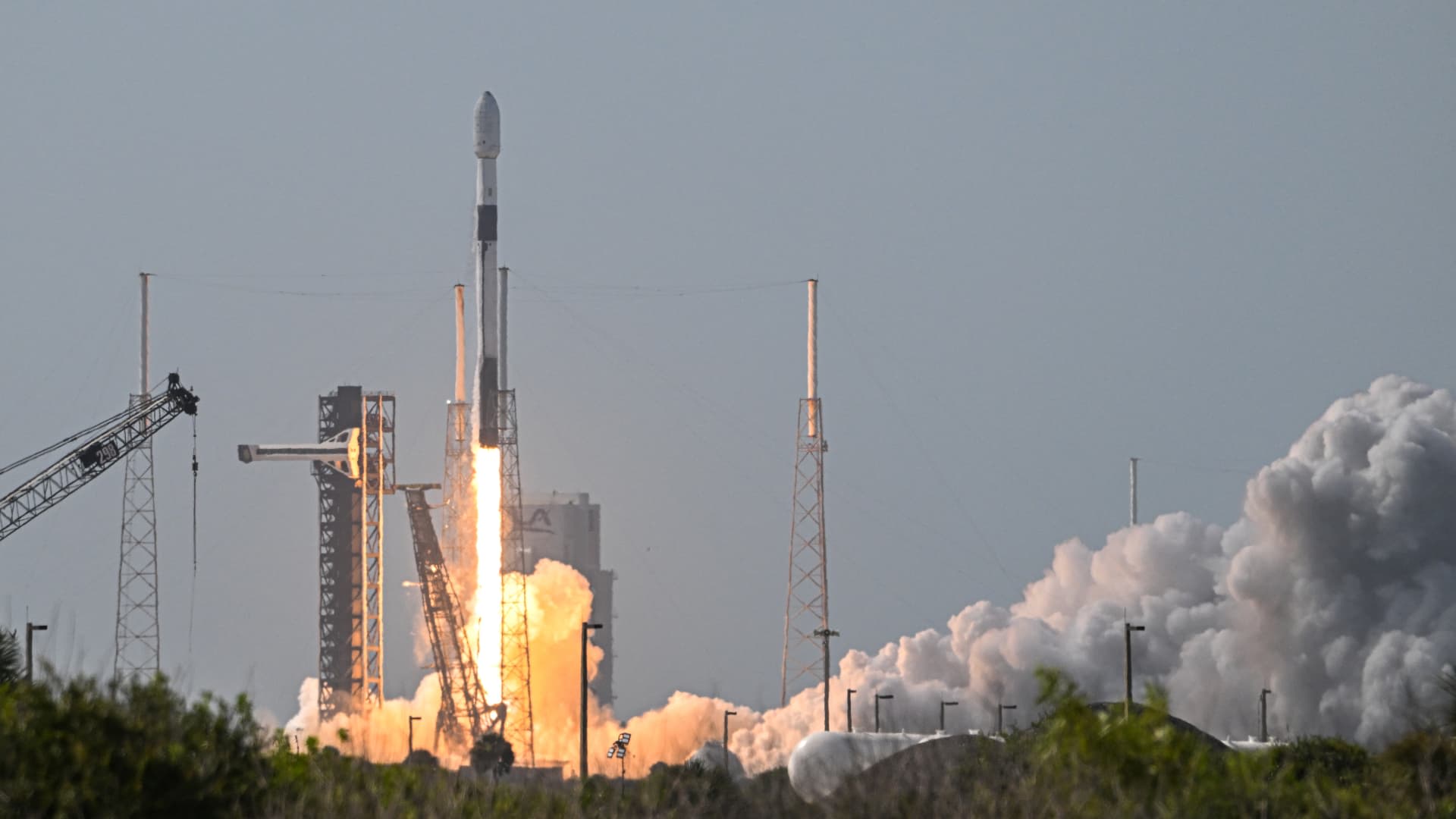
The Trump administration is proposing to waive key environmental regulations to accelerate commercial space launch approvals. This move aims to bolster companies like SpaceX and Blue Origin by removing bureaucratic hurdles.
Accelerating the New Space Age: FAA Regulatory Reform
The Trump administration has initiated a significant shift in federal policy by proposing the waiver of various environmental laws to expedite the approval process for commercial rocket launches. Transportation Secretary Sean Duffy emphasized that removing "government red tape" is essential for the United States to maintain its competitive edge in the global space sector, framing the initiative as a modern-day necessity to secure American leadership in aerospace innovation.
Impact on Industry Giants
This regulatory overhaul is poised to provide a substantial operational advantage to industry leaders such as Elon Musk’s SpaceX and Jeff Bezos’s Blue Origin. By streamlining the licensing process, these companies could potentially increase their launch cadence, allowing for more frequent orbital deployments and testing cycles. For firms heavily invested in rapid reusability and high-frequency launch schedules, the reduction of procedural delays represents a major reduction in overhead and time-to-market costs.
The Scope of Regulatory Waivers
The proposal targets a broad spectrum of federal oversight, specifically aiming to waive requirements under 13 distinct statutes. Included in this list are the National Environmental Policy Act (NEPA), the Endangered Species Act, the Clean Air and Clean Water Acts, the National Historic Preservation Act, and the Marine Mammal Protection Act. By bypassing these frameworks, the FAA seeks to remove the standard environmental assessment hurdles that have historically slowed the approval of launch sites and flight paths.
Balancing Innovation and Oversight
While the administration argues that these regulations are "unnecessary," the move has sparked a debate regarding the balance between rapid technological advancement and environmental stewardship. Historically, these laws were designed to ensure that industrial activities do not cause irreparable damage to sensitive ecosystems or protected species. The FAA’s proposed rule explicitly notes that requirements necessary to protect public health and safety remain a priority, but the removal of environmental compliance checks signifies a shift in federal priorities toward prioritizing commercial speed over traditional conservation protocols.
Future Trends in Space Policy
Looking ahead, this proposal suggests a broader trend of deregulation in the commercial space flight sector. If implemented, the strategy could set a precedent for how the U.S. government handles emerging high-tech industries, prioritizing domestic economic growth and geopolitical competition over established environmental review processes. The success of this policy will likely be measured by the increase in successful launch frequency, though it may also invite legal challenges from environmental advocacy groups concerned about the long-term impacts of increased rocket activity on protected lands and waterways.
Conclusion
In summary, the FAA’s move to waive environmental regulations for commercial space launches marks a pivotal moment in American space policy. By removing significant administrative barriers, the government is signaling its intent to foster an environment where private aerospace companies can innovate without the constraints of traditional environmental impact assessments. While this may accelerate the timeline for ambitious space projects, it simultaneously alters the regulatory landscape regarding environmental accountability.