Two Army personnel injured in landmine blast in J&K's Baramulla
Source Entity
TOI NEWS DESK
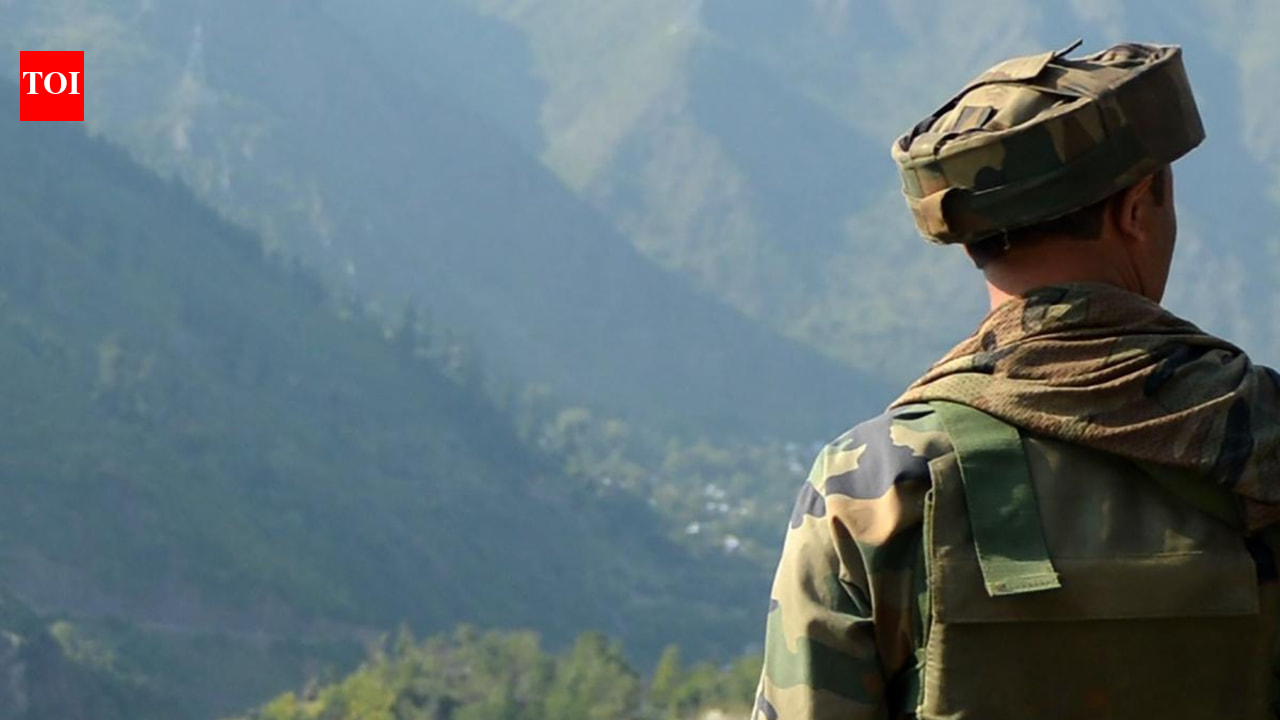
Two Indian Army soldiers were injured in an accidental landmine blast in the Uri sector of Jammu and Kashmir. Both personnel were transported to a military hospital and are currently in stable condition.
Analysis of the Accidental Landmine Incident in Uri
The Incident Overview
On Tuesday, a security incident occurred in the Kamalkote area of the Uri sector in Jammu and Kashmir, resulting in injuries to two Indian Army personnel. The soldiers were reportedly involved in an accidental landmine blast while operating near the Line of Control (LoC). Following the explosion, the injured jawans were immediately stabilized and evacuated to the Army Base Hospital in Badamibagh for specialized medical care.
Contextualizing the Border Environment
Operating in the Uri sector presents significant logistical and safety challenges for security forces. The terrain is rugged, mountainous, and heavily fortified due to its proximity to the Line of Control. In such volatile regions, landmines and other defensive explosive devices are strategically deployed as part of broader border management protocols to prevent unauthorized crossings and ensure national security. However, the presence of these devices, combined with the harsh environmental conditions of the Himalayas, creates a persistent risk of accidental detonation during routine patrols or maintenance operations.
Medical Response and Personnel Status
According to official reports, the rapid response mechanism of the Indian Army ensured that the injured personnel received immediate medical attention. Upon their arrival at the Badamibagh Army Base Hospital, medical staff evaluated their conditions and confirmed that both soldiers are currently stable. The swiftness of the evacuation underscores the efficacy of the medical support infrastructure established by the military in the Kashmir valley, which is designed specifically to handle trauma and combat-related injuries in remote areas.
Broader Security Implications
This incident serves as a reminder of the inherent hazards faced by security personnel stationed in high-altitude conflict zones. While the blast has been classified as accidental rather than an act of hostility, it highlights the constant state of alertness required by the Army. The maintenance of border defenses is a critical, albeit dangerous, component of the security architecture in Jammu and Kashmir. Such events often lead to a review of safety protocols and operational procedures to mitigate the risk of similar incidents occurring in the future.
Future Trends and Safety Protocols
Moving forward, the Indian Army is likely to conduct an internal inquiry to determine the specific circumstances surrounding the accidental detonation. Historically, the military has utilized such incidents to refine training, enhance protective equipment, and improve the mapping and marking of minefields. As border management continues to evolve, the integration of advanced surveillance and non-lethal deterrents remains a priority to reduce the reliance on traditional explosive devices, thereby safeguarding personnel who operate in these challenging environments.
Conclusion
In summary, while the incident in the Uri sector resulted in injuries, the situation remains under control with no threat to the lives of the soldiers involved. The event reflects the daily risks inherent in securing the Line of Control. By prioritizing medical readiness and operational safety, the Army continues to maintain its defensive posture while ensuring the well-being of its personnel in one of the world's most sensitive border regions.
Multiple Citing Sources